Blog Feed

Uterine Fibroids

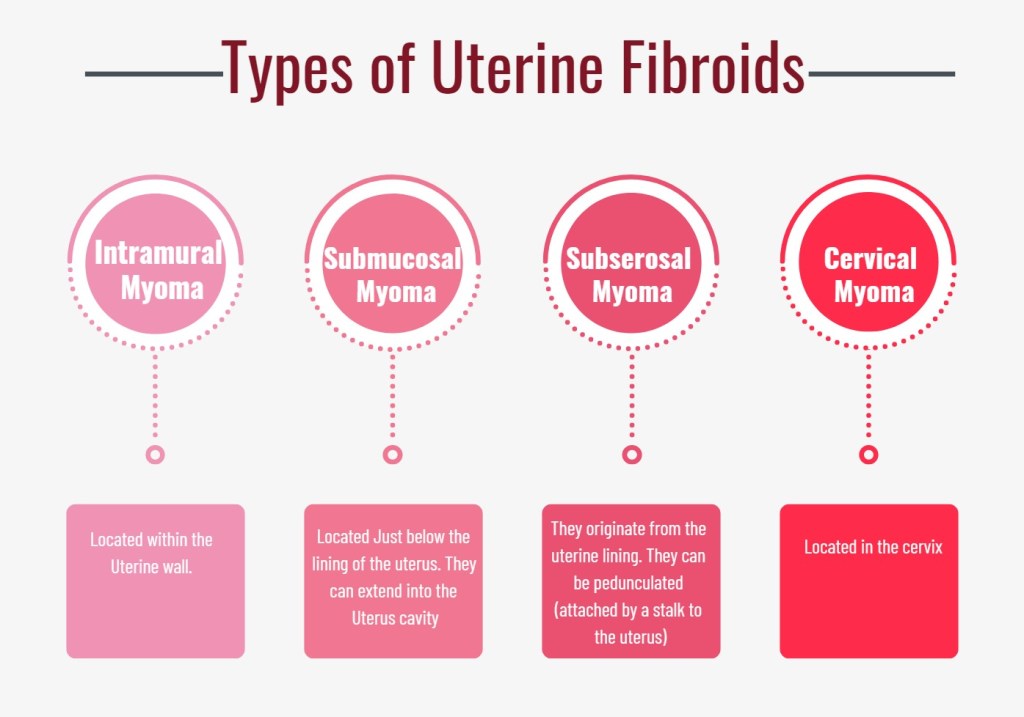
Uterine Fibroids are the most common benign tumors in reproductive age females. They are not cancerous and can present with or without symptoms. Most of the fibroids are found incidentally on imaging, however 30- 40% of the females with fibroids can be symptomatic.
Risk factors associated with Uterine Fibroid

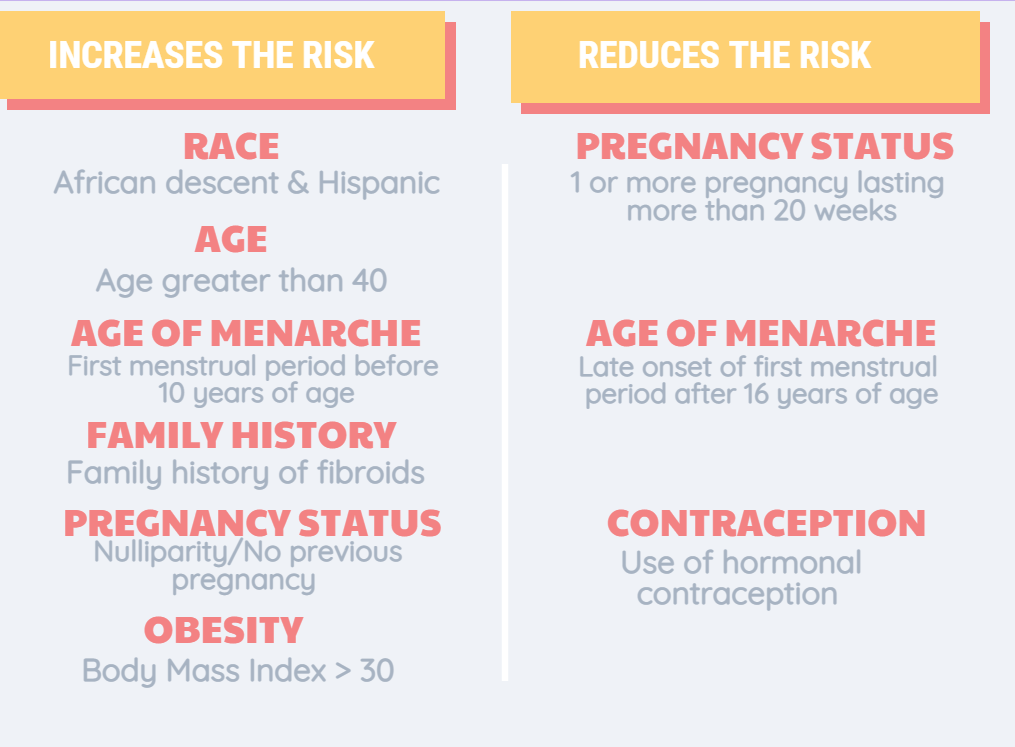
Multiple studies have been performed in the past and have identified certain risk factors to be associated with developing fibroids. African Americans were found to have three times the risk and Hispanic women were found to have two times the risk of developing Uterine fibroids compared to Caucasian women. The risk increases with age in women are in reproductive age and decreases after menopause. Having a family history of Uterine Fibroids increases the likelihood of a women developing it. Studies have shown that early onset of first menstrual period increases the risk of developing fibroids whereas late onset of first menstrual period reduces the risk. Having one or more pregnancy that lasted more than 20 weeks is considered to be a protective factor. similarly being on hormonal contraception protects and reduces the risk of uterine fibroids by managing the hormone production. Obesity can also increase the risk by increasing the estrogen hormone production, which contributes to increase in fibroid size.
Symptoms and presentation

Many women with fibroids can be asymptomatic. However 30 – 40 % of the women with uterine fibroids can present with symptoms. It is important to recognize the symptoms and seek medical help to prevent the fibroids from growing and causing complications.

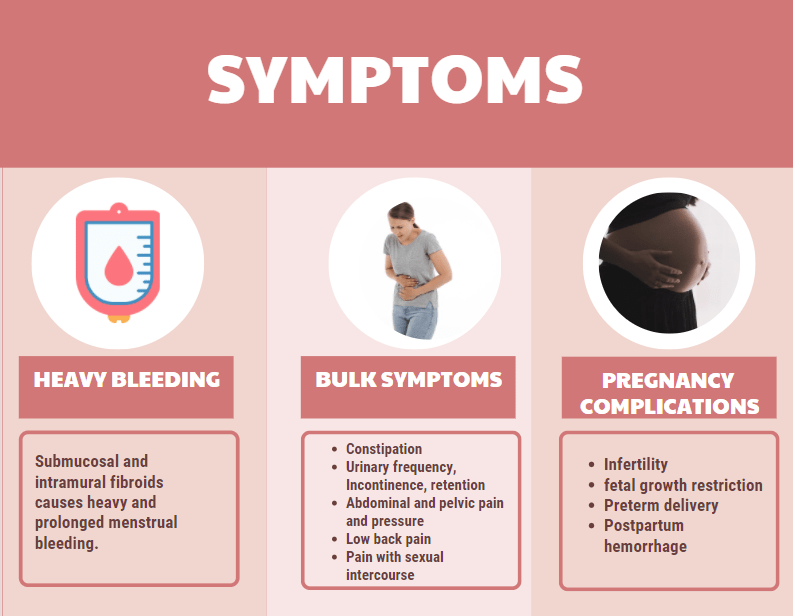
The most common symptoms is heavy or prolonged menstrual bleeding. Heavy menstrual bleeding can also contribute to anemia, fatigue and poor quality of life. The location and type of fibroid determines the quantity of bleeding. Submucosal fibroid that extends into the uterus and intramural fibroid contributes to the most bleeding. Subserosal fibroid do not cause heavy bleeding.

Fibromatous uterus is enlarged and can press on other organs causing other complications such as urinary and bowel abnormalities, low back pain, abdominal and pelvic pressure, painful sexual intercourse. When the enlarged uterus compresses on the bladder it can cause increase frequency of urination, urinary incontinence (leaking of urine) and urinary retention (unable to urinate). Constipation is a very common symptom due to the bowels being compressed. Due to the enlarged uterus and weight of the fibroid and women can feel pressure on abdominal and pelvic area and low back pain. Some fibroids depending on the location can also cause pain with deep sexual intercourse. One can also experience an immediate or acute onset of severe pain due to torsion (twisting) of the pedunculated fibroid that is attached by a stalk to the uterus or from breaking down of the fibroid tissue

Many asymptomatic women were found to have fibroids while being evaluated for infertility. Submucosal or intramural fibroids causes irregularities in uterine cavity and causes difficulty to conceive. Uterine fibroids can also cause complications in pregnancy and during delivery and therefore needs thorough evaluation and additional close care during pregnancy.
Management & Treatment

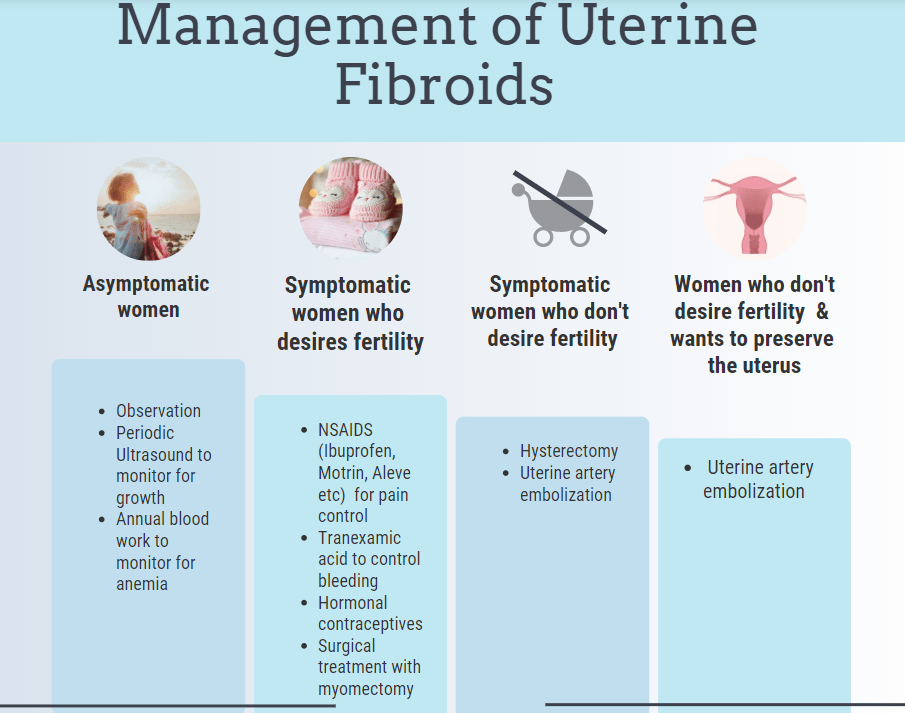
For women who are not symptomatic wait and watch approach is safe. Periodic ultrasounds to monitor growth of fibroids and blood work to evaluate for anemia is sufficient in those patients as the fibroids can grow and regress with time.

Treatment options vary based on the size and location of the fibroids, symptoms and desire of future pregnancy. There are medications to simply treat the symptoms such as heavy bleeding and pelvic pain. Tranexamic acid reduces the bleeding without shrinking the fibroids. For pelvic pain NSAIDS such as Ibuprofen, Aleve, Naproxen, Motrin can be helpful. On the other hand there are hormonal contraception medications and devices (Intrauterine device IUD such as Mirena) that can treat the fibroids by shrinking them. Surgical procedures such as laparoscopic or open abdominal myomectomy is used to remove the fibroids and to preserve fertility. Laparoscopic myomectomy is least invasive robotic surgery and is a good option with few risk of complications for few small fibroids. Large , multiple fibroids and submucosal fibroids may need open abdominal myomectomy in which a large abdominal incision is made to open the abdomen to access the uterus. Hysterectomy and uterine artery embolization is a good option for women who do not desire future pregnancy. Uterine artery embolization is suitable for women who do not desire future pregnancy but wants to keep the uterus. It works by discontinuing the blood supply to the fibroid which results in regression of the fibroid.
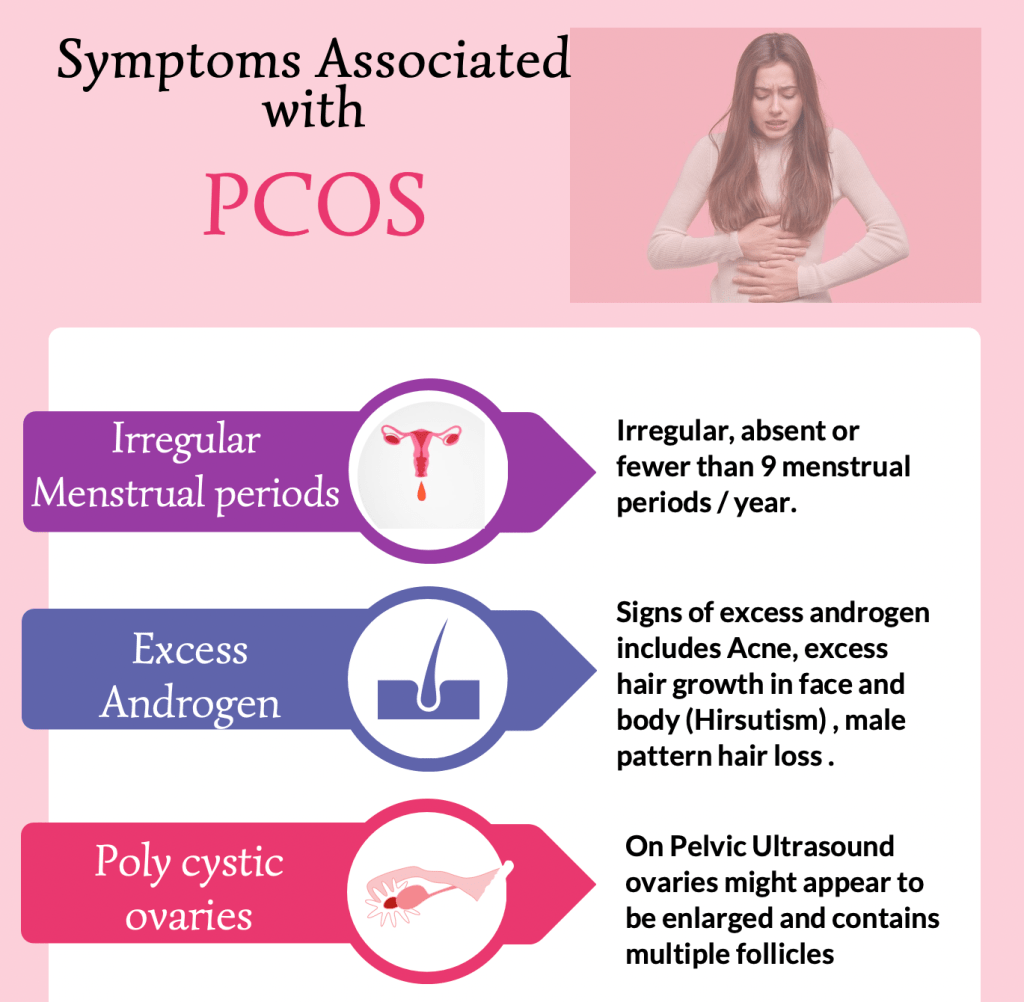
Polycystic Ovary Syndrome (PCOS)

PCOS affects 5- 10% of women in the reproductive age. The exact cause of PCOS is not known, however several factors together contribute to the complications of PCOS.These contributing factors are Insulin resistance , Increased hormones known as androgens and irregular menstrual cycle.

Symptoms

Patients may present with some or all of the following symptoms.

  • Irregular menstrual cycle
  • Acne
  • Excess hair growth in face, chest, abdomen or inner thighs
  • Obesity (Although 20% of women with PCOS are not obese)
  • Male pattern hairloss
  • Patches of thick, velvet like dark skin (also known as Acanthosis Nigricans)

Getting a diagnosis of PCOS

Your doctor can diagnose you with PCOS when you have 2 or more of the following.

  • Irregular menstrual periods (infrequent or absent menstrual period)
  • Hirsutism (Increased hair growth in face, chest, abdomen or inner thighs) and / or increase blood testosterone levels
  • Polycystic ovaries (fluid filled spaces in the ovary) in ultrasound

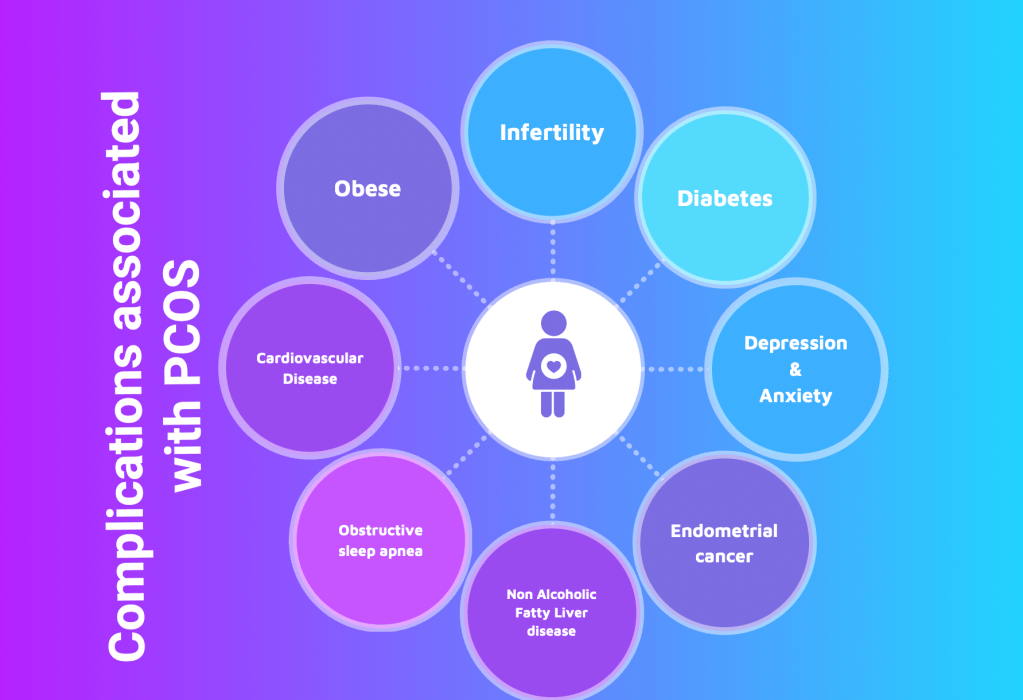
Complications related to PCOS

  • Diabetes Mellitus
  • Obesity
  • Sleep Apnea
  • Cardiovascular disease
  • Depression
  • Endometrial Cancer
  • Infertility & miscarriage

Management and Treatment options

Weight loss

Weight loss is the first step of treating PCOS. Losing weight can restore ovulation cycles and improve or reduce the risk of metabolic complications. Changing diet by reducing Carbohyrdate and sugar rich food and incorporating exercise as part of the lifestyle can help with the weight loss.

Contraception

Combined oral contraception (birth control) can help with regulating the menstrual cycles and to help with the androgenic effects such as acne and excess hair growth. It can also give endometrial protection and reduce the risk of endometrial hyperplasia and cancer.

DO You have enough fiber in your diet?

Recommended daily fiber intake:

  • Men: Minimum 38 grams / day.
  • Women: Minimum 25 grams / day

Benefits of Fiber intake

  • Improves constipation and hemorrhoids
  • Lowers cholesterol
  • Improves blood sugar by increasing insulin sensitivity
  • Helps with weight loss
  • Decreases food craving and Increase satiety
  • Decreases risk of developing diabetes
  • Decreases risk of developing Colon cancer
  • Decreases Coronary Artery Disease (Heart Attack)
  • Decreases the risk of stroke

Types of Fiber

Soluble FiberInsoluble Fiber
Soluble fiber absorbs water.

Soluble fiber also improves cholesterol
It stablizes blood sugar
Helps with weight loss
Decreases cardiovascular disease
Does not dissolve in water.

Improves constipation
Decreases the risk of developing colon cancer
Decreases the risk of diverticular disease
Decreases the risk of hemorrhoids
Both soluble and insoluble fiber is healthy and needed

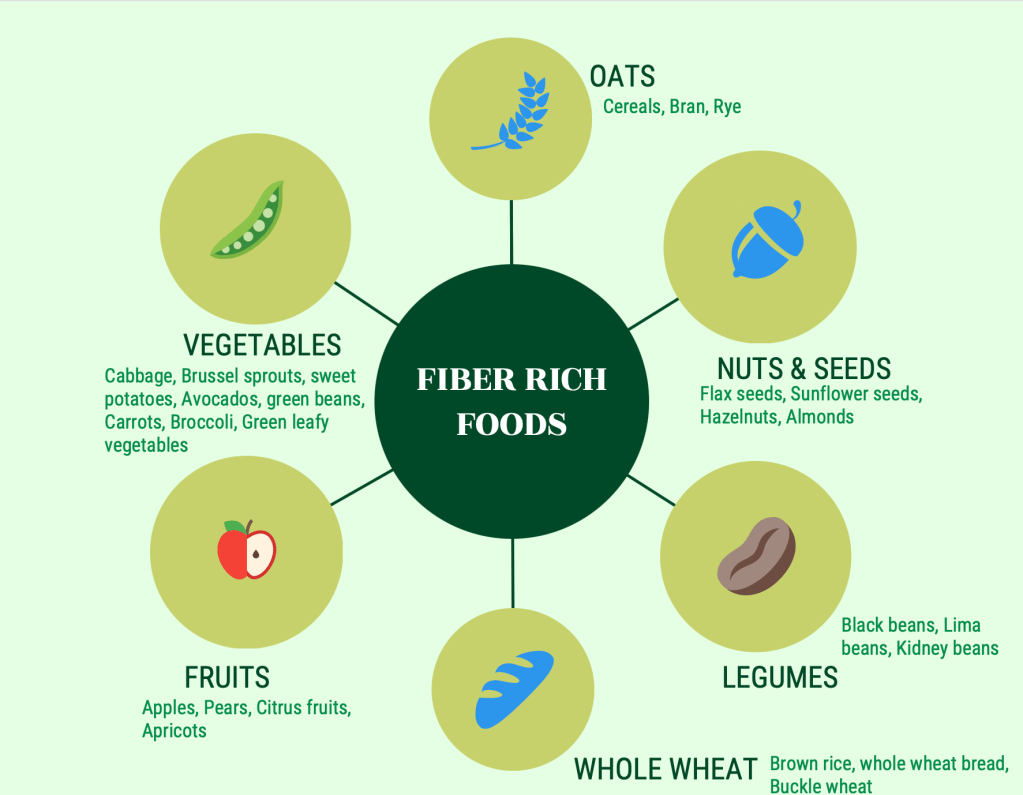
Fiber rich foods

THERE IS NO FIBER IN ANIMAL PRODUCTS

Soluble FiberInsoluble Fiber
Oats
Nuts
Flax seeds, Sunflower seeds
Apples, Pears, Apricots
Berries
Citrus foods
Black beans/ Lima beans/ Kidney beans
Brussel sprouts, Avocados, Sweet potatoes, Broccoli, Carrots
Figs
Brown rice
Rye
Buckwheat
Bran
Whole wheat flour
Cauliflower, green beans, potatoes, green peas, dark leafy greens
Amaranth
Cooked Prunes

Tips to increase fiber intake

  • Include at least 5 servings of fruits and vegetables in your daily diet
  • Eat whole fruit instead of drinking juices
  • Replace sugary deserts with fruits
  • Use Whole wheat instead of refined white flour when cooking, baking or buying products made with flour
  • Include at least 1 serving of whole grain in every meal
  • When choosing cereals, choose the one with at least 5 g of fiber
  • Replace meat with legumes at least 2-3 times a week.
  • Add nuts to the salad or cereal
  • Replace brown rice instead of white rice

Add fiber to your diet slowly , Increasing fiber intake rapidly can cause stomach discomfort such as bloating , abdominal cramping, excess gas.

CELIAC DISEASE

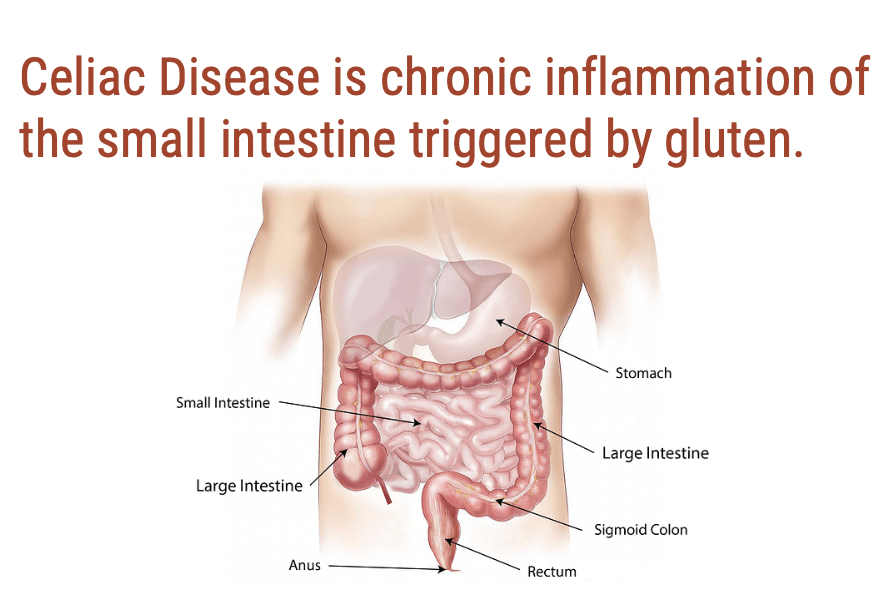
Celiac Disease is an autoimmune disorder of the small intestine that causes digestive problems. It is triggered by consumption of gluten containing products. A person can develop Celiac Disease at any age. It affects roughly 1% of US population. Family history of Celiac disease in first and second degree relatives as well as having other autoimmune disorders such as Type 1 Diabetes, autoimmune thyroid disease increases the risk of developing Celiac disease.

Symptoms of celiac disease

Celiac disease is often undiagnosed or diagnosed later in life due to the nature of vague symptoms.

  • Unintentional weight loss
  • Diarrhea
  • Fatty stool
  • Flatulence
  • Abdominal pain
  • Feeling tired or weak

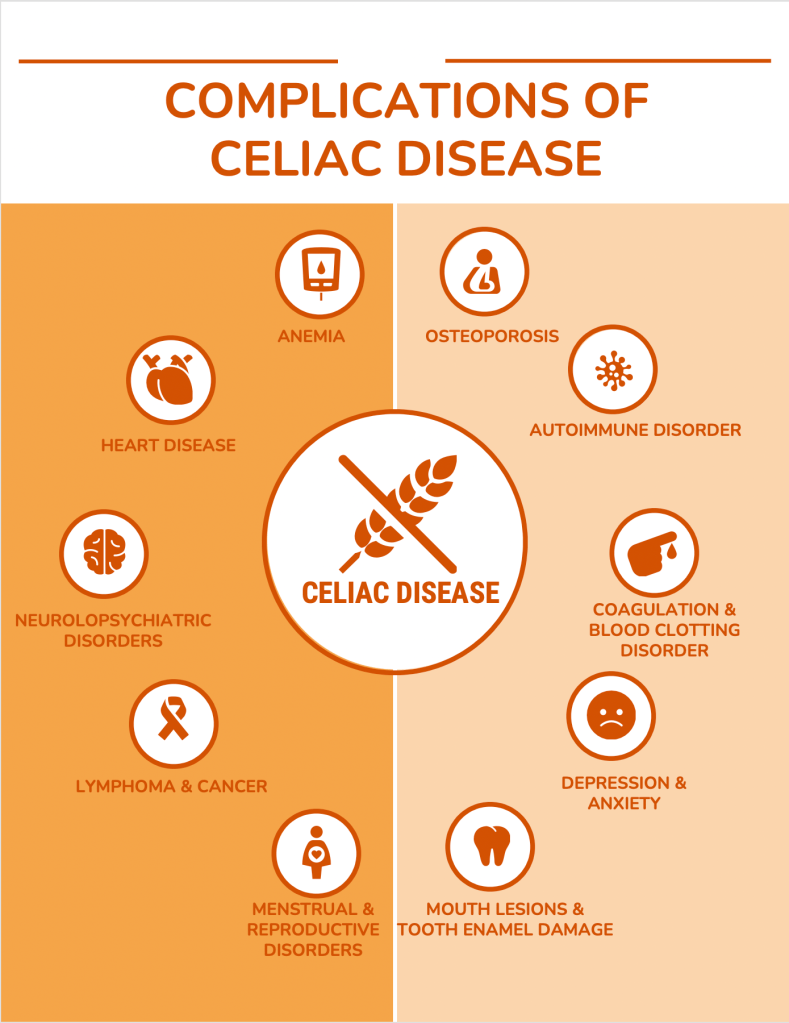
complications of celiac disease

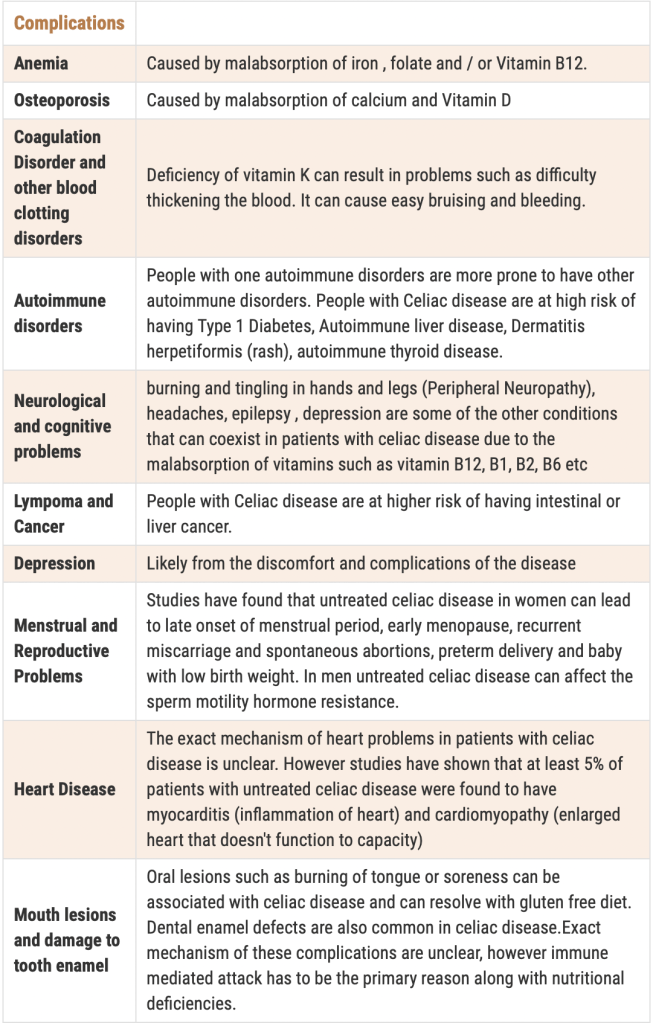
Untreated celiac disease causes malabsorption of nutrients and therefore can contribute to many other comorbidities.

management of celiac disease

Glutten containing food is the trigger for Celiac disease and its complications. Avoiding Gluten in diet for life long can keep the disease under control and reduce the risks of other comorbidities. General American diet contains a ton of Gluten and therefore it takes serious commitment and lifestyle changes.

  • Avoid any foods containing Rye, Barley, Oats, Malt, Yeast and Wheat
  • Distilled alcoholic beverages and wine are safe to drink. However beers, ales and beverages that are not distilled should be avoided.
  • Many patients with celiac disease can also have lactose intolerance. Monitoring for worsening symptoms with dairy products can help avoid them and control the symptoms.

Following a gluten free diet is not easy. It needs a lot of attention and commitment. Transitioning from a regular diet to gluten free diet can take some time. However following a gluten free diet by a person with Celiac disease can see great improvement in their health. Many of us are not aware of the hidden gluten in some foods. It is important to check the ingredients when purchasing any food, especially the processed food.

Some food items that contain gluten and are often forgotten
Processed food
Broths, Soups, seasoning and sauces
Cereals
Burgers, meatloafs, sausages, deli meat, imitation meat
Flavored coffee and Tea
Speciality cheeses
Oats may be contaminated with wheat
frozen food

Many of the complications from celiac disease are due to nutritional deficiencies. Therefore it is important to replenish the nutrients that are lacking in these patients. Testing and treating Vitamin K, B1, B12, B6, Magnesium, Selenium, Iron , folic acid, since are necessary.

Dysmenorrhea (Menstrual Abnormality)

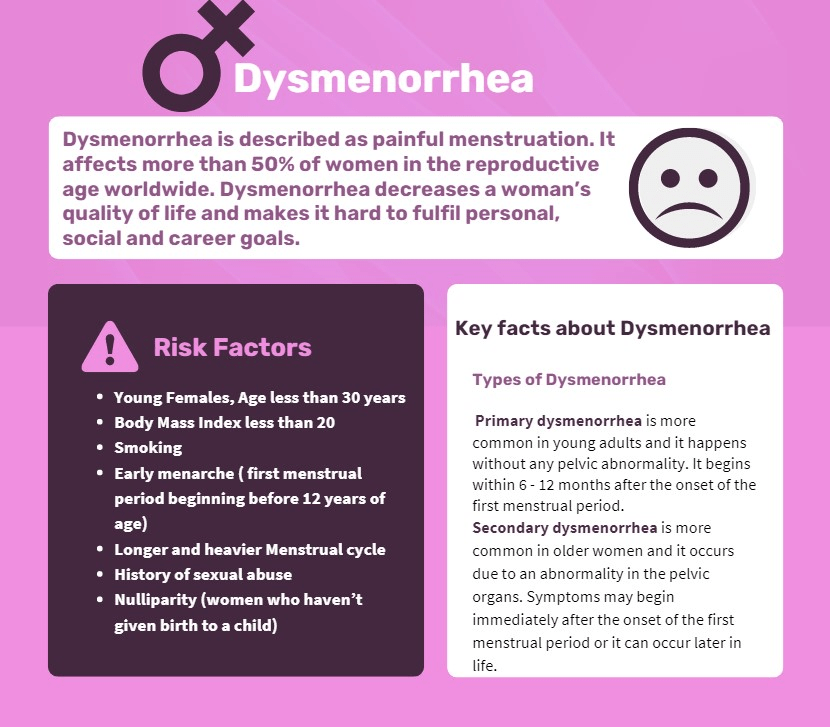
Dysmenorrhea is described as painful menstruation. It affects more than 50% of women in the reproductive age worldwide. Dysmenorrhea decreases a woman’s quality of life and makes it hard to fulfil personal, social and career goals. It is therefore very important to create awareness of dysmenorrhea and ways to manage the symptoms. 

There are two types of dysmenorrhea. Primary and secondary dysmenorrhea. Primary dysmenorrhea is more common in young adults and it happens without any pelvic abnormality. It begins within 6 – 12 months after the onset of the first menstrual period. Secondary dysmenorrhea is more common in older women and it occurs due to an abnormality in the pelvic organs. Symptoms may begin immediately after the onset of the first menstrual period or it can occur later in life.

Risk Factors for Dysmenorrhea

  • Young Females, Age less than 30 years
  • Body Mass Index less than 20 
  • Smoking 
  • Early menarche ( first menstrual period beginning before 12 years of age)
  • Longer and heavier Menstrual cycle 
  • History of sexual abuse
  • Nulliparity (women who haven’t given birth to a child)

Causes of Secondary Dysmenorrhea

Management of Dysmenorrhea

For primary Dysmenorrhea treatment is aimed to provide comfort from cramping pain and symptoms. NSAIDS such as ibuprofen, Advil, Motrin, Naproxen, Aleve, etc provide better pain relief than Acetaminophen (Tylenol). Hormonal therapies such as hormonal contraceptives including pills, IUDs (Mirena), implantable devices (Nexplanon), depo provera injection, Patches and vaginal rings can also be beneficial in controlling symptoms. Same treatment options can also be used in secondary dysmenorrhea, however identifying and treating the cause of the secondary dysmenorrhea can be necessary in controlling the problem. This can include medical management or surgical options. 

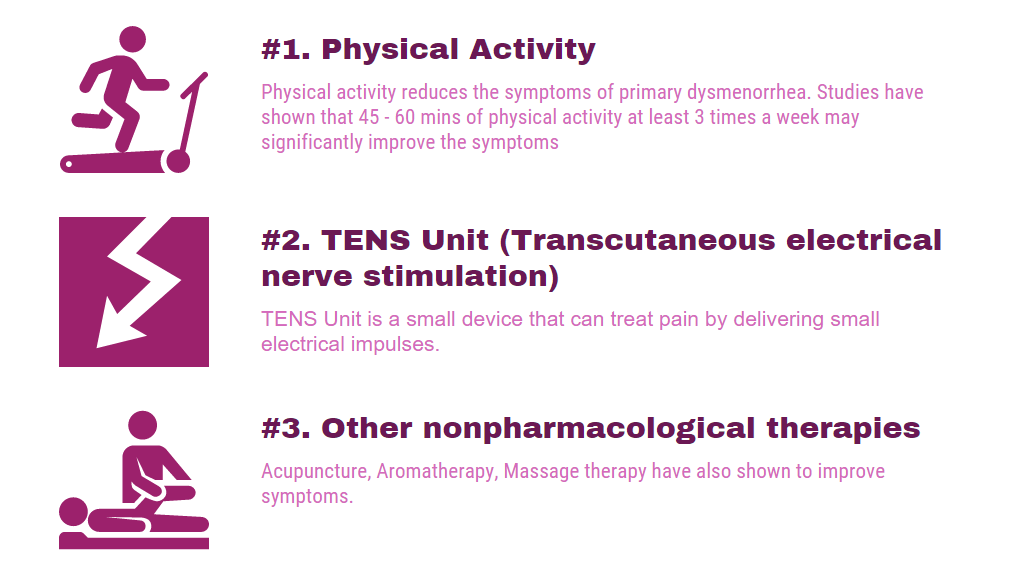
Lifestyle and Behavioral Remedies

Skin Cancer

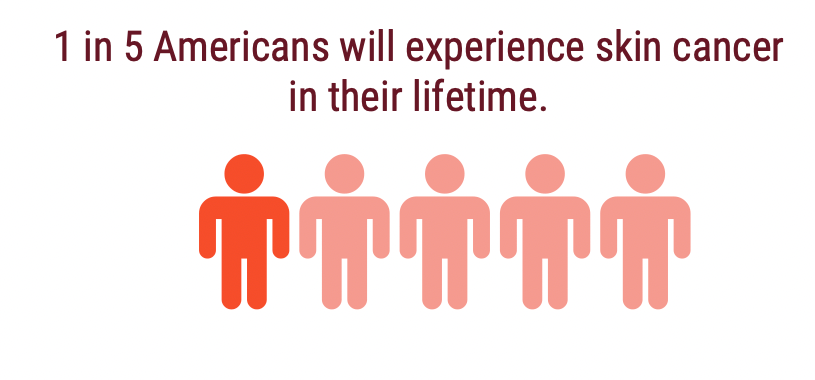
As per the American Academy of Dermatology approximately 1 in 5 Americans will develop skin cancer in their lifetime. More than 1 million Americans are living with skin cancer. There are two common types of skin cancer Melanoma and Non-Melanoma. Most common types of Non – Melanomas are Basal Cell Carcinoma and Squamous Cell Carcinoma. Skin cancers usually present as a rash / nodule or an ulcer that doesn’t heal that changes in size, shape and color.

WHO IS AT RISK OF DEVELOPING SKIN CANCER

Anyone can develop skin cancer. It mostly affects Older adults, however it can also occur in young adults. Although it can occur in any skin types, Light skin people are more at risk. In dark skin people it is often diagnosed later in stage and is often harder to treat. Before 50 years of age women are at high risk of developing skin cancer, however the risk of developing skin cancer for men increases to twice as high after age 65. People who have family history of skin cancer are at higher risk than the general population.

RISK FACTORS ASSOCIATED WITH SKIN CANCER

  • Exposure to UV radiation (Natural sunlight and artificial UV radiation)
  • Frequent sunburns
  • Exposure to tanning beds
  • Smoking

MORTALITY & SURVIVAL RATES

Basal Cell Carcinoma and Squamous Cell Carcinoma have good prognosis and have a very high chance of cure if detected and treated early. Localized melanoma without spreading to lymph nodes have a 5 year survival rate of 92% , however if it was diagnosed after spreading to lymph nodes the survival rate decreases to 25 – 65% depending on the stage. Recurrence rate of developing another skin cancer or recurring skin cancer is high.

PREVENTION

It is very important to seek medical help if you notice a rash, nodule, mole or ulcer that is not healing. Rate of cure and survival is increased if the cancer is diagnosed early and treated early. It is always better to practice preventive measures to decrease the risk of getting skin cancer.

  • Avoid Tanning beds
  • Apply Sunscreen

SELECTING & APPLYING SUNSCREEN

  • Broad spectrum sunscreen is necessary to cover both Ultraviolet A and Ultraviolet B range
  • Sun protection factor (SPF) of 30 or higher is needed especially for people who have increased sun exposure either by working or playing outside or relaxing in the sun.
  • If you are playing sports or participating in water activities it is important to use water resistant sunscreen
  • Sunscreen must be used in all body parts that is exposed to sun.
  • Sunscreen must be applied at least 15- 30 minutes before the sun exposure and need to be reapplied at least every 2 hours and after every water exposure.
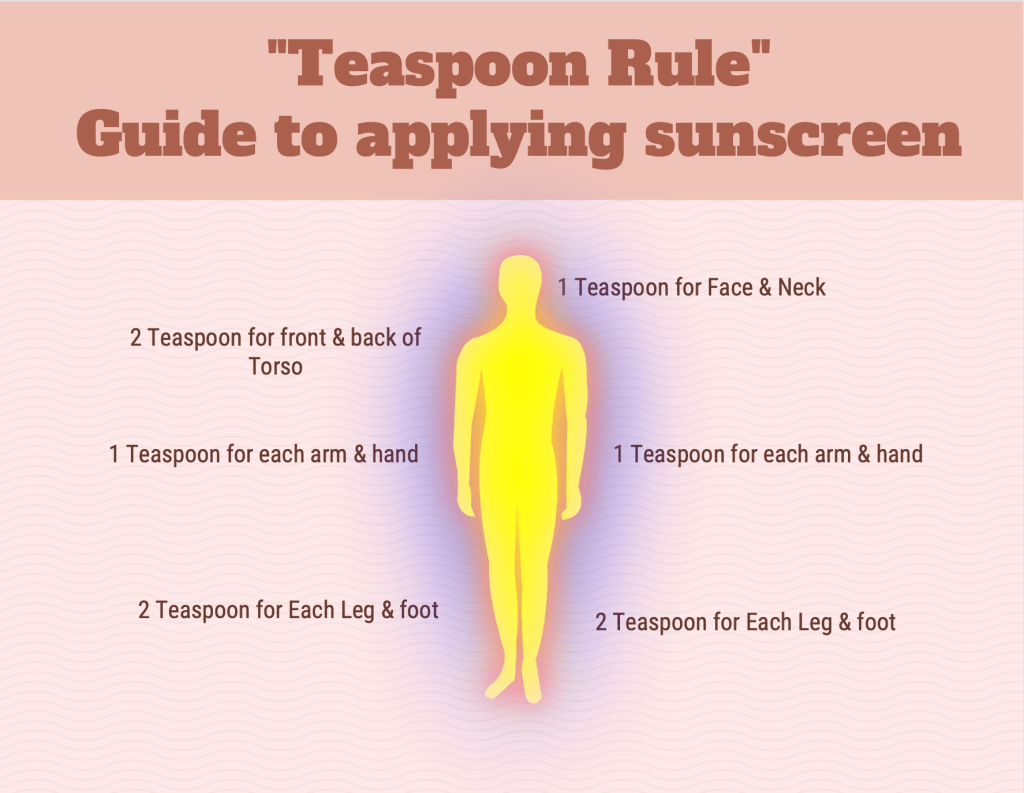
  • You can use the ” Teaspoon rule ” to make sure you get adequate sunscreen in your body. Teaspoon rule is considered as using 1 teaspoon of sunscreen to face and neck area, 1 teaspoon of sunscreen to each upper extremity (arms & hands), 2 teaspoon of sunscreen for front and back of the torso and 2 teaspoon of sunscreen to each lower extremities (legs & feet).

Psoriasis and Psoriatic arthritis

What is psoriatic arthritis?

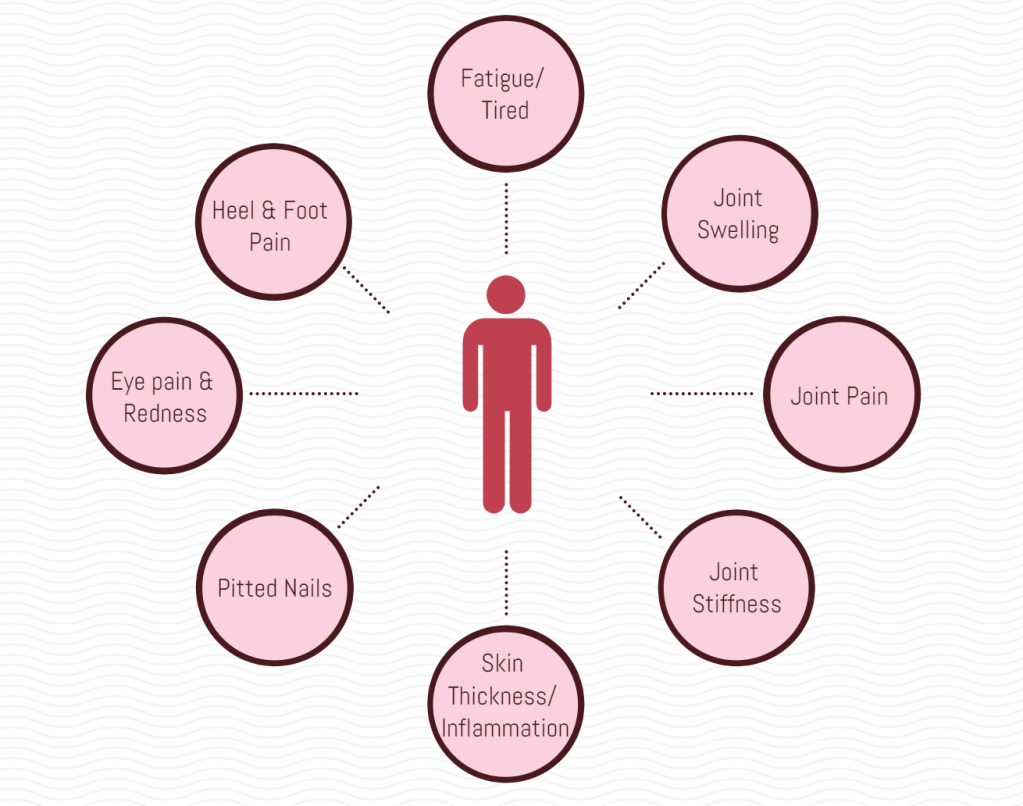
Psoriasis is an immune mediated chronic inflammatory skin disease and Psoriatic arthritis is defined by joint pain, swelling and inflammation in people who have psoriasis . Approximately 20-30% of people who have psoriasis also has Psoriatic Arthritis.

Psoriasis happens because of increased skin growth due to overactive immune system. Skin cells grow and shed as part of a normal cycle, in Psoriasis instead of cells shedding, new cells stack up on top of the old cells causing plaques.

Overactive immune system can also cause inflammation in other parts of the body. When there is inflammation in the joints it causes swelling, stiffness and pain of the joints. This is called Psoriatic arthritis.

What are the symptoms of Psoriasis / Psoriatic arthritis?

Epidemiology and causes

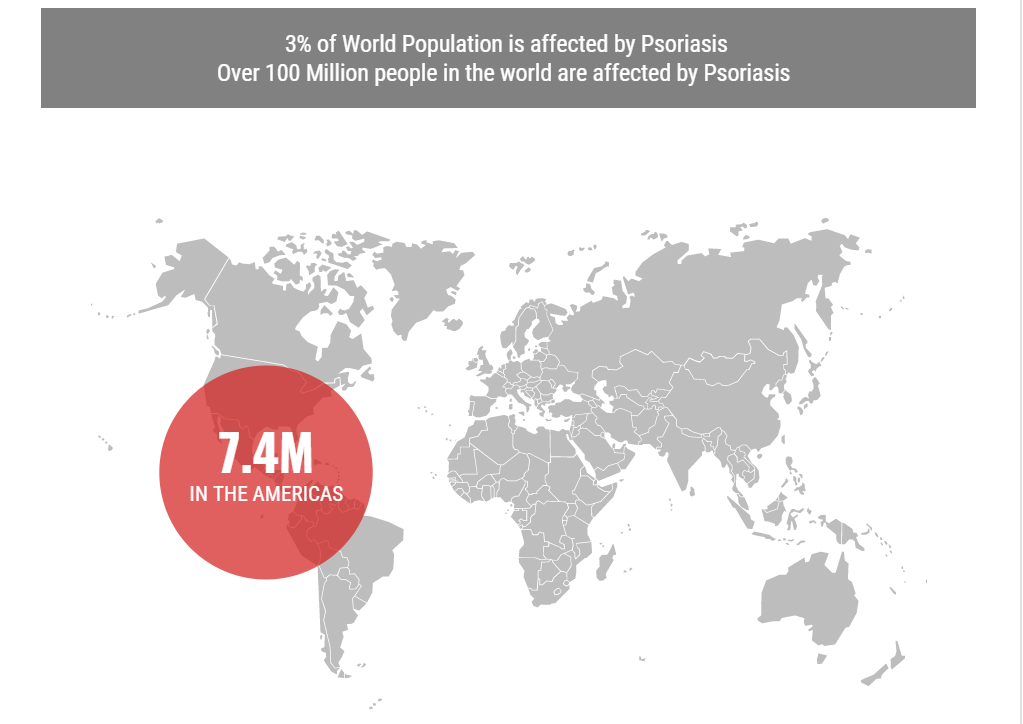
In 2013 it was estimated that 7.4 million adults in United States have Psoriasis and or Psoriatic arthritis. Approximately 100 million people were affected by Psoriasis in the world. Psoriasis can occur at any age, however it is less common in children. It affects men and women equally.

The exact cause of Psoriasis is still unknown. However Genetics and immune system plays a role in psoriasis. You can have psoriasis without any family history of immune disorders. Stress, Lack of sleep , Cold weather , illness, smoking, Heavy alcohol consumption can all trigger the flare up episodes.

PSORIASIS IS NOT CONTAGIOUS

How is Psoriasis treated?

  • Thick emollients – Thick creams such as petroleum jelly is recommended to keep the skin soft and moist. By keeping the skin soft and moist once can reduce itchiness and pain. 
  • Corticosteroids – Topical corticosteroids can reduce inflammation and help with the patches and itchiness. Corticosteroids come in different strengths and potency, discuss with your doctor to find the best suitable potency for you. When steroid creams are used for a long period of time it can cause thinning of the skin and skin discoloration. 
  • Topical Vitamin D – Topical Vitamin D analogs alone or in combination with other treatment can help with psoriasis.
  • Phototherapy- Phototherapy is provided by dermatologist where UV radiation is used to reduce the overgrowth of skin cells and to reduce the inflammation. There is a slight risk of skin cancer due to the UV radiation and careful monitoring is required by a professional.
  • Salt water bath – Bathing in sea water and exposing yourself to natural sunlight can help with psoriasis

How is psoriasis and psoriatic arthritis treated?

So far there is no cure that has been found for psoriasis or psoriatic arthritis. However there are treatment options available to treat the symptoms and to reduce or avoid flare ups. There are multiple clinical trials ongoing throughout the world to find a cure.

Temporary Pain relief

  • Anti Inflammatory medications such as NSAIDS (Ibuprofen, Advil, Motrin, naproxen, Alleve) can provide temporary relief with joint pain and stiffness
  • Steroids such as prednisone and methylprednisolone can also reduce the inflammation and treat the symptoms. 
  • Applying heat to the affected joints can reduce the pain and stiffness, especially in the mornings
  •  Physical Therapy can strengthen your muscles and help ease the weight on your joints. It can also help with increasing flexibility 
  • Custom Orthotics are special shoe inserts that you can slip inside your shoes to provide additional support to your feet, heels and ankles. 

Maintenance medications

  • There are maintenance medications your Rheumatologist can prescribe you to keep the symptoms under control and to avoid or reduce flare ups
  • Methotrexate is the first line medication that is commonly used and is called the disease modifying anti-rheumatic drug (DMARD). It comes in pills and injection. It works by suppressing the immune system. Patients who use methotrexate should  not drink alcohol. 
  •  If methotrexate is not efficient for you or if you can’t tolerate the side effects there are other medications your doctor can prescribe for psoriasis and psoriatic arthritis.

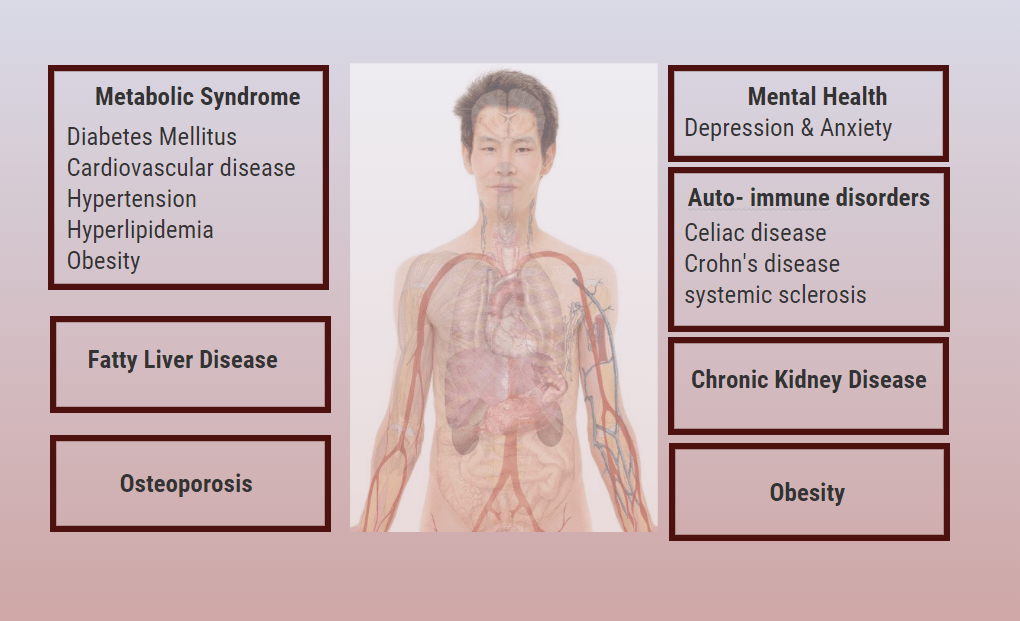
Comorbidities Associated with Psoriasis

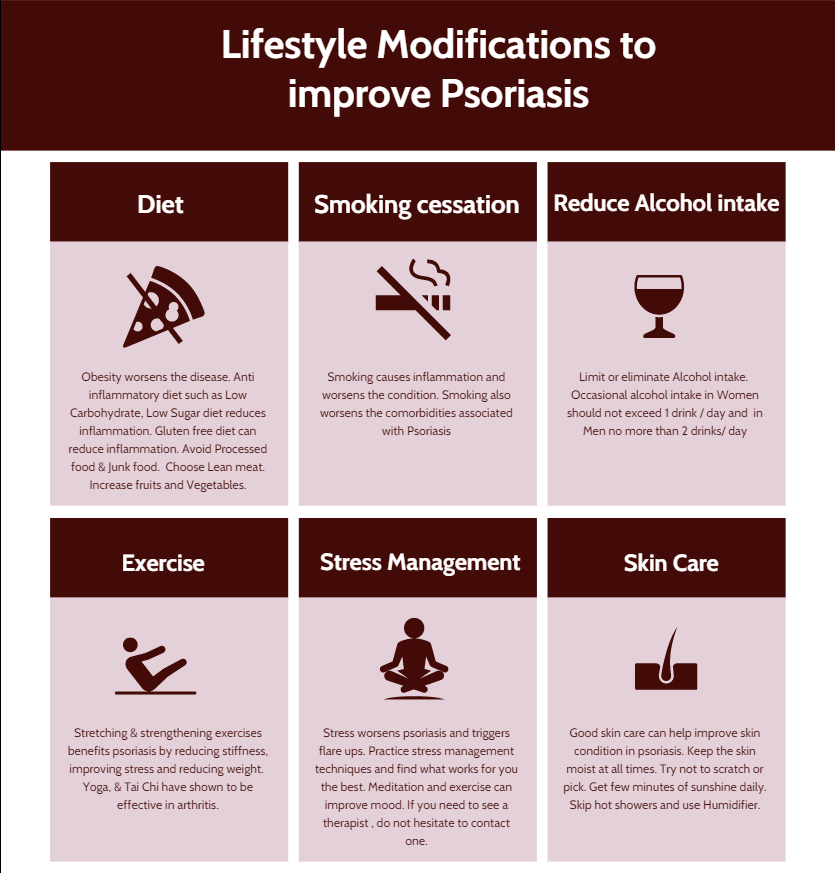
Lifestyle Modifications that are shown to Improve the disease

Cholangiocarcinoma (Bile duct cancer)

Bile duct is a tube that starts in the liver and ends at the small intestine while connecting to the gallbladder. This tubes carries the bile which is used to break down fats in the food. Bile ducts are connected to hepatic ducts in the liver. By connecting to the hepatic ducts, bile duct also help get rid of the toxins that are metabolized by the liver.

What Is Bile Duct Cancer? | What Is Cholangiocarcinoma?
Image obtained from American Cancer Society

Bile duct cancer

Cancer is caused by abnormal growth of cells. Cancer can occur at any part of the bile duct. Extrahepatic cholangiocarcinoma occurs in the bile duct that is outside the liver. This type of bile duct cancer has better prognosis than other biliary cancers. Hilar cholangiocarcinoma (Klatskin tumor) occurs where the left and right hepatic ducts join to form the common bile duct. Intrahepatic cholangiocarcinoma occurs inside the liver.

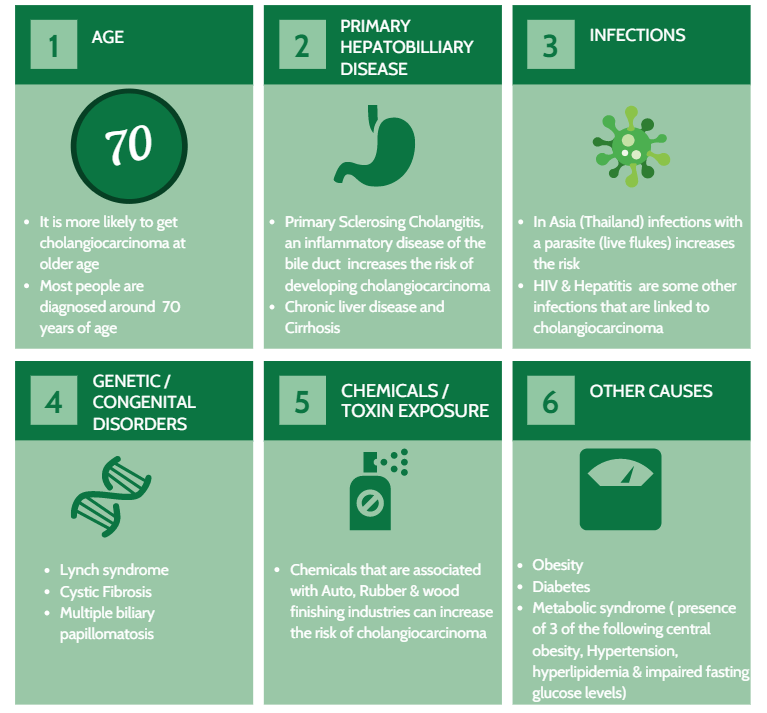
Risk factors for Cholangiocarcinoma

Epidemiology and statistics of cholangiocarcinoma

Primary cholangiocarcinoma is diagnosed at the 7th decade of life (approximately around 70 years of age). Although it is not as common as the breast , colon or prostate cancer, In the USA , approximately 8000 people are diagnosed with this type of cancer every year. The incidence is highest among Hispanics and Asians. Men has slightly higher risk of getting cholangiocarcinoma than women.

Extrahepatic cholangiocarcinoma has the best prognosis with an approximate 5 year survival rate of 10% (which means that the patients with this type of cancer have a 10% chance of living like a person without the cancer ). If the cancer has spread or metastasized to other parts the 5 year survival rate decreases to 2%.

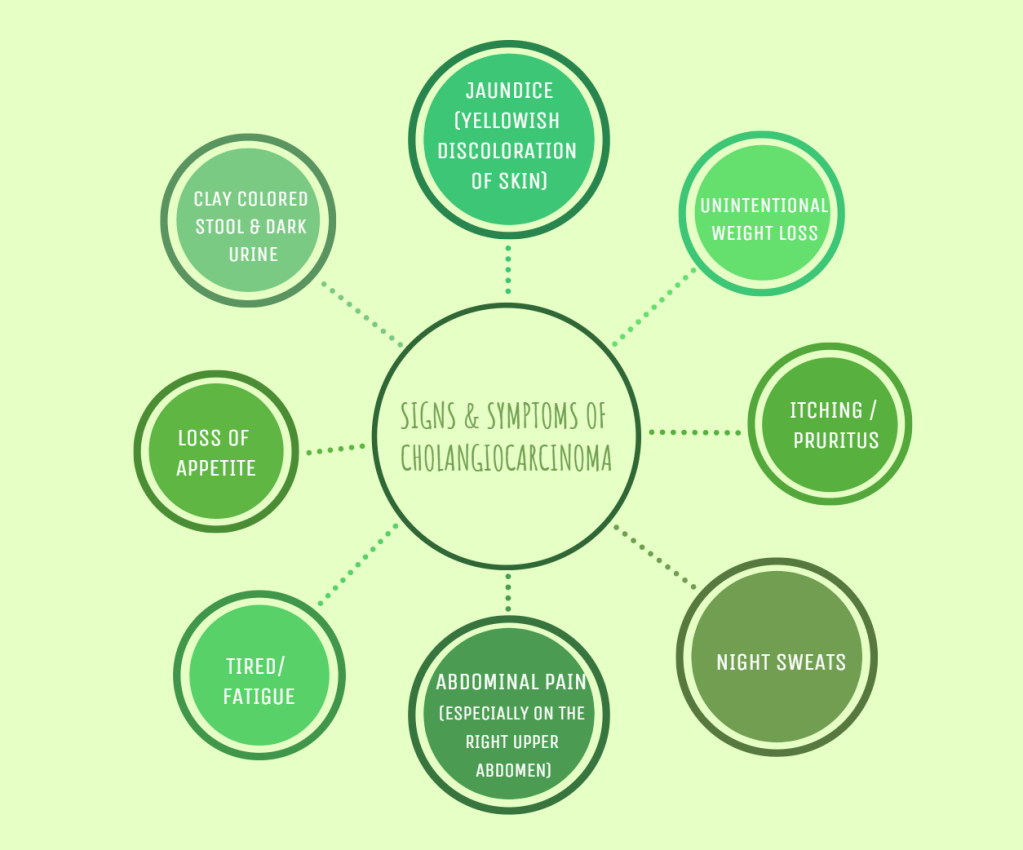
Signs & symptoms

Symptoms associated with bile duct cancer are usually due to the cancer blocking the bile duct drainage. Most of the time Signs and symptoms do not appear until the cancer is advanced or big enough to cause a blockage. Early signs and symptoms are nonspecific and usually most people miss to notice it. If you experience any symptoms mentioned below, let your doctor know no matter how small the symptom is.

How is Cholangiocarcinoma diagnosed?

Cholangiocarcinoma is diagnosed using a combination of blood test , imaging and biopsy. Blood test that shows liver function can be abnormally elevated due to the cancer blocking the biliary drainage. Tumor markers such as CEA, and CA 19- 9 can also be elevated on blood test. However these are not common blood test that your doctor orders at general annual checkup. If you notice any signs and symptoms mentioned above, make sure you discuss with your doctor even if its something small.

Imaging test such as Ultrasound of the abdomen, CT scan of the abdomen and MRCP (MRI of the bile duct and pancreas) can help notice the tumor, the location, size and spreading to other locations.

Biopsy of the tumor is essential to confirm the diagnosis of cholangiocarcinoma. Biopsy can be performed by Endoscopic Retrograde CholangioPancreatography (ERCP) or percutaneous transhepatic cholangiography (PTC). ERCP is performed under general anesthesia where you are put to sleep. Your surgeon will then put a tube with a camera down your food pipe (esophagus) then to the stomach and duodenum. Through the camera surgeon will be able to see the tumor and will be able to take samples / biopsy of the tumor to examine under the microscope.

percutaneous transhepatic cholangiography (PTC) is performed by interventional radiologist. A needle is inserted into the liver and then into the bile duct using a series of imaging to guide the needle. once the needle is inserted into the bile duct a dye is inserted and more imaging will be taken to better see the tumor. a sample or biopsy can also be obtained to better analyze the tumor.

Both of these procedures can also relieve the biliary blockage caused by the tumor temporarily. With ERCP your surgeon can place a stent (a tiny tube made with plastic or metal) to keep the biliary duct open. With PTC your interventional radiologist can place a tube into the biliary duct that can drain the biliary fluid externally into a bag outside.

Treatment & Prognosis

Unfortunately there are no preventive screenings available for cholangiocarcinoma to prevent them or to catch them early and treat them. Some cholangiocarcinoma can be resected / surgically removed. Surgery may also sometimes involve fully or partially removing the bile duct and liver. However not all cholangiocarcinomas can be surgically resected. If it’s an unresectable cancer Chemotherapy and radiation therapy is an option depending on the type and stage of the cancer.

Other treatment includes stent placement , PTC drainage for symptom relief. Palliative or Hospice care if the cancer is advanced and the treatment is more harmful than being beneficial.

Questions to ask your Oncologist if you or your loved ones are diagnosed with Cholangiocarcinoma

It is difficult to hear a diagnosis of Cancer. It is normal to have a lot of questions and concerns. It is important to ask all your questions and have clear understanding about what is going on before making decisions regarding the procedures or treatment options. Don’t hesitate to repeat the questions if you are still unsure. I have listed few questions that could help better understand the disease, procedures, treatment options and Prognosis.

  1. What is the type of cholangiocarcinoma?
  2. What is the stage of the Cancer ? Is it localized to the bile duct or did it spread to other areas of the body ?
  3. What did the biopsy results show?
  4. what is my prognosis?
  5. Is the cancer surgically removable? if so can it be removed completely? will you also have to remove other organs such as liver or lymph nodes ?
  6. What are the complications from surgery? How will my life change after the surgery ?
  7. What is the chance that the cancer can be completely cured? what is the rate of the cancer recurring again?
  8. If the cancer can be completely removed will i still have to go through chemo or radiation?
  9. If it’s not removable what other options do i have?
  10. what is the 1 year and 5 year survival rate without any treatment?
  11. What is the 1 year and 5 year survival rate with chemo or radiation?
  12. How do i interpret the 1 year and 5 year survival rate?
  13. Is my body strong enough to handle Surgery. Chemo or radiation?
  14. Will the complications from surgery , Chemo or Radiation be more harmful than the cancer itself?
  15. Can this cancer be completely cured or is the treatment just giving me more time? If so how much more time will i be getting with the treatment compared to without treatment?
  16. Are there any clinical trials available that would suit me?
  17. If i chose not to get any treatment how will you help me live a quality of life as long as i live?
  18. What is the difference between full treatment, Palliative care and Hospice?
  19. If i choose to not get treatment for cancer can you still control my symptoms (pain, nausea, weakness etc)?

Complications of Long term Proton Pump Inhibitors use

What are Proton Pump Inhibitors?

Proton Pump Inhibitors (PPI) are medications that are used to treat acid reflux and Gastric ulcers. They work by stopping/ reducing the acid production in the stomach. Although stomach acid is essential for digestion and absorption of food and nutrients, excess stomach acid can damage the stomach lining and cause Gastric ulcers, dyspepsia , acid reflux and Barrett’s esophagus (which can turn into esophageal cancer). Omeprazole (prilosec), Pantoprazole (Protonix) , esomeprazole (Nexium) are some of the PPIs that are widely used by people. 

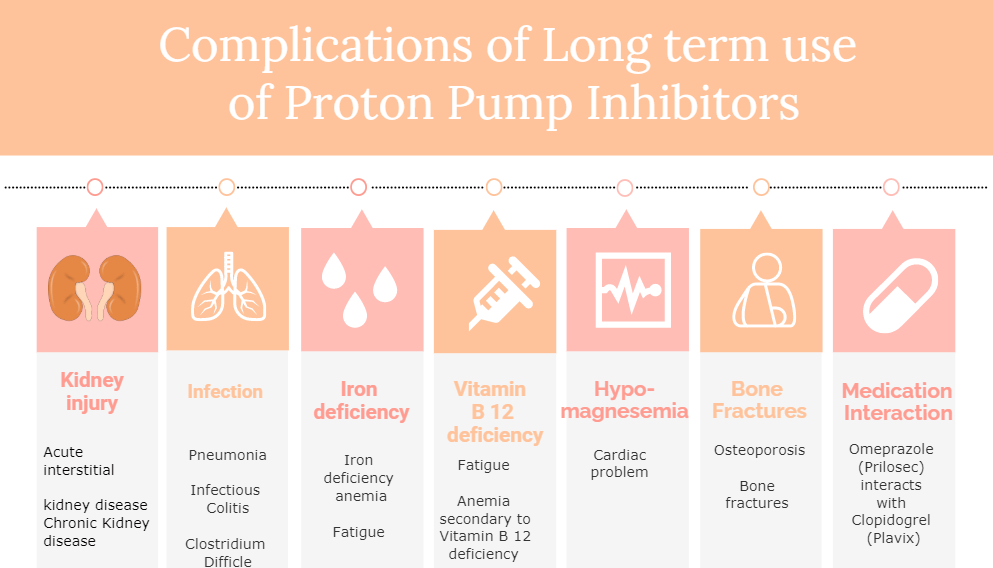
Complications of long term use of PPI

  • Acute interstitial nephritis or CKD
    • It is unclear how PPI use can cause CKD or interstial nephritis
  • Pneumonia
    • Long term PPI use alters the stomach acidity and thereby cause a disruption in stomach bacteria. This increases the risk of pneumonia.
  • Increased GI infection
    • Long term PPI use alters the stomach acidity and thereby cause a disruption in stomach bacteria. This can lead to Infectious colitis or Clostridium difficle infection.  
  • Iron Deficiency 
    • Stomach acid is necessary for absorption of certain minerals and vitamins. By inhibiting stomach acid the absorption of iron is impaired and thereby it causes iron deficiency anemia.
  • Vitamin B12 deficiency 
    • Stomach acid is necessary for absorption of certain minerals and vitamins. By inhibiting stomach acid the absorption of Vitamin B12 is impaired. This can lead to feeling fatigue / Tired and anemia secondary to vitamin B12 deficiency
  • Bone fracture
    • Stomach acid is necessary for absorption of certain minerals and vitamins. By inhibiting stomach acid the absorption of calcium is impaired. Calcium is necessary for bones. Calcium impairment can lead to osteoporosis (fragile bones) that can easily fracture.
  • Hypomagnesemia 
    • Stomach acid is necessary for absorption of certain minerals and vitamins. By inhibiting stomach acid the absorption of magnesium is impaired. Magnesium is essential for many important body functions including cardiac activity .
  • Medication interaction (omeprazole reduces the effectiveness of clopidogrel)
    • Clopidogrel is a medication that prevents blood vessels from clogging. This medication absorption is affected by omeprazole (a PPI). Other Proton Pump Inhibitors don’t affect the absorption of clopidogrel (Plavix).

If you’re on a PPI don’t discontinue without consulting with your doctor. All medications have some side effects, but discuss with your doctor to see if the benefits of medication outweighs the risks in your situation. Rapidly stopping the PPI can cause rebound acid reflux symptoms. If you’re taking a PPI for acid reflux , try to change your diet and control the symptoms with lifestyle modifications as much as possible to reduce the use of medications and to reduce the risk of side effects.

Erectile Dysfunction

Erectile dysfunction is the most common sexual problem experienced by people in this century. Per CDC’s statistics about 30 million men in USA experience erectile dysfunction. There are multiple causes for erectile dysfunction in men. Some causes are modifiable and some are not modifiable. One cannot stop the aging process, however one can live a healthy lifestyle in order to avoid other causes of erectile dysfunction.

Erectile dysfunction is a term used to define men who cannot obtain or maintain an erection. Lets discuss some of the most common reasons for this problem and the solutions.

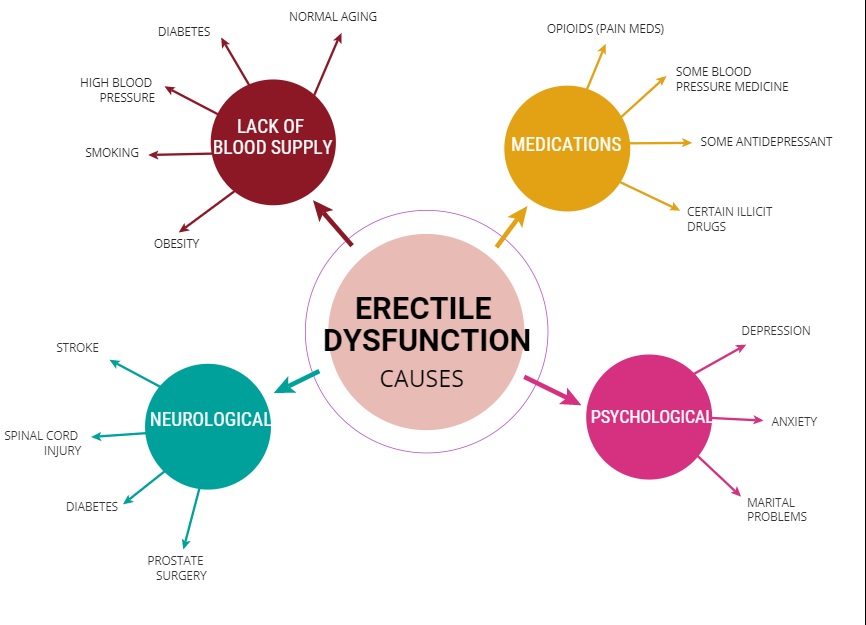
CAUSES OF ERECTILE DYSFUNCTION

Lack of blood supply

Medical conditions such as Diabetes, High blood pressure, obesity , obstructive sleep apnea and cigarette dependence increase the risk of developing erectile dysfunction. Normal erection need blood flow to the genital area. with increased blood supply the pressure in the genital area increases and helps to acquire and maintain erection. Diabetes , High blood pressure, Obstructive sleep apnea , obesity and smoking reduces the blood flow and oxygen level to the genitalia and thereby causing erectile dysfunction.

Neurological causes

Damage to the nerves that supports the genitalia can also lead to erectile dysfunction. Spinal cord injuries, stroke, or peripheral neuropathy from diabetes can contribute to difficulty in acquiring and maintaining and erection.

Drugs

Certain medications as well as illicit drugs and Alcohol can contribute to sexual dysfunction. medications such as antidepressants, pain medications such as opioids and Certain blood pressure medications can contribute to sexual dysfunction. if you are taking any of these medications and are experiencing erectile dysfunction, talk to your doctor about it to see alternate options. Some over the counter medications as well as illicit drugs such as cocaine, heroine can ultimately contribute to erectile dysfunction as well. One of the most commonly used substance Alcohol is another cause of erectile dysfunction.

Psychological causes

Mind and body are not separate, in fact they work as one. If you’re going through mental health problems such as Stress, Depression or anxiety are directly correlated to sexual dysfunction. Marital conflicts directly contributes to sexual dysfunction as well. If you are going through a stressful time in your life, having marital conflicts or experiencing depression or anxiety seeking mental health help will not help with your mind but will also help with sexual problems.

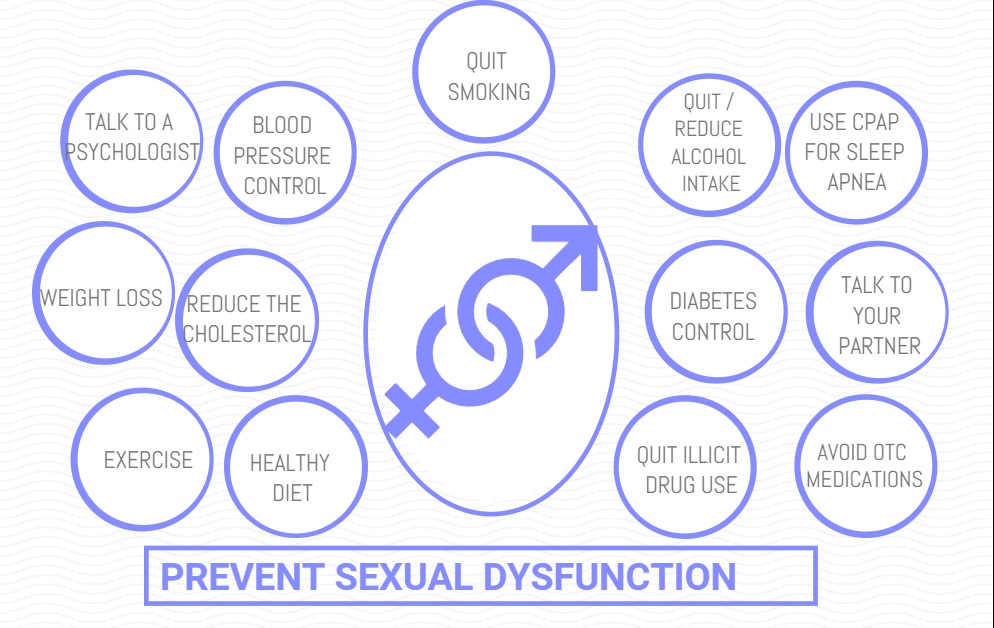
What can you do to help with erectile dysfunction ?

  • Exercise
  • Healthy low fat, low carbohydrate diet
  • Weight loss if you’re overweight, obese or morbidly obese
  • Quit smoking
  • Reduce or quit alcohol intake
  • Avoid illicit drug use
  • Use CPAP machine if you have Sleep Apnea
  • seek mental help counselling if you are going through a hard time.
  • Talk to your partner about the conflicts and try to resolve them
  • Talk to your doctor about checking your testosterone levels and treatment options for erectile dysfunction