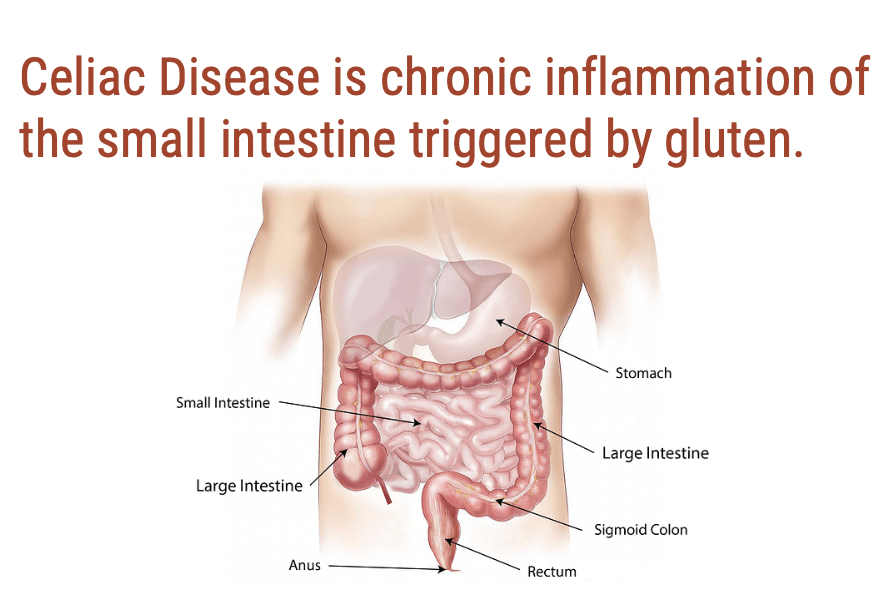
Celiac Disease is an autoimmune disorder of the small intestine that causes digestive problems. It is triggered by consumption of gluten containing products. A person can develop Celiac Disease at any age. It affects roughly 1% of US population. Family history of Celiac disease in first and second degree relatives as well as having other autoimmune disorders such as Type 1 Diabetes, autoimmune thyroid disease increases the risk of developing Celiac disease.
Symptoms of celiac disease
Celiac disease is often undiagnosed or diagnosed later in life due to the nature of vague symptoms.
Unintentional weight loss
Diarrhea
Fatty stool
Flatulence
Abdominal pain
Feeling tired or weak
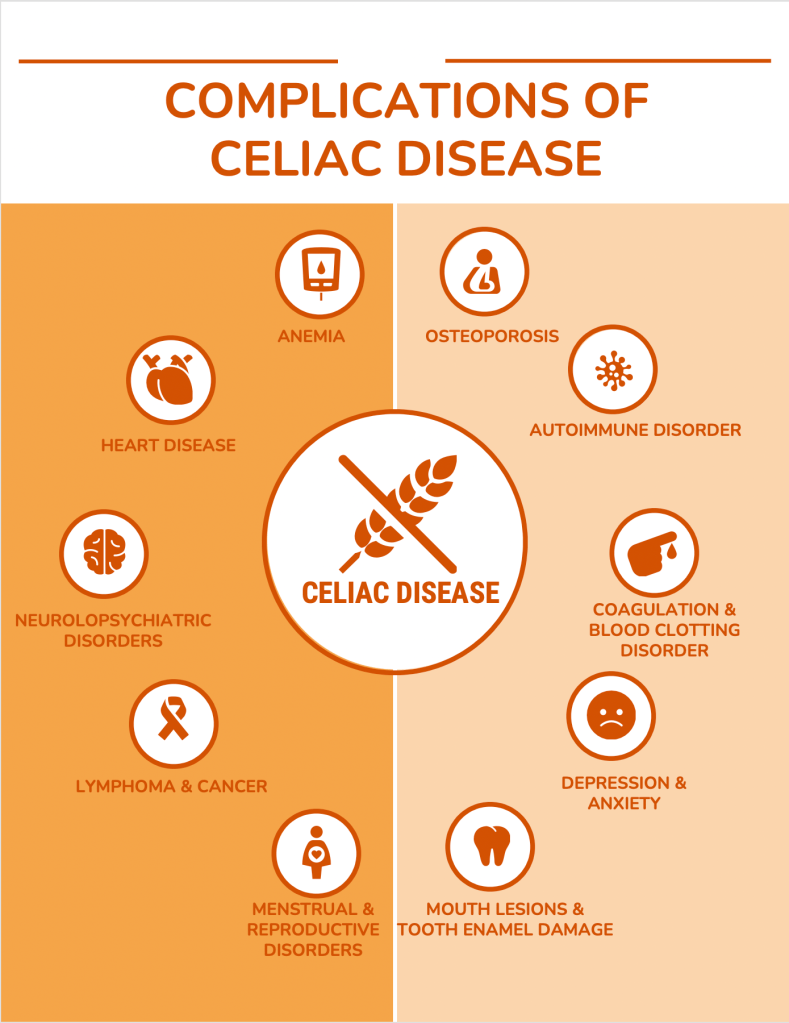
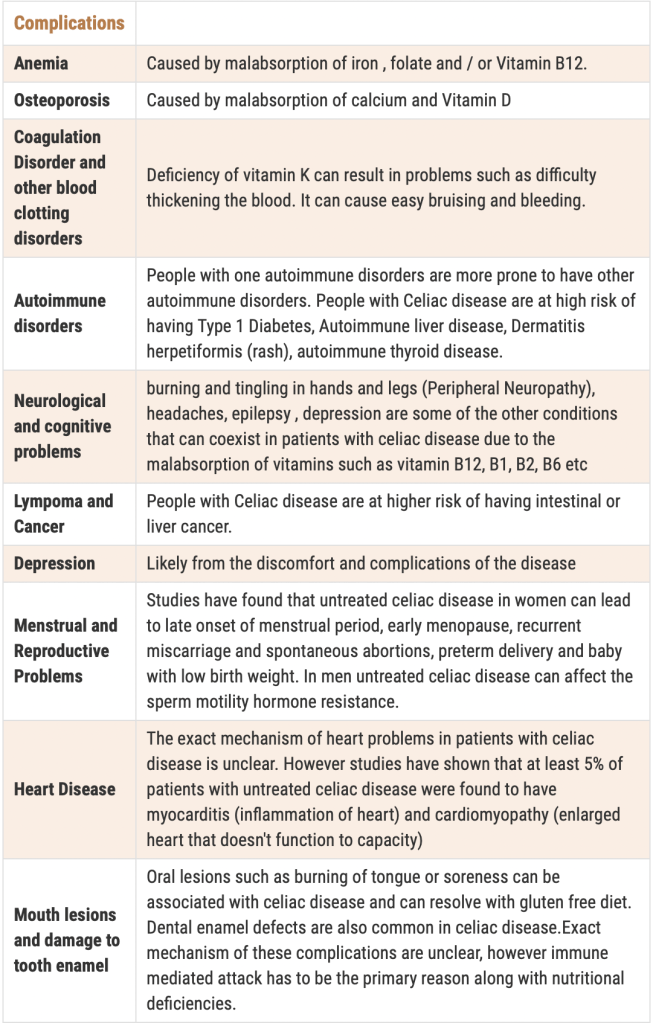
complications of celiac disease
Untreated celiac disease causes malabsorption of nutrients and therefore can contribute to many other comorbidities.
management of celiac disease
Glutten containing food is the trigger for Celiac disease and its complications. Avoiding Gluten in diet for life long can keep the disease under control and reduce the risks of other comorbidities. General American diet contains a ton of Gluten and therefore it takes serious commitment and lifestyle changes.
Avoid any foods containing Rye, Barley, Oats, Malt, Yeast and Wheat
Distilled alcoholic beverages and wine are safe to drink. However beers, ales and beverages that are not distilled should be avoided.
Many patients with celiac disease can also have lactose intolerance. Monitoring for worsening symptoms with dairy products can help avoid them and control the symptoms.
Following a gluten free diet is not easy. It needs a lot of attention and commitment. Transitioning from a regular diet to gluten free diet can take some time. However following a gluten free diet by a person with Celiac disease can see great improvement in their health. Many of us are not aware of the hidden gluten in some foods. It is important to check the ingredients when purchasing any food, especially the processed food.
Some food items that contain gluten and are often forgotten
Processed food
Broths, Soups, seasoning and sauces
Cereals
Burgers, meatloafs, sausages, deli meat, imitation meat
Flavored coffee and Tea
Speciality cheeses
Oats may be contaminated with wheat
frozen food
Many of the complications from celiac disease are due to nutritional deficiencies. Therefore it is important to replenish the nutrients that are lacking in these patients. Testing and treating Vitamin K, B1, B12, B6, Magnesium, Selenium, Iron , folic acid, since are necessary.
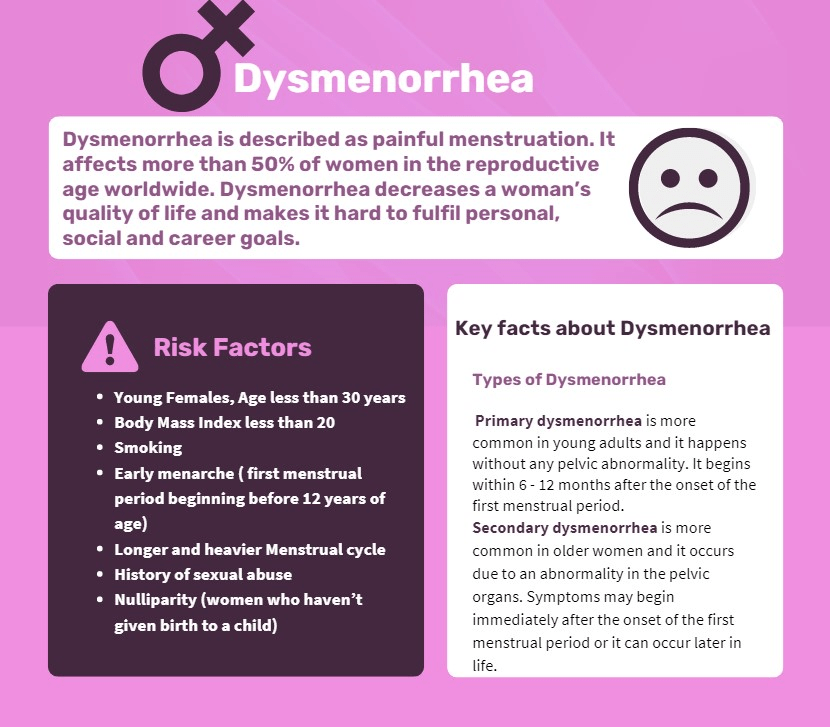
Dysmenorrhea is described as painful menstruation. It affects more than 50% of women in the reproductive age worldwide. Dysmenorrhea decreases a woman’s quality of life and makes it hard to fulfil personal, social and career goals. It is therefore very important to create awareness of dysmenorrhea and ways to manage the symptoms.
There are two types of dysmenorrhea. Primary and secondary dysmenorrhea. Primary dysmenorrhea is more common in young adults and it happens without any pelvic abnormality. It begins within 6 – 12 months after the onset of the first menstrual period. Secondary dysmenorrhea is more common in older women and it occurs due to an abnormality in the pelvic organs. Symptoms may begin immediately after the onset of the first menstrual period or it can occur later in life.
Risk Factors for Dysmenorrhea
Young Females, Age less than 30 years
Body Mass Index less than 20
Smoking
Early menarche ( first menstrual period beginning before 12 years of age)
Longer and heavier Menstrual cycle
History of sexual abuse
Nulliparity (women who haven’t given birth to a child)
Causes of Secondary Dysmenorrhea
Management of Dysmenorrhea
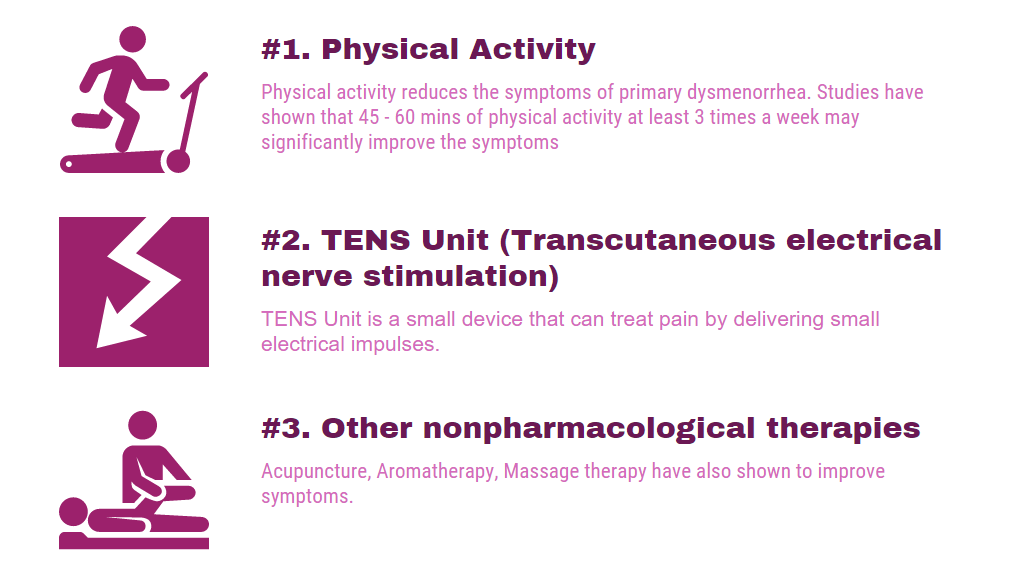
For primary Dysmenorrhea treatment is aimed to provide comfort from cramping pain and symptoms. NSAIDS such as ibuprofen, Advil, Motrin, Naproxen, Aleve, etc provide better pain relief than Acetaminophen (Tylenol). Hormonal therapies such as hormonal contraceptives including pills, IUDs (Mirena), implantable devices (Nexplanon), depo provera injection, Patches and vaginal rings can also be beneficial in controlling symptoms. Same treatment options can also be used in secondary dysmenorrhea, however identifying and treating the cause of the secondary dysmenorrhea can be necessary in controlling the problem. This can include medical management or surgical options.
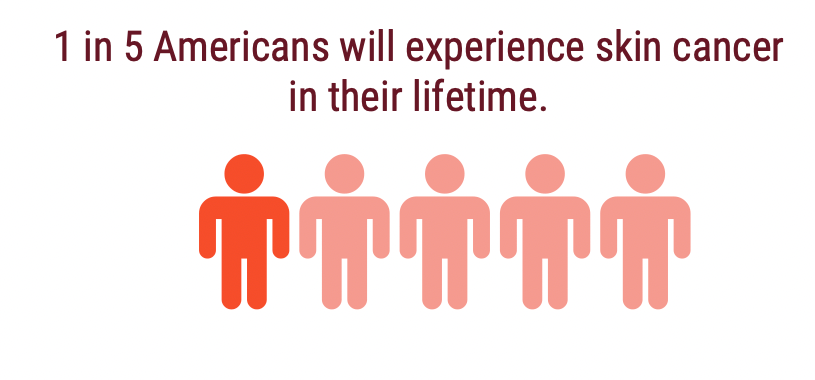
As per the American Academy of Dermatology approximately 1 in 5 Americans will develop skin cancer in their lifetime. More than 1 million Americans are living with skin cancer. There are two common types of skin cancer Melanoma and Non-Melanoma. Most common types of Non – Melanomas are Basal Cell Carcinoma and Squamous Cell Carcinoma. Skin cancers usually present as a rash / nodule or an ulcer that doesn’t heal that changes in size, shape and color.
WHO IS AT RISK OF DEVELOPING SKIN CANCER
Anyone can develop skin cancer. It mostly affects Older adults, however it can also occur in young adults. Although it can occur in any skin types, Light skin people are more at risk. In dark skin people it is often diagnosed later in stage and is often harder to treat. Before 50 years of age women are at high risk of developing skin cancer, however the risk of developing skin cancer for men increases to twice as high after age 65. People who have family history of skin cancer are at higher risk than the general population.
RISK FACTORS ASSOCIATED WITH SKIN CANCER
Exposure to UV radiation (Natural sunlight and artificial UV radiation)
Frequent sunburns
Exposure to tanning beds
Smoking
MORTALITY & SURVIVAL RATES
Basal Cell Carcinoma and Squamous Cell Carcinoma have good prognosis and have a very high chance of cure if detected and treated early. Localized melanoma without spreading to lymph nodes have a 5 year survival rate of 92% , however if it was diagnosed after spreading to lymph nodes the survival rate decreases to 25 – 65% depending on the stage. Recurrence rate of developing another skin cancer or recurring skin cancer is high.
PREVENTION
It is very important to seek medical help if you notice a rash, nodule, mole or ulcer that is not healing. Rate of cure and survival is increased if the cancer is diagnosed early and treated early. It is always better to practice preventive measures to decrease the risk of getting skin cancer.
Avoid Tanning beds
Apply Sunscreen
SELECTING & APPLYING SUNSCREEN
Broad spectrum sunscreen is necessary to cover both Ultraviolet A and Ultraviolet B range
Sun protection factor (SPF) of 30 or higher is needed especially for people who have increased sun exposure either by working or playing outside or relaxing in the sun.
If you are playing sports or participating in water activities it is important to use water resistant sunscreen
Sunscreen must be used in all body parts that is exposed to sun.
Sunscreen must be applied at least 15- 30 minutes before the sun exposure and need to be reapplied at least every 2 hours and after every water exposure.
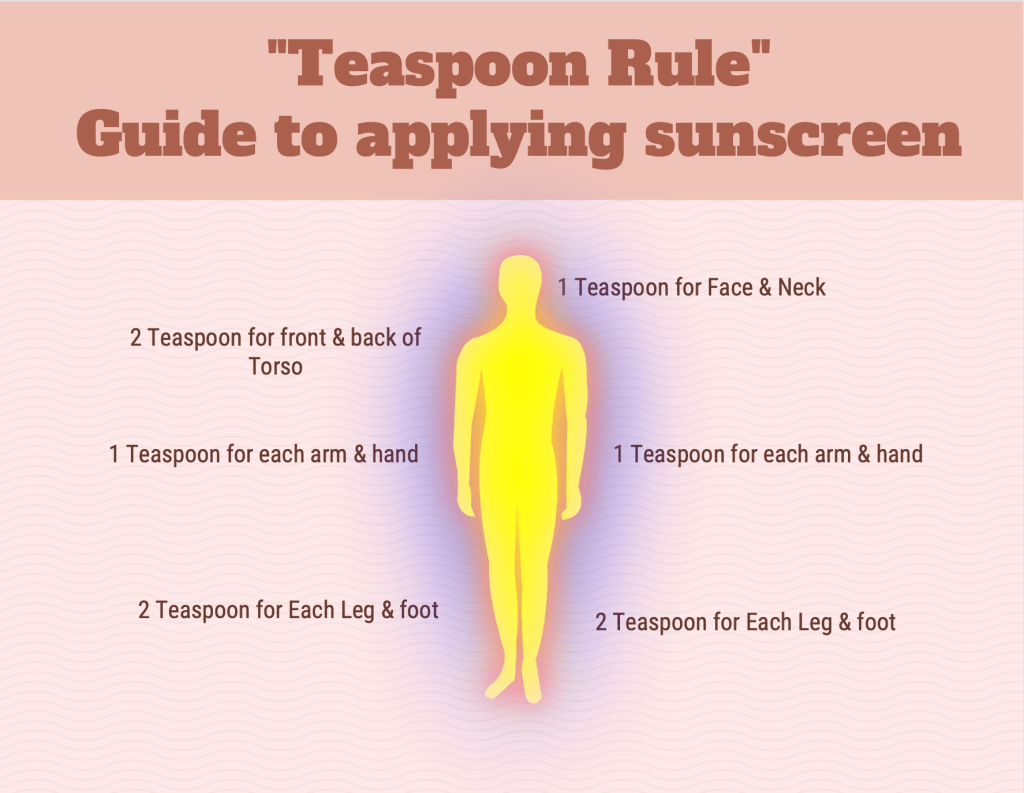
You can use the ” Teaspoon rule ” to make sure you get adequate sunscreen in your body. Teaspoon rule is considered as using 1 teaspoon of sunscreen to face and neck area, 1 teaspoon of sunscreen to each upper extremity (arms & hands), 2 teaspoon of sunscreen for front and back of the torso and 2 teaspoon of sunscreen to each lower extremities (legs & feet).
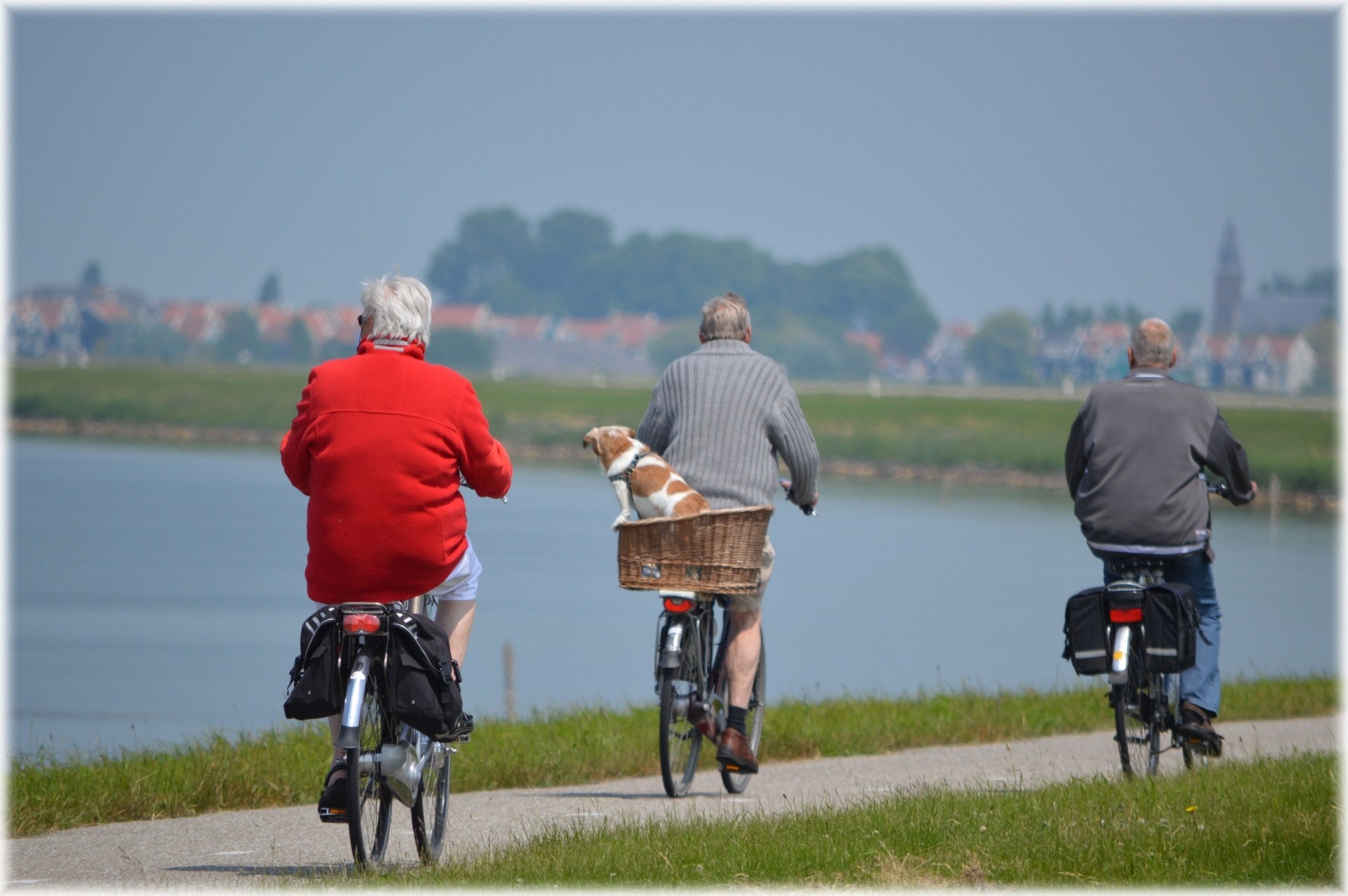
Aging is a natural process every single one of us have to go through. If the process is inevitable, why not make it a healthy and smooth ride!
Quality of life is more important than living life itself. This article will be focusing mainly on Lifestyle modifications that can improve your quality of life. Lets start to build the path to healthy aging.
What are the lifestyle factors that contributes to a successful aging?
Physical Activity
Healthy Eating
Sleep
Psycho social factors
Substance use
Physical Activity:
Exercise can improve your health significantly by reducing bone loss and preventing osteoporosis, reducing arthritis pain, strengthen and decrease fall and fracture risks, improve sleep and cognitive function as well as contributing to improve medical conditions such as blood pressure, Diabetes, High cholesterol and Depression. Some studies have also showed reduced risk of colon and breast cancer and death by being physically active.
It is recommended for older adults to perform at least 150 min/ week of moderate intensity exercise such as brisk walking or 75 mins/ week of vigorous intensity exercise such as jogging or running. Muscle strengthening exercises involving major muscles such as legs, hips, back , chest, shoulder and arms should be included as part of the physical activity. For those who are not active at all, even low intensity exercise such as sitting less, walking around the house while watching TV or standing more can be beneficial compared to no physical activity at all.
Type of Exercises and its benefits
Aerobic Exercise: Aerobic exercise such as walking, running, swimming, bicycling all provide cardiovascular and muscular benefits. It is always better to increase the duration of the exercise before increasing the intensity of the exercise.
Resistance Training : Resistance training such as use of weights or exercise bands are associated with increase in muscle strength and muscle mass. When you first start, pick a weight which you can lift comfortably atleast 8 times. when you use weights you should start slowly about two to three seconds to lift, hold for one second, and three to four seconds to return back to the starting position.
Flexibility Training : Dance exercises such as Zumba or Yoga improves flexibility and joint range of motion, endurance and muscle strength. You should slowly stretch into the preferred position and hold each stretch for about 10 to 30 seconds.
Balance Training : Balance training such as Tai Chi improves balance and reduces the risk of falls and fractures.
Healthy Eating
Malnutrition is a very common problem older adults encounter. It can be due to multiple reasons such as other medical problems affecting appetite or the ability to eat (poor dentures, etc) or Elderly negligence. Weight loss and decreased food intake is associated with increased harm and mortality in elderly. A healthy BMI in older adults is between 23- 32 kg/m2. Eating a healthy diet rich in protein, dairy, vegetables, fruits and reduced fat has shown to improve the quality of life in elderly.
Dietary supplements with vitamins are not required unless there is deficiency. Calcium and Vitamin D supplement may help with the bone health and prevent Osteoporosis. Vitamin D supplement with calcium have shown to reduce falls in people who are deficient in vitamin D, however if your vitamin D is within normal limits supplementing vitamin D will not benefit you.
SLEEP
As we get older our duration and quality of sleep gets compromised. It is recommended to get 7- 8 hrs of sleep for adults older than 65, however 80% of older adults does not get the required amount and quality of sleep. When you do not get good sleep, your thinking, mood and functional abilities are compromised. It is important to try good sleep hygiene if you experience sleeping problems prior to trying medications, since sleeping pills have many side effects including drowsiness causing falls, affecting the breathing pattern and can even make you get addicted to them.
What is a good sleep hygiene ?
Use your bed only for sleep and sex. Do not eat or do work in bed
Make your bed comfortable to sleep by using the appropriate linen and pillows that make you comfortable and setting up the temperature to best suit you.
Go to bed only when you are sleepy and if you cannot fall asleep for 15 – 20 mins, get up and do some light activity and then try to go back to sleep again
Avoid drinking caffeinated beverages in the evening and even eat your dinner early
If you have to wake up multiple times in the middle of the night to urinate, avoid drinking a lot of water late at night.
Avoid smoking or alcohol at night
Increase day time activity and reduce or avoid day time naps.
Try relaxation techniques such as meditation
If none of the sleep hygiene techniques help you get the sleep you need and if you have to start sleeping medication, talk to your doctor about the risks, side effects and addiction potential of each and every sleeping pills prior to making a decision.
Substance Use :
Smoking is associated with reduced quality of life as well as increased mortality in older adult. Smoking can affect every single part of your body from your skin to your brain. In addition to causing multiple cancers including skin, Lungs, bladder etc and causing heart attacks and stroke , it can also affect your immune system and make you more prone to catch infections. As we get older the ability for our body to fight infections reduce and this leads to multiple hospitalizations and poor quality of life. Quitting smoking reduces the risk of death despite the age.
Older adults with alcohol use disorder have higher rates of death due to liver failure, falls and injuries and cancer. In addition they also have poor quality of life due to the trauma and poor wound healing, increased risk of developing dementia and stroke. It is common for older adults to be on multiple medications due to other medical problems and alcohol can interact with them and affect alcohol level or drug levels causing toxicity and even death.
Older individuals sometimes use medications that are not prescribed to them or take extra dose of medications (intentionally to increase the benefit of the medication or unintentionally due to memory problems). Due to the physiological changes that happens with aging, prescription, over the counter medications or herbal supplements tend to cause more harm in elderly when taken without a physician’s recommendation. A lot of medications and supplements are listed as a safety concern by FDA in elderly. Talk to your doctor before taking any medications or supplements.
PSYCHO-social Factors :
Despite the medical advances and awareness there is still a stigma about depression and mental health. Older adults are at higher risk of developing major depression or depressive symptoms, however it is also most commonly missed due to contributing the symptoms to other medical problems.
Older adults have multiple risk factors to develop depression including loss of independence due to frailty or medical problems and complications from multiple medical problems. Elderly negligence or abuse is another common reason for impaired mental health.
Older men who are single have higher rates of completed suicide. Good social support, being married , being religious are some of the factors that shows protective factor against suicide attempts.
For those with mild depressive symptoms, improving your diet, sleep , physical and pleasure activity and social support can significantly help with depressive symptoms. If symptoms are severe your doctor can help you chose an antidepressant that is safe for you.









 Mediculous