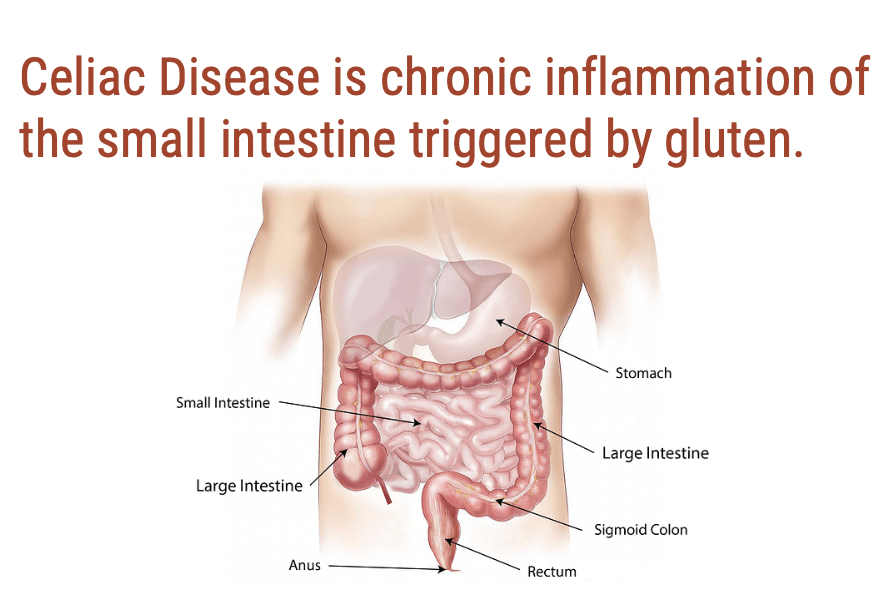
Celiac Disease is an autoimmune disorder of the small intestine that causes digestive problems. It is triggered by consumption of gluten containing products. A person can develop Celiac Disease at any age. It affects roughly 1% of US population. Family history of Celiac disease in first and second degree relatives as well as having other autoimmune disorders such as Type 1 Diabetes, autoimmune thyroid disease increases the risk of developing Celiac disease.
Symptoms of celiac disease
Celiac disease is often undiagnosed or diagnosed later in life due to the nature of vague symptoms.
Unintentional weight loss
Diarrhea
Fatty stool
Flatulence
Abdominal pain
Feeling tired or weak
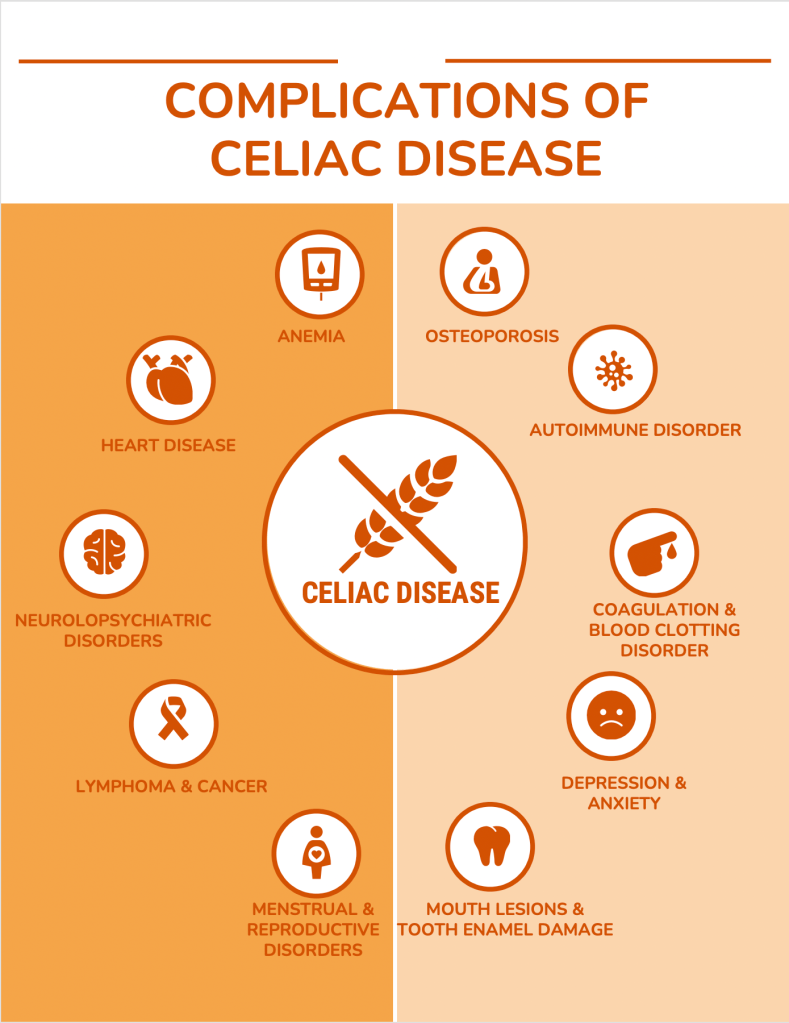
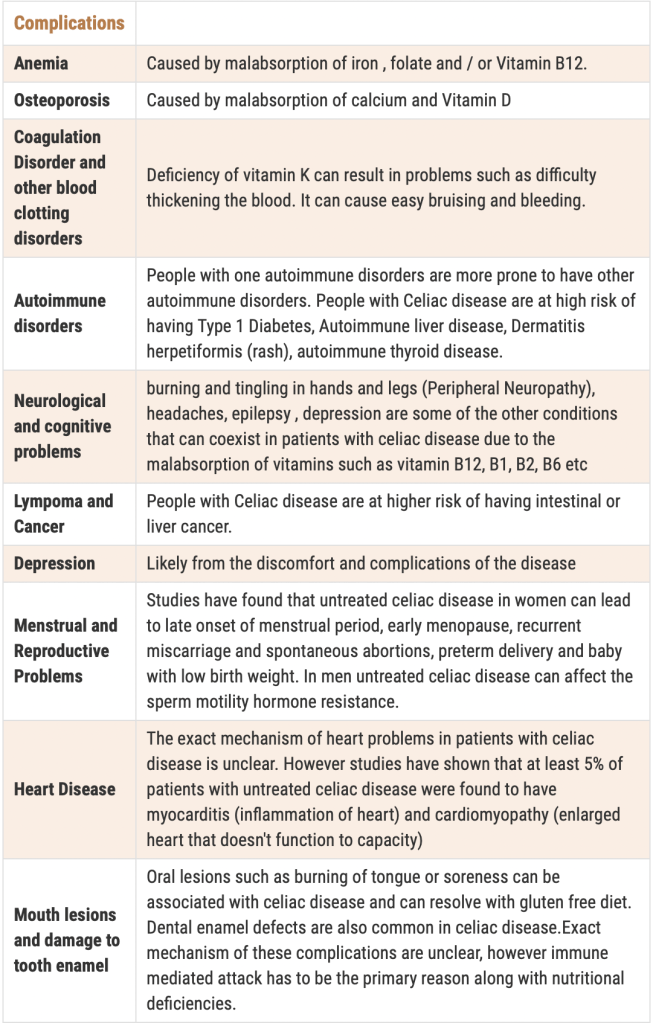
complications of celiac disease
Untreated celiac disease causes malabsorption of nutrients and therefore can contribute to many other comorbidities.
management of celiac disease
Glutten containing food is the trigger for Celiac disease and its complications. Avoiding Gluten in diet for life long can keep the disease under control and reduce the risks of other comorbidities. General American diet contains a ton of Gluten and therefore it takes serious commitment and lifestyle changes.
Avoid any foods containing Rye, Barley, Oats, Malt, Yeast and Wheat
Distilled alcoholic beverages and wine are safe to drink. However beers, ales and beverages that are not distilled should be avoided.
Many patients with celiac disease can also have lactose intolerance. Monitoring for worsening symptoms with dairy products can help avoid them and control the symptoms.
Following a gluten free diet is not easy. It needs a lot of attention and commitment. Transitioning from a regular diet to gluten free diet can take some time. However following a gluten free diet by a person with Celiac disease can see great improvement in their health. Many of us are not aware of the hidden gluten in some foods. It is important to check the ingredients when purchasing any food, especially the processed food.
Some food items that contain gluten and are often forgotten
Processed food
Broths, Soups, seasoning and sauces
Cereals
Burgers, meatloafs, sausages, deli meat, imitation meat
Flavored coffee and Tea
Speciality cheeses
Oats may be contaminated with wheat
frozen food
Many of the complications from celiac disease are due to nutritional deficiencies. Therefore it is important to replenish the nutrients that are lacking in these patients. Testing and treating Vitamin K, B1, B12, B6, Magnesium, Selenium, Iron , folic acid, since are necessary.
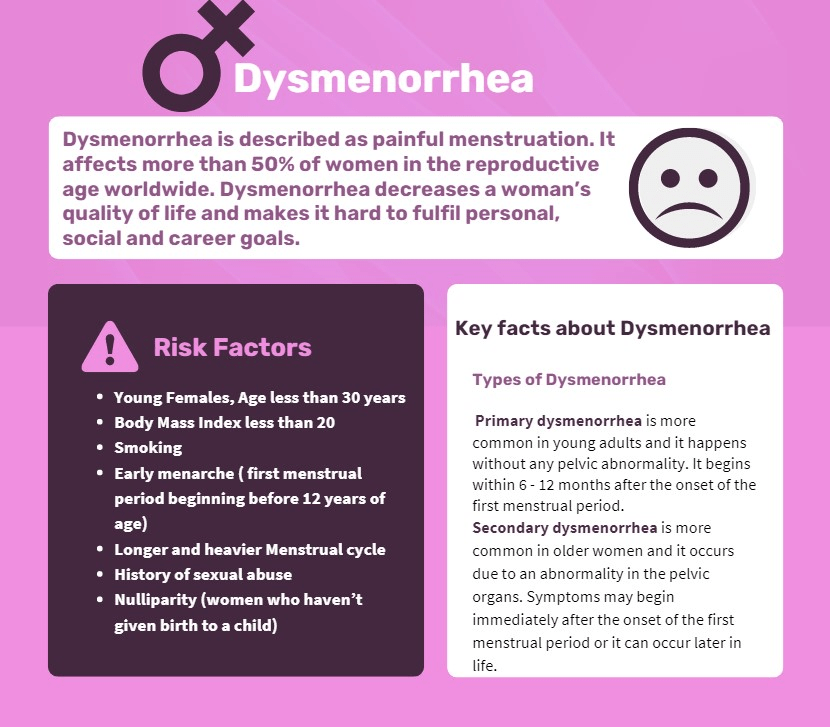
Dysmenorrhea is described as painful menstruation. It affects more than 50% of women in the reproductive age worldwide. Dysmenorrhea decreases a woman’s quality of life and makes it hard to fulfil personal, social and career goals. It is therefore very important to create awareness of dysmenorrhea and ways to manage the symptoms.
There are two types of dysmenorrhea. Primary and secondary dysmenorrhea. Primary dysmenorrhea is more common in young adults and it happens without any pelvic abnormality. It begins within 6 – 12 months after the onset of the first menstrual period. Secondary dysmenorrhea is more common in older women and it occurs due to an abnormality in the pelvic organs. Symptoms may begin immediately after the onset of the first menstrual period or it can occur later in life.
Risk Factors for Dysmenorrhea
Young Females, Age less than 30 years
Body Mass Index less than 20
Smoking
Early menarche ( first menstrual period beginning before 12 years of age)
Longer and heavier Menstrual cycle
History of sexual abuse
Nulliparity (women who haven’t given birth to a child)
Causes of Secondary Dysmenorrhea
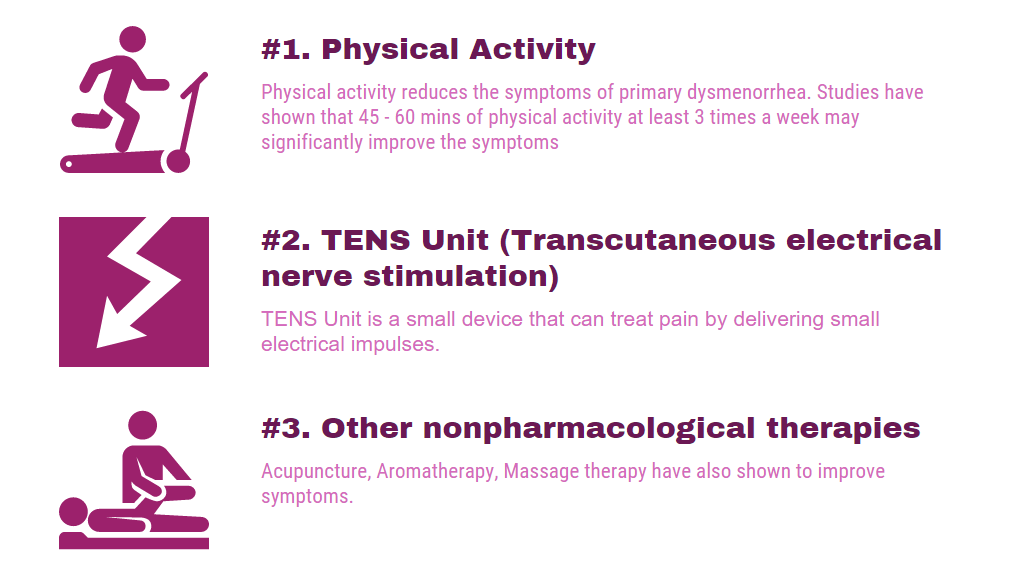
Management of Dysmenorrhea
For primary Dysmenorrhea treatment is aimed to provide comfort from cramping pain and symptoms. NSAIDS such as ibuprofen, Advil, Motrin, Naproxen, Aleve, etc provide better pain relief than Acetaminophen (Tylenol). Hormonal therapies such as hormonal contraceptives including pills, IUDs (Mirena), implantable devices (Nexplanon), depo provera injection, Patches and vaginal rings can also be beneficial in controlling symptoms. Same treatment options can also be used in secondary dysmenorrhea, however identifying and treating the cause of the secondary dysmenorrhea can be necessary in controlling the problem. This can include medical management or surgical options.
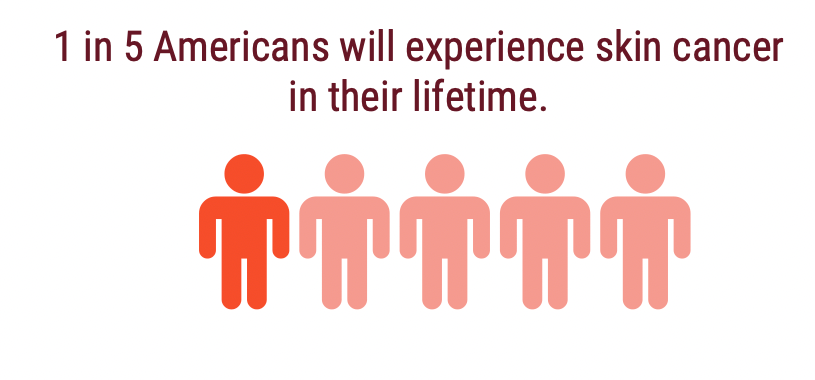
As per the American Academy of Dermatology approximately 1 in 5 Americans will develop skin cancer in their lifetime. More than 1 million Americans are living with skin cancer. There are two common types of skin cancer Melanoma and Non-Melanoma. Most common types of Non – Melanomas are Basal Cell Carcinoma and Squamous Cell Carcinoma. Skin cancers usually present as a rash / nodule or an ulcer that doesn’t heal that changes in size, shape and color.
WHO IS AT RISK OF DEVELOPING SKIN CANCER
Anyone can develop skin cancer. It mostly affects Older adults, however it can also occur in young adults. Although it can occur in any skin types, Light skin people are more at risk. In dark skin people it is often diagnosed later in stage and is often harder to treat. Before 50 years of age women are at high risk of developing skin cancer, however the risk of developing skin cancer for men increases to twice as high after age 65. People who have family history of skin cancer are at higher risk than the general population.
RISK FACTORS ASSOCIATED WITH SKIN CANCER
Exposure to UV radiation (Natural sunlight and artificial UV radiation)
Frequent sunburns
Exposure to tanning beds
Smoking
MORTALITY & SURVIVAL RATES
Basal Cell Carcinoma and Squamous Cell Carcinoma have good prognosis and have a very high chance of cure if detected and treated early. Localized melanoma without spreading to lymph nodes have a 5 year survival rate of 92% , however if it was diagnosed after spreading to lymph nodes the survival rate decreases to 25 – 65% depending on the stage. Recurrence rate of developing another skin cancer or recurring skin cancer is high.
PREVENTION
It is very important to seek medical help if you notice a rash, nodule, mole or ulcer that is not healing. Rate of cure and survival is increased if the cancer is diagnosed early and treated early. It is always better to practice preventive measures to decrease the risk of getting skin cancer.
Avoid Tanning beds
Apply Sunscreen
SELECTING & APPLYING SUNSCREEN
Broad spectrum sunscreen is necessary to cover both Ultraviolet A and Ultraviolet B range
Sun protection factor (SPF) of 30 or higher is needed especially for people who have increased sun exposure either by working or playing outside or relaxing in the sun.
If you are playing sports or participating in water activities it is important to use water resistant sunscreen
Sunscreen must be used in all body parts that is exposed to sun.
Sunscreen must be applied at least 15- 30 minutes before the sun exposure and need to be reapplied at least every 2 hours and after every water exposure.
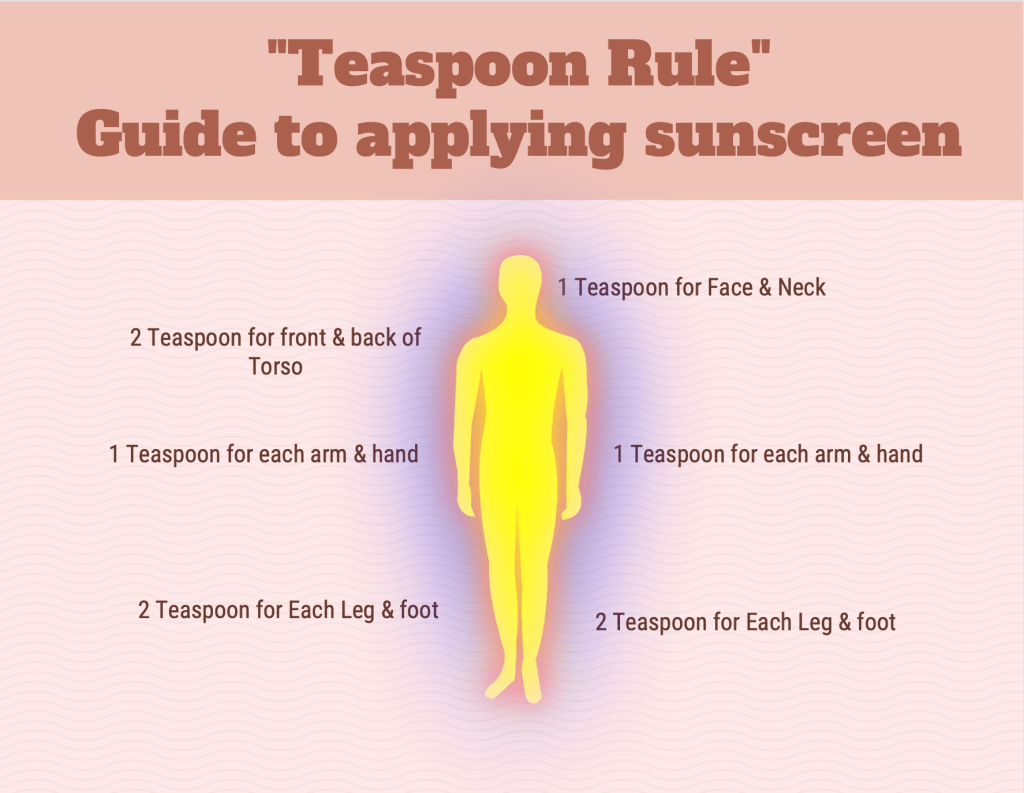
You can use the ” Teaspoon rule ” to make sure you get adequate sunscreen in your body. Teaspoon rule is considered as using 1 teaspoon of sunscreen to face and neck area, 1 teaspoon of sunscreen to each upper extremity (arms & hands), 2 teaspoon of sunscreen for front and back of the torso and 2 teaspoon of sunscreen to each lower extremities (legs & feet).
Psoriasis is an immune mediated chronic inflammatory skin disease and Psoriatic arthritis is defined by joint pain, swelling and inflammation in people who have psoriasis . Approximately 20-30% of people who have psoriasis also has Psoriatic Arthritis.
Psoriasis happens because of increased skin growth due to overactive immune system. Skin cells grow and shed as part of a normal cycle, in Psoriasis instead of cells shedding, new cells stack up on top of the old cells causing plaques.
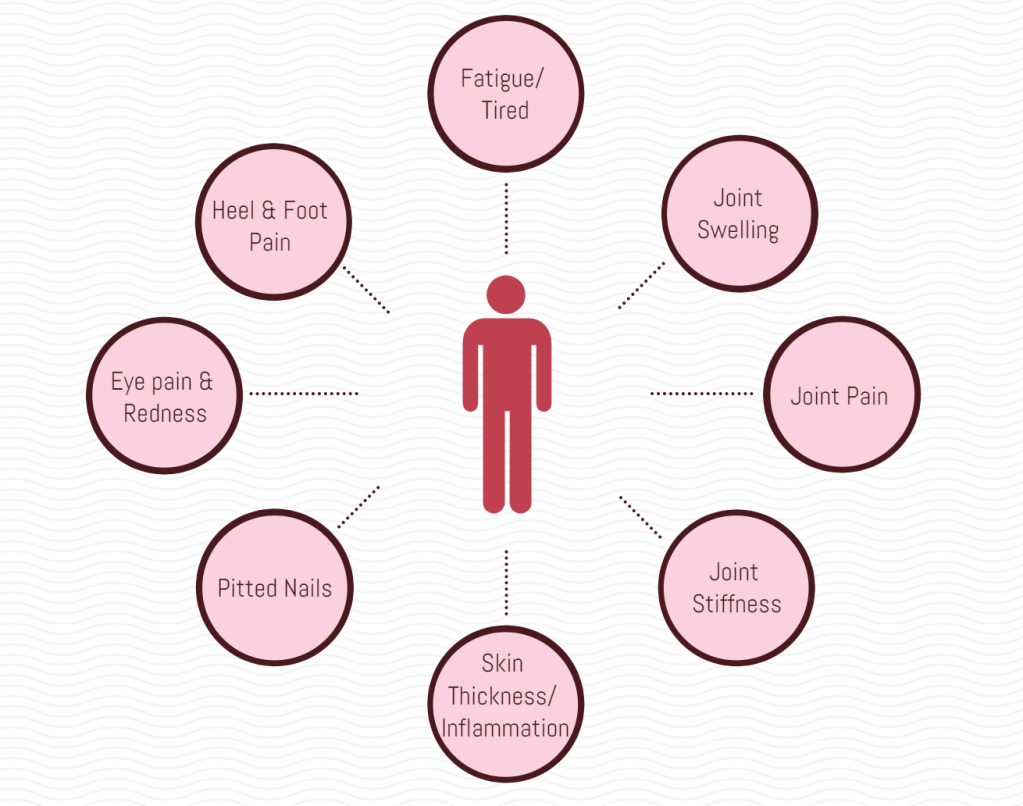
Overactive immune system can also cause inflammation in other parts of the body. When there is inflammation in the joints it causes swelling, stiffness and pain of the joints. This is called Psoriatic arthritis.
What are the symptoms of Psoriasis / Psoriatic arthritis?
Epidemiology and causes
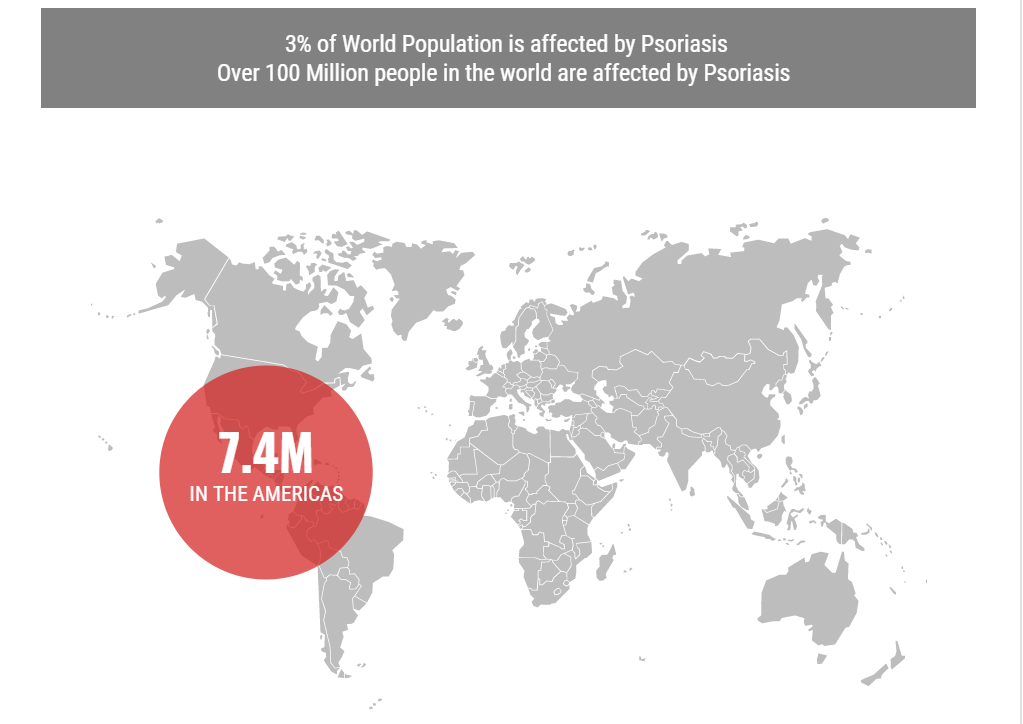
In 2013 it was estimated that 7.4 million adults in United States have Psoriasis and or Psoriatic arthritis. Approximately 100 million people were affected by Psoriasis in the world. Psoriasis can occur at any age, however it is less common in children. It affects men and women equally.
The exact cause of Psoriasis is still unknown. However Genetics and immune system plays a role in psoriasis. You can have psoriasis without any family history of immune disorders. Stress, Lack of sleep , Cold weather , illness, smoking, Heavy alcohol consumption can all trigger the flare up episodes.
PSORIASIS IS NOT CONTAGIOUS
How is Psoriasis treated?
Thick emollients – Thick creams such as petroleum jelly is recommended to keep the skin soft and moist. By keeping the skin soft and moist once can reduce itchiness and pain.
Corticosteroids – Topical corticosteroids can reduce inflammation and help with the patches and itchiness. Corticosteroids come in different strengths and potency, discuss with your doctor to find the best suitable potency for you. When steroid creams are used for a long period of time it can cause thinning of the skin and skin discoloration.
Topical Vitamin D – Topical Vitamin D analogs alone or in combination with other treatment can help with psoriasis.
Phototherapy- Phototherapy is provided by dermatologist where UV radiation is used to reduce the overgrowth of skin cells and to reduce the inflammation. There is a slight risk of skin cancer due to the UV radiation and careful monitoring is required by a professional.
Salt water bath – Bathing in sea water and exposing yourself to natural sunlight can help with psoriasis
How is psoriasis and psoriatic arthritis treated?
So far there is no cure that has been found for psoriasis or psoriatic arthritis. However there are treatment options available to treat the symptoms and to reduce or avoid flare ups. There are multiple clinical trials ongoing throughout the world to find a cure.
Temporary Pain relief
Anti Inflammatory medications such as NSAIDS (Ibuprofen, Advil, Motrin, naproxen, Alleve) can provide temporary relief with joint pain and stiffness
Steroids such as prednisone and methylprednisolone can also reduce the inflammation and treat the symptoms.
Applying heat to the affected joints can reduce the pain and stiffness, especially in the mornings
Physical Therapy can strengthen your muscles and help ease the weight on your joints. It can also help with increasing flexibility
Custom Orthotics are special shoe inserts that you can slip inside your shoes to provide additional support to your feet, heels and ankles.
Maintenance medications
There are maintenance medications your Rheumatologist can prescribe you to keep the symptoms under control and to avoid or reduce flare ups
Methotrexate is the first line medication that is commonly used and is called the disease modifying anti-rheumatic drug (DMARD). It comes in pills and injection. It works by suppressing the immune system. Patients who use methotrexate should not drink alcohol.
If methotrexate is not efficient for you or if you can’t tolerate the side effects there are other medications your doctor can prescribe for psoriasis and psoriatic arthritis.
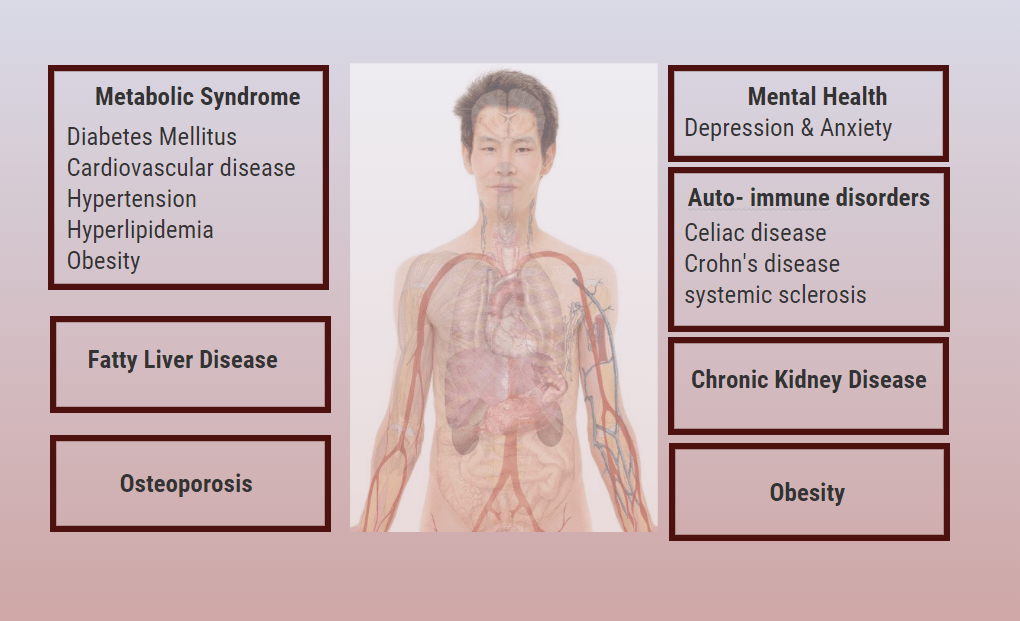
Comorbidities Associated with Psoriasis
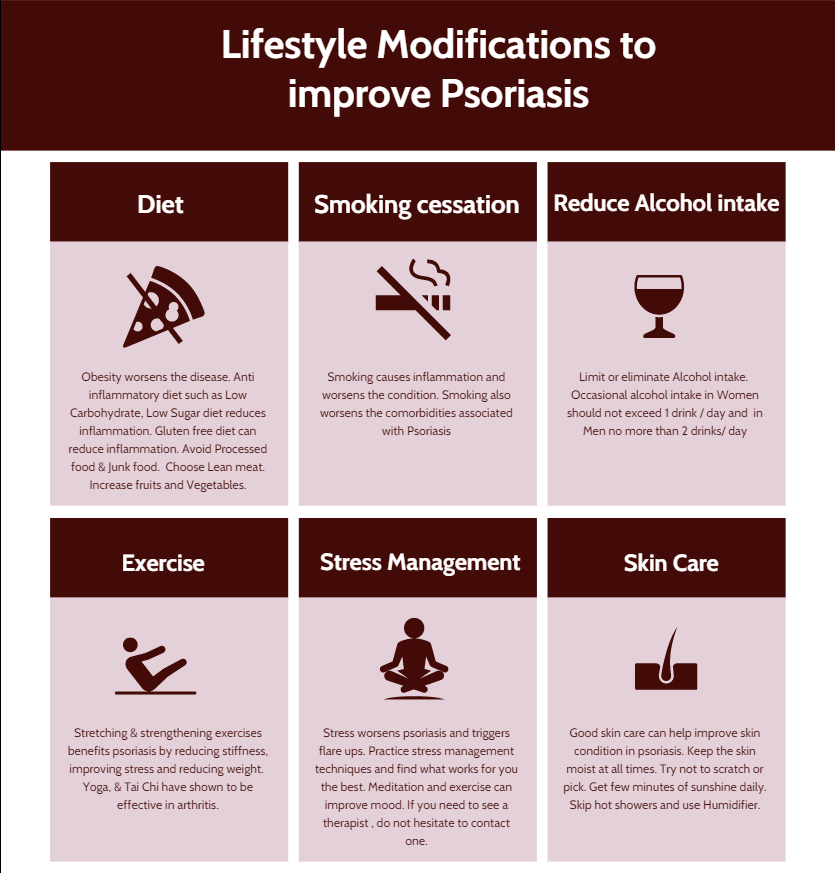
Lifestyle Modifications that are shown to Improve the disease
Proton Pump Inhibitors (PPI) are medications that are used to treat acid reflux and Gastric ulcers. They work by stopping/ reducing the acid production in the stomach. Although stomach acid is essential for digestion and absorption of food and nutrients, excess stomach acid can damage the stomach lining and cause Gastric ulcers, dyspepsia , acid reflux and Barrett’s esophagus (which can turn into esophageal cancer). Omeprazole (prilosec), Pantoprazole (Protonix) , esomeprazole (Nexium) are some of the PPIs that are widely used by people.
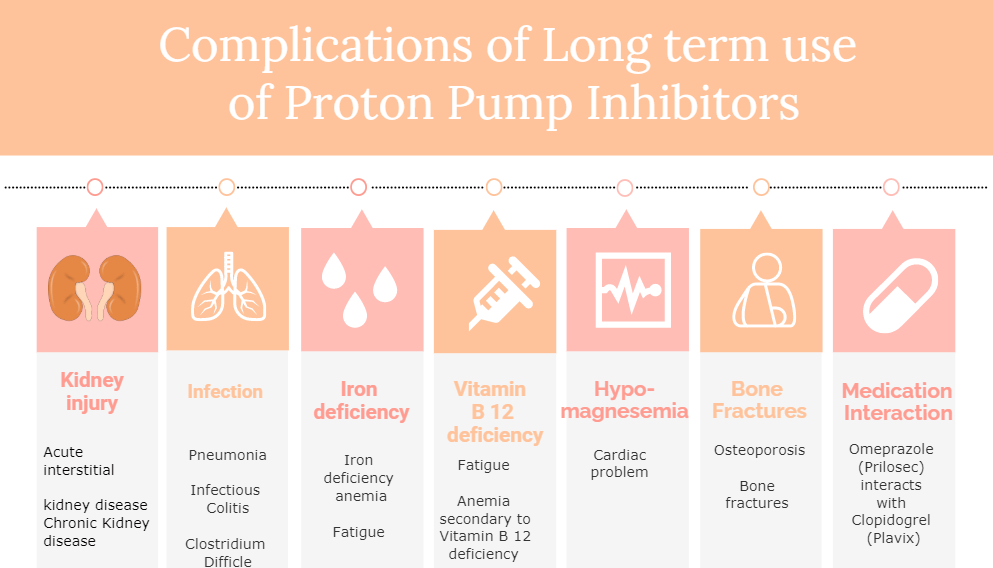
Complications of long term use of PPI
Acute interstitial nephritis or CKD
It is unclear how PPI use can cause CKD or interstial nephritis
Pneumonia
Long term PPI use alters the stomach acidity and thereby cause a disruption in stomach bacteria. This increases the risk of pneumonia.
Increased GI infection
Long term PPI use alters the stomach acidity and thereby cause a disruption in stomach bacteria. This can lead to Infectious colitis or Clostridium difficle infection.
Iron Deficiency
Stomach acid is necessary for absorption of certain minerals and vitamins. By inhibiting stomach acid the absorption of iron is impaired and thereby it causes iron deficiency anemia.
Vitamin B12 deficiency
Stomach acid is necessary for absorption of certain minerals and vitamins. By inhibiting stomach acid the absorption of Vitamin B12 is impaired. This can lead to feeling fatigue / Tired and anemia secondary to vitamin B12 deficiency
Bone fracture
Stomach acid is necessary for absorption of certain minerals and vitamins. By inhibiting stomach acid the absorption of calcium is impaired. Calcium is necessary for bones. Calcium impairment can lead to osteoporosis (fragile bones) that can easily fracture.
Hypomagnesemia
Stomach acid is necessary for absorption of certain minerals and vitamins. By inhibiting stomach acid the absorption of magnesium is impaired. Magnesium is essential for many important body functions including cardiac activity .
Medication interaction (omeprazole reduces the effectiveness of clopidogrel)
Clopidogrel is a medication that prevents blood vessels from clogging. This medication absorption is affected by omeprazole (a PPI). Other Proton Pump Inhibitors don’t affect the absorption of clopidogrel (Plavix).
If you’re on a PPI don’t discontinue without consulting with your doctor. All medications have some side effects, but discuss with your doctor to see if the benefits of medication outweighs the risks in your situation. Rapidly stopping the PPI can cause rebound acid reflux symptoms. If you’re taking a PPI for acid reflux , try to change your diet and control the symptoms with lifestyle modifications as much as possible to reduce the use of medications and to reduce the risk of side effects.
Peripheral Artery Disease (PAD) is a medical condition in which blood supply to the outer parts of the body is interrupted. Normally Blood vessels act like a pipeline and carries blood to other parts of the body. In PAD, fatty plaques build up inside the blood vessels causing them to narrow down or getting blocked.
Normal blood vessel and Peripheral artery disease
Who are at high risk to develop PAD?
Patients with Diabetes
Smokers
Patients with high cholesterol
Patients with High Blood Pressure
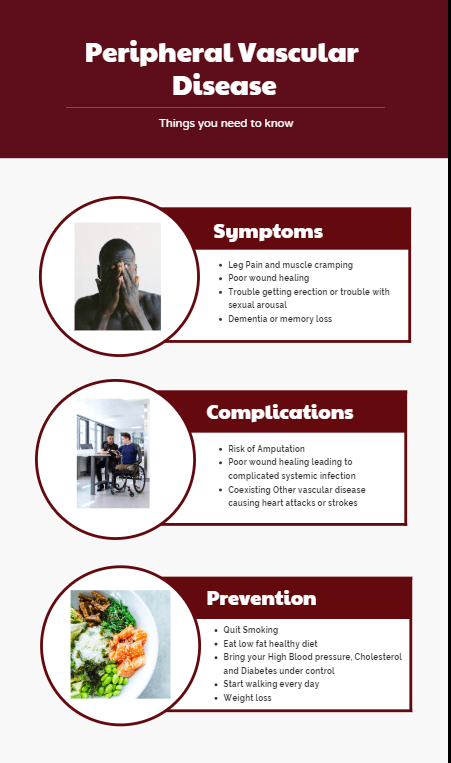
Symptoms of PAD
Leg Pain and muscle cramping
Muscles need oxygen to function and the oxygen is carried by the hemoglobin cells in the blood. when blood flow is obstructed by these fatty plaques, patients can experience muscle cramp worsening with exercise and relieves with rest.
Poor wound healing
Lack of blood flow to the extremities prevent immunoglobulins and nutrients to reach the wounds. Without the immunoglobulins, oxygen and nutrients wound healing process slows down and sometimes worsen.
Trouble getting erection or trouble with sexual arousal
Poor blood flow to the genital organs contribute to poor sexual function.
Dementia or memory loss
By blocking the blood vessels (cerebral artery ) that carry blood to the brain PAD contributes to inability to concentrate, memory loss, dementia and personality changes
How can you prevent from developing PAD
Quit Smoking
Eat low fat healthy meals
Bring your High Blood pressure, Cholesterol and Diabetes under control
Start walking every day
Weight loss
Treatment options for PAD
Medications such as Cilastazol and Aspirin can be used to thin the blood and increase blood flow
Cholesterol lowering medications such as “Statins” can be used to prevent worsening of peripheral artery disease
If medications fail and / or severe PAD a metal stent can be placed in the blood vessel to keep it open and to increase the blood flow.
Bypass surgery – a blood vessel from a different part of the body is removed and placed above and below the area that is clogged.
Why is it important to make lifestyle changes ?
Poor wound healing
As mentioned above, when there is lack of blood supply wound doesn’t heal well. The longer it takes for the wound to heal the more discomforts it will cause. Some of the complications include Worsening pain, worsening ulcer with malodorous discharge, wounds getting bigger in size and depth, infection spreading to the bones.
Risk of Amputation
Without oxygen and nutrients cells of the body cannot survive. with time parts of the body start to die and decay leading to amputation of the extremities as the only option to prevent death.
Other vascular disease
If one blood vessel is starting to clog, other blood vessels can clog as well. when the blood vessel in the heart clogs it leads to heart attack and even death. Clogging of the blood vessels in the brain can lead to stroke and residual deficits from the stroke.
2/3 Of Americans are Overweight or Obese. It costs 147 Billion dollars a year for health care cost due to complications from Obesity. Obesity is defined by a BMI of 30 or more. Studies have shown a close relationship between weight and medical comorbidities. Weight is a sensitive topic for many people. Being overweight or Obese affects your quality of life and limits your health and activities.
Complications due to Obesity
High Blood Pressure
Diabetes Mellitus
High Cholesterol
Heart Attack
Heart Failure
Sleep Apnea
Non Alcoholic Fatty Liver Disease
Polycystic Ovarian Syndrome
Venous Stasis
Acid Reflux
Urinary Incontinence
Degenerative Joint disease (Arthritis)
Infertility
Migraines
Depression
Stroke
Gall Bladder Disease
Certain type of Cancers
And many more………………………………………………..
Lifestyle Modifications
Diet and Exercise are the cornerstone in the management of obesity. Without changing your diet and activity level, any other medications or surgeries that you pursue will only provide a short term weight loss.
Diet
Reducing the daily calorie intake by 500 Kcal/ day itself can help you lose weight when done in a consistent manner. One needs to cut down 3500 Kcal to lose 1 lb of weight. Daily calorie requirement for women is 1200 – 1500 Kcal / day and for men 1500 – 1800 Kcal / day. There are many popular diet programs available (Intermittent fasting, Mediterranean diet, Keto diet, Atkins, South beach diet etc) , however no diet is shown to be superior than other.
So pick a diet that you can adhere to and stick to it for better results.
Exercise
Any exercise is better than no exercise! Burning 3500 KCal helps you lose 1 lb of weight. Minimum requirement for healthy lifestyle is at least 150 mins of Aerobic activity such as running, swimming, Cycling per week and resistance training such as weight lifting, Squats, etc at least twice a week.
There are many variety of exercise activities available including but not limited to Boot camp, Yoga, Pilates, Zumba, Martial Arts, spinning class etc. Pick something that interests you and be compliant with it. It will not only help with weight loss but also help with increasing mobility and quality of life.
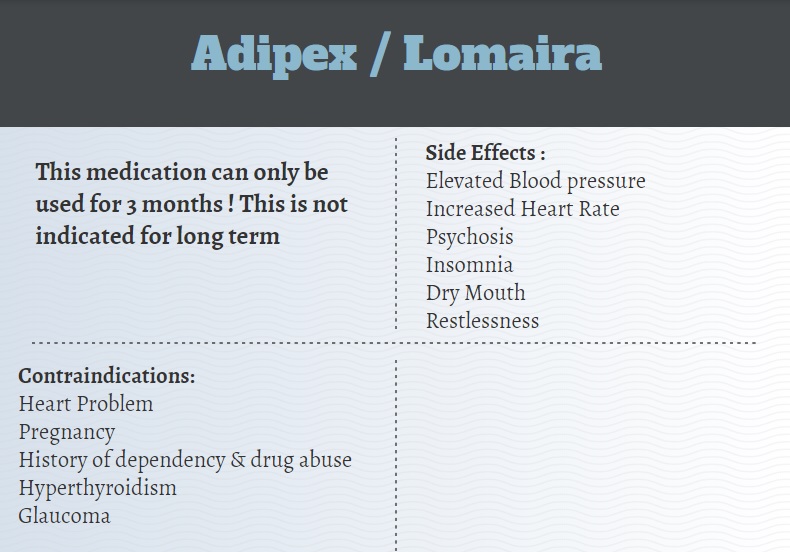
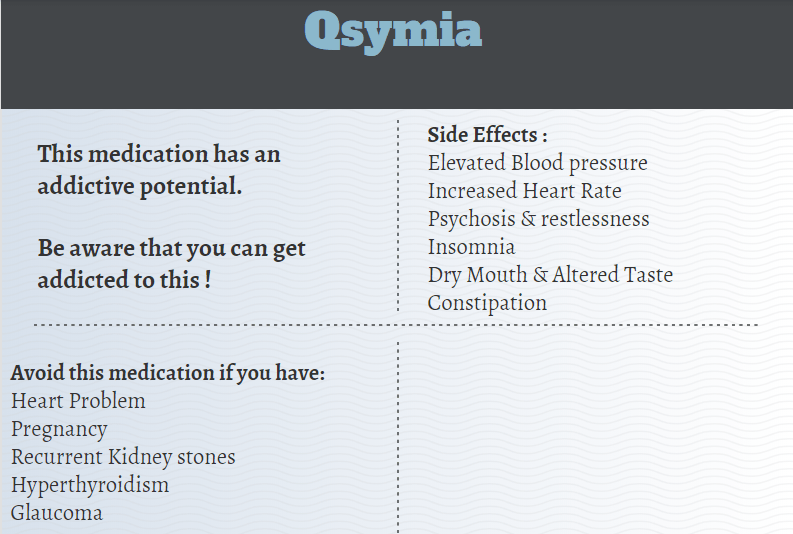
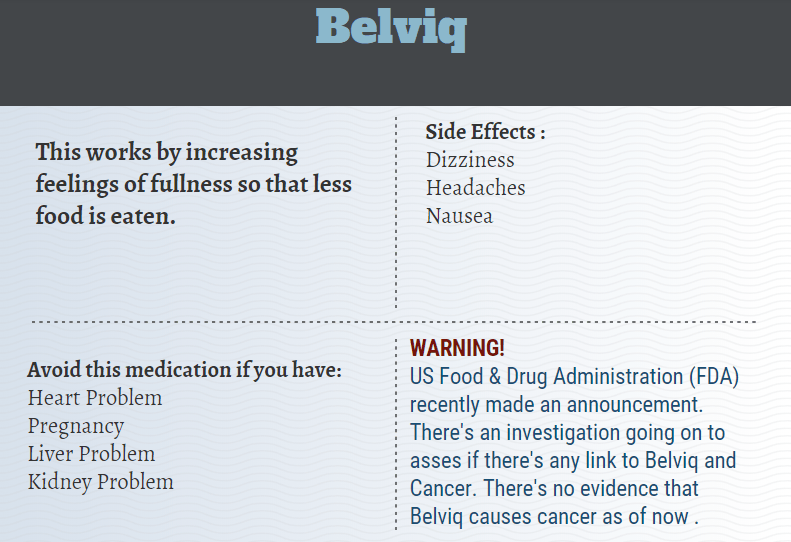
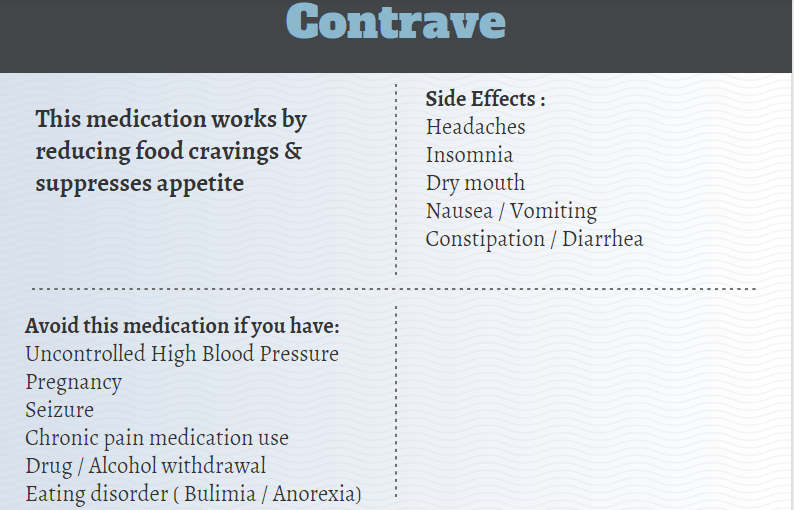
Medications for Weight loss
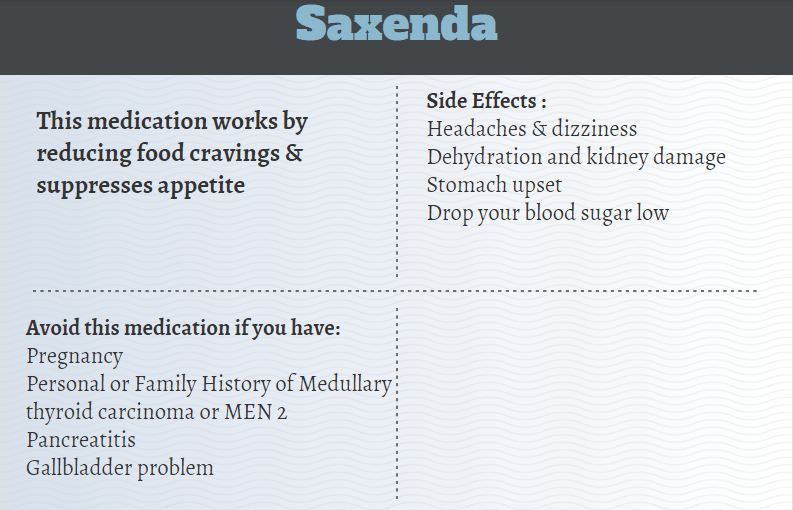
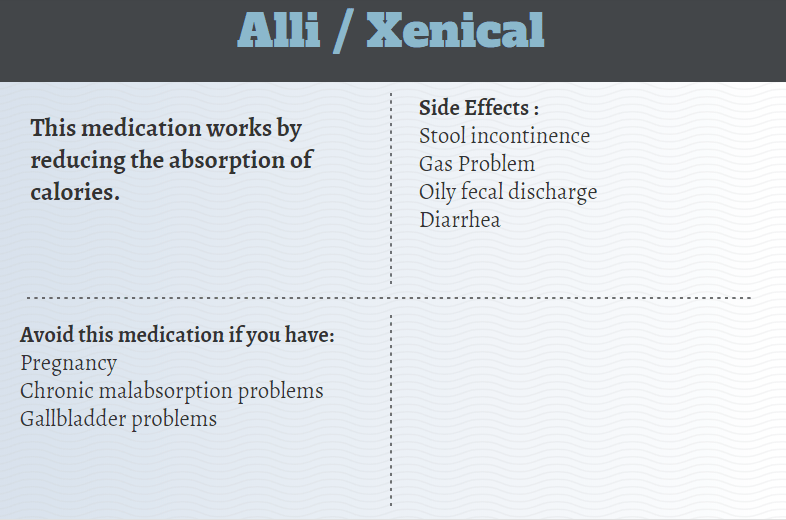
Medications alone is NEVER the answer for weight loss. If you think you can lose weight and maintain it just by taking 1 more medication, you will be disappointed very early. Medication gives a boost to help lose weight when you combine it with lifestyle modifications. Anything that you put in your body can give you some side effects. It is important to weigh the risks and the benefits prior to deciding the best option for you.
Urinary incontinence is involuntary leakage of urine. It is a common problem that affects the quality of life of many women by causing increased depression and anxiety, Increased risk of urinary tract infections, increased risk of falls from frequent rushing to the bathroom and skin infections. Although it is mostly seen in Older women, younger women can experience symptoms as well.
Types of Urinary Incontinence
There are 2 main type of Urinary Incontinence in women. Stress Incontinence and Urge Incontinence. There are other less common types of incontinence such as over flow incontinence, mixed incontinence and functional incontinence.
Stress Incontinence
Stress incontinence happens when there is weakening of muscles in the pelvic floor and around the urethra causing it to leak urine when there is increased pressure. Activities such as laughing, sneezing and coughing increases the abdominal pressure leading to involuntary leakage of urine. It is Common among women who had one or more vaginal deliveries and Obese females.
Weight loss decreases the abdominal pressure and improves incontinence
Treating constipation also improves incontinence by reducing abdominal pressure
Smoking Cessation is known to improve incontinence
Pelvic floor exercises such as Kegel Exercises can strengthen the pelvic floor
If conservative management fails, you can discuss with your doctor about pessaries or other surgical options available.
Urge Incontinence
It is also known as overactive bladder problem. People with this condition feels the urge to urinate more frequently and may have involuntary leakage on the way to the bathroom. Frequency of urination is also increased and may have to wake up multiple times in the middle of the night to urinate.
Alcohol, Drugs and Caffeine are some of the substances that can contribute to urge incontinence.
Weight loss decreases the abdominal pressure and improves incontinence
Treating constipation also improves incontinence by reducing abdominal pressure
Avoiding Caffeine , alcohol and smoking cessation
Bladder training is the most beneficial conservative management for urge incontinence
Appropriate fluid intake by avoiding excessive fluid intake at night
Scheduled bathroom breaks to avoid involuntary urination
Kegel Exercises
If conservative management fails, you can discuss with your doctor about medications to reduce bladder spasms, other procedures such as Botox or other surgical options available.
Guide for Bladder Training
when you experience the urgency to urinate, remain still
Focus on reducing the urgency to urinate by distracting your self and relaxation techniques that work for you
Once the feeling of urgency is controlled walk slowly to the bathroom
Kegel Exercise
Kegel exercise is performed by contracting and relaxing the pelvic muscles.
Initially practice kegel exercises by holding the urine during urination and releasing it without using the abdomen, buttocks or thigh muscles.
When you contract the pelvic muscles hold the contractions for atleast 6 seconds before relaxing.
Once you practice to isolate pelvic muscle and perform the contraction and relaxation you can exercise three sets of 10 contraction 2-3 times a week .
Once you master the technique slowly increase the time of contraction from 6 seconds to at least 10 seconds.
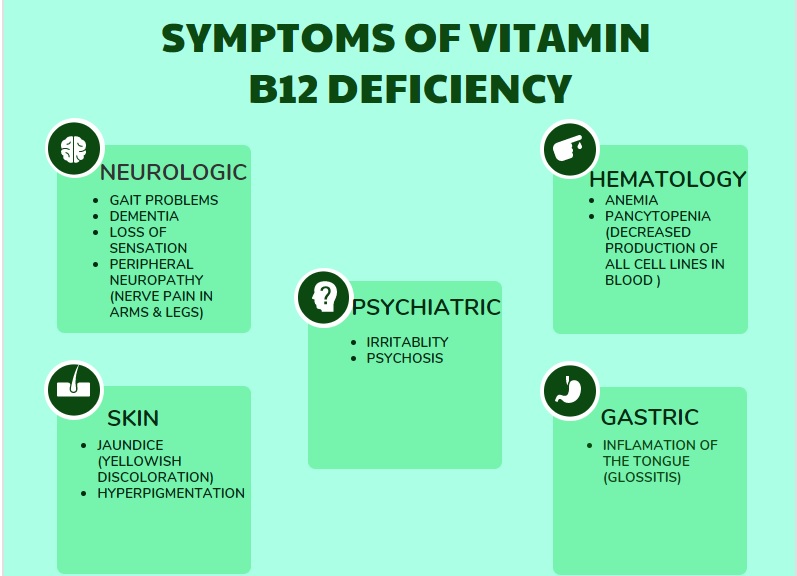
Vitamin B12 is a water-soluble vitamin that can be acquired by eating fish, meat, dairy products, fortified cereals and supplements. It is important for neurological functions, Red blood cell production and for the synthesis of DNA. There is no need to screen for vitamin B12 deficiency in asymptomatic adults.







 Mediculous