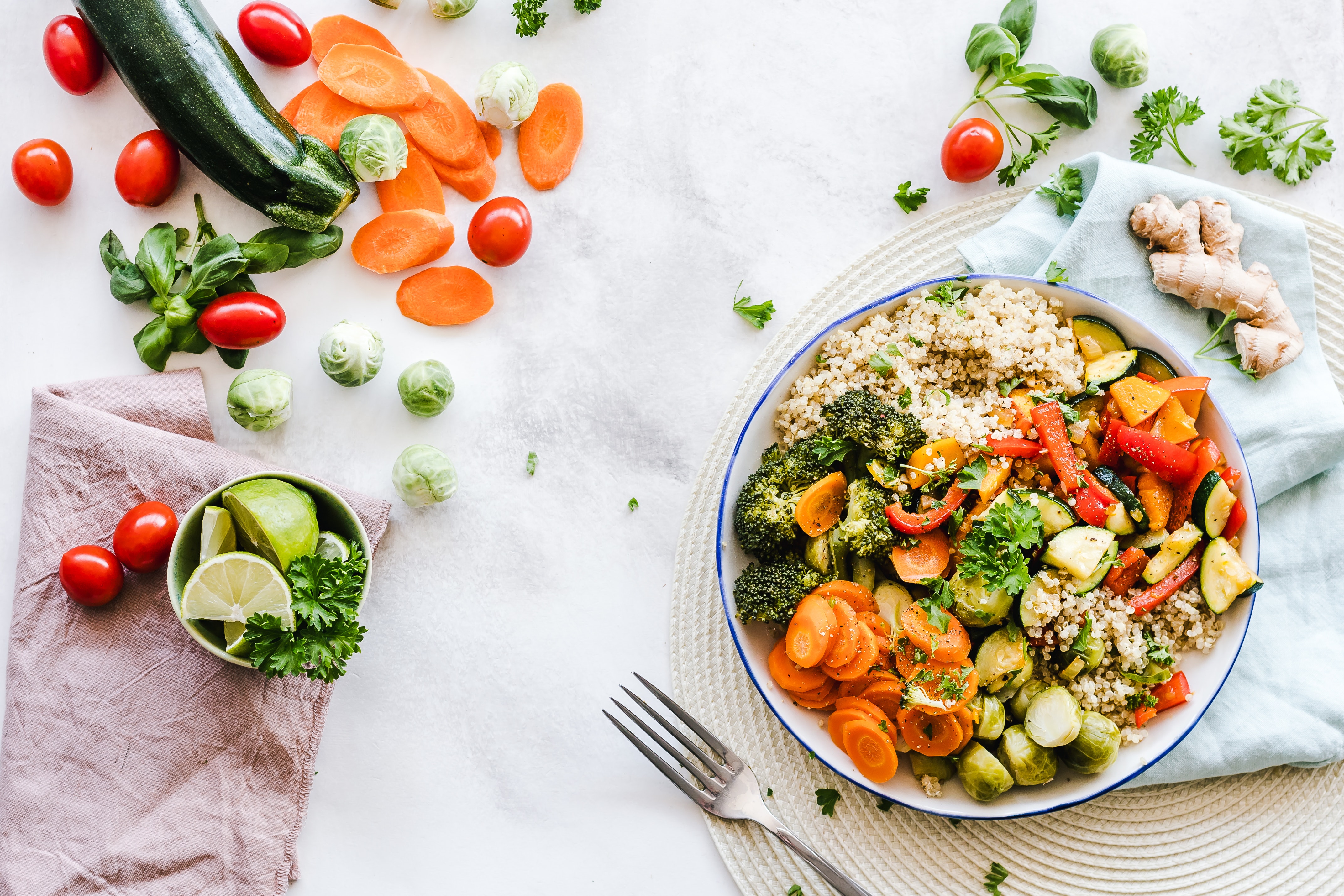
Do you have Diabetes or Pre-Diabetes? Are you eating right?

Role of diet in diabetes

Diet plays a major role in the treatment of Diabetes In addition to medication . By making changes in the diet you will not only be able to bring your blood sugar under control but you will also be able to prevent long term complications such as kidney problem, heart problem and problems with vision. During my clinical experience I have seen many patients who brought their Hemoglobin A1C (blood sugar) under control and avoided the need to use insulin just by making healthy lifestyle choices and losing weight. Weight gain can cause increased insulin resistance and worsen Diabetes.  Most of the time people don’t realize that there are more food groups other than just sugars and desserts that are bad for a diabetic patient.  

What should your blood glucose levels be?  

Target Blood Glucose Levels for People with Diabetes Before meals should be between 70 mg/dl to 130 mg/dl. Postprandial or 1 to 2 hours after the start of a meal should be less than 180 mg/dl.  

what can you eat?

  • Lean proteins such as meats, eggs, legumes, fish, nuts and seeds provide building blocks for the most components in the body. Because they take time a long time to break down they keep us full longer so stop us reaching for quick sugary snacks. 
  • Healthy Fats such as fish, avocado, olive oil, nuts and seeds, eggs, coconut oil, butter and ghee increase satiety and balance blood glucose. 
  • Fiber from vegetables, seeds, nuts and legumes plays a big part in keeping you full (without loads of calories), supports detoxification and helps balance blood glucose by slowing the rush of sugar into your blood stream.  

How about carbohydrates (carbs) ?

Carbohydrate food group can be further divided based on the glycemic index.

Food with high Glycemic Index raises blood glucose more than food with a medium or low Glycemic index. If you are eating food with a high glycemic Index, you can combine it with low Glycemic Index foods to help balance the meal. 

Foods with High Glycemic Index

  • White bread or bagel 
  • Corn flakes, puffed rice, bran flakes, instant oatmeal 
  • white rice, rice pasta, macaroni and cheese from mix 
  • Russet potato, pumpkin 
  • Pretzels, rice cakes, popcorn, saltine crackers 
  • melons and pineapple 

FOODS WITH Medium GLYCEMIC INDEX

  • Whole wheat, rye and pita bread 
  • Quick oats 
  • Brown, wild or basmati rice, couscous 

FOODS WITH low GLYCEMIC INDEX

  • Pumpernickel bread 
  • Oatmeal (rolled or steel-cut), oat bran, muesli 
  • Pasta, converted rice, barley 
  • Sweet potato, corn, yam, lima/butter beans, peas, legumes and lentils 
  • Most fruits, non-starchy vegetables and carrots 

Ideal Diabetic Plate 
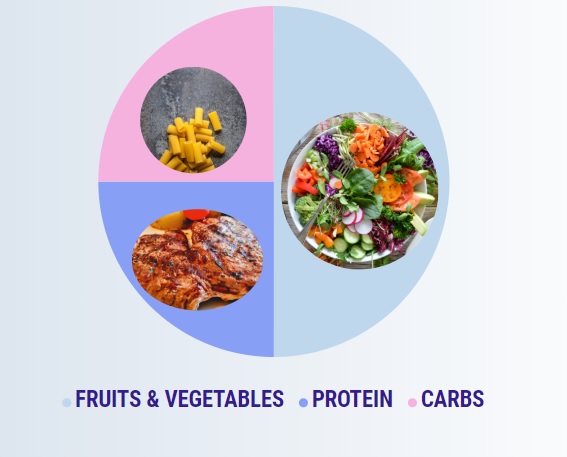
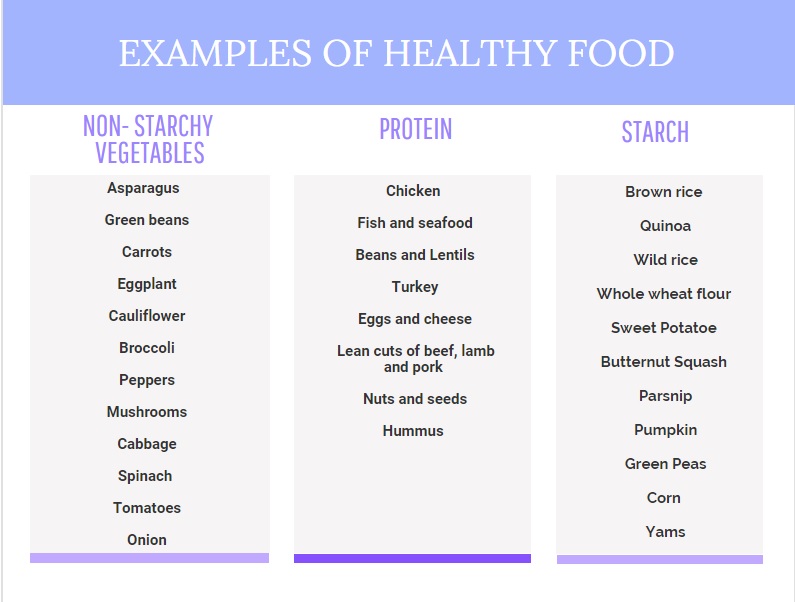
  • Half the plate should contain non-starchy vegetables, like salad, green beans, broccoli, cauliflower, cabbage, and carrots. 
  • 1/4th of the plate should contain a grain or starchy food such as bread, noodles, rice, corn or potatoes. 
  • Other 1/4th of the plate should contain protein, like fish, chicken, lean beef, tofu, or cooked dried beans. 
What can you drink? 

  • Water, Water, Water!! There is nothing as good as water.  
  • If you’re tired of drinking just water you can either try the sparkling water to get carbonated flavor or try adding the flavor packs (they are very low in calories 5-10 calories).  
  • Even better you can make homemade infused water with your favorite fruit flavors. To make infused water, simply put water in the fridge with cucumbers, strawberries, fresh mint for a refreshing low-calorie drink. 
  • If you drink milk choose low-fat 1% or fat-free milk 
  • If you absolutely have to drink pop or soda, Diet pop or diet soda is a good alternative to regular soda.  
  • Naturally derived sweeteners, stevia (Truvia, PureVia) and agave nectar, offer other sweetening options.  

What should you be avoiding? 

  • Saturated fats. High-fat dairy products and animal proteins such as beef, hot dogs, sausage and bacon contain saturated fats. 
  • Trans fats. These types of fats are found in processed snacks, baked goods, shortening and stick margarines. Avoid these items. 
  • Bad Cholesterol. Sources of cholesterol include high-fat dairy products and high-fat animal proteins, egg yolks, liver, and other organ meats.  
  • Sodium. Aim for less than 2,000 mg of sodium a day.  
  • Unhealthy sugars. Avoid pop, sugary juices, deserts that are high in sugar 

Tips and strategies for meal planning

  • Eating small frequent meals can avoid hypoglycemic episodes in addition to overeating the next meal 
  • Check food labels to help you make smarter choices 
  • Plan meals ahead and avoid picking meals last minute to satisfy your hunger  
  • Remember to stop eating when you start feeling full 
  • Replace fried foods with steamed or grilled foods 
  • Replace desserts with fresh fruits  
  • Watch your portion sizes  
  • If you chose to drink, drink in moderation (less than 2 drinks/day for men and 1 drink for women) 
  • Remove the skin from chicken or turkey to avoid excess fat  

Resource Links 

ACID REFLUX

Acid reflux is when the acid that is normally in your stomach backs up into the esophagus (tube that carries food from your mouth to your stomach). It is also known as Gastroesophageal Reflux disease or GERD.

sYMPTOMS OF ACID REFLUX

  • Burning sensation in the chest (heart burn) 
  • Cough 
  • Burning in the throat or an acid taste in the throat 
  • Stomach pain 
  • Trouble swallowing 
  • sore throat or hoarseness 
  • Recurrent lung infection 

Behavioral modifications TO MANAGE Acid Reflux

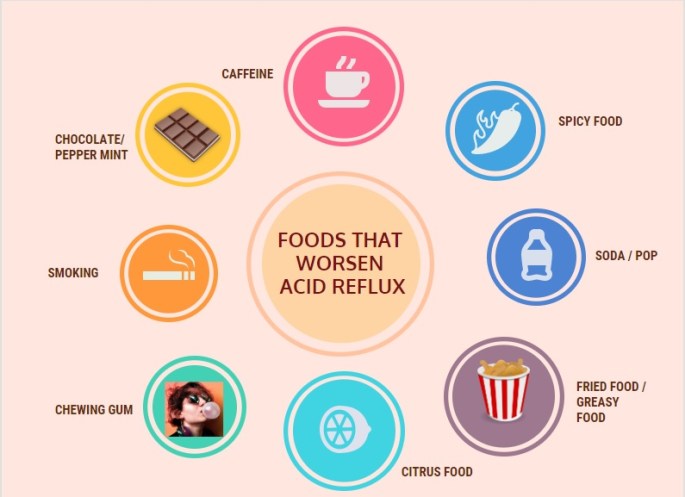
  • Avoid certain food and beverages such as caffeine, peppermint, spicy food, greasy food, chocolate, Soda, pepper, citrus food, chewing gum and alcohol   
  • Avoid smoking 
  • If you’re overweight, losing weight can help control acid reflux symptoms 
  • Avoid medications such as ibuprofen (also known as Motrin / Advil), Aspirin
  • Avoid going to bed soon after eating (avoid going to bed at least 3 hrs. after eating), when going to bed elevate the head of the bed by 6 to 8 inch  
  • Avoid tight fitting clothes  

MEDICAL MANAGEMENT OF ACID REFLUX

  • Over the counter antacids such as Tums can neutralize the stomach acid and provide relief 
  • For persistent symptoms your doctor can prescribe antihistamines such as Zantac or Pepcid or Proton pump inhibitor such as Prilosec / Nexium / Protonix 
  • Proton pump inhibitors are the most effective medications in the treatment of GERD, however they also contain a lot of adverse effects. When taken for a long time it can cause bone loss, it can increase certain infections.

What if symptoms persist despite medication and behavioral modifications? 

If the symptoms persist despite medications and behavioral modifications or if you experience unintentional weight loss, feeling of food getting stuck, vomiting blood or blood in stool your doctor will order Endoscopy to rule out more serious medical conditions.  

An upper endoscopy is commonly used to evaluate the esophagus. A small, flexible tube is passed into the esophagus, stomach, and small intestine. The tube has a light source and a camera that displays magnified images. Damage to the lining of these structures can be evaluated and a small sample of tissue (biopsy) can be taken to determine the extent of tissue damage. 

complications of long term uncontrolled GERD

  • Ulcer – Ulcers can form in the esophagus as a result of burning from stomach acid.  
  • Stricture –  Damage from acid can cause the esophagus to scar and narrow, causing a blockage (stricture) that can cause food or pills to get stuck in the esophagus. 
  • Barret’s Esophagus – During repeated exposure of stomach acid in the esophagus there is a risk of esophagus lining (squamous cells) to change into a different type of cell (intestinal cell). This change has a potential to develop into cancer cells 
  • Esophageal cancer  

Cervical Cancer Screening

Pap test is used to screen for early signs of cervical cancer. Globally, cervical cancer accounted for an estimated 528,000 new cancer cases worldwide and for 266,000 deaths in 2012. Cervical cancer is the third most common cancer diagnosis and cause of death among gynecologic cancers in the United States. In the United States, almost 13,000 new cases of invasive cervical cancer and approximately 4100 cancer-related deaths occur each year.  

Risk Factors for Cervical Cancer

  • Early onset of sexual activity  
  • Multiple sexual partners 
  • A high-risk sexual partner (ex, a partner with multiple sexual partners or known HPV infection) 
  • History of sexually transmitted infections (ex, Chlamydia infection, genital herpes) 
  • History of vulvar or vaginal neoplasia or cancer (HPV infection is also the etiology of most cases of these conditions) 
  • Immunesuppression (ex, human immunodeficiency virus infection – HIV) 
  • Smoking  

What is a Pap test? 

To do a Pap test, your doctor will push apart the walls of your vagina using a device called a speculum. Then, your doctor will use a small tool to gently scrape cells from your cervix. This process can be uncomfortable but should not hurt. Taking deep breath and trying not to clench the vaginal muscles will help ease the process. The pathologist will then look at the cells under a microscope to see if they are abnormal. 

When should a woman start having Pap tests? 

Women should start having Pap tests when they turn 21. They do not need to be sexually active before they start getting Pap tests. Until 30 years of age pap test is performed every 3 years as long as the results are within normal limits. When they turn 30, their doctors might also suggest doing another test to check for cervical cancer, called an HPV test. When pap test is combined with HPV test it increases the accuracy and therefore can be repeated every 5 years if the results are normal.  

Women age 65 and older should stop having Pap tests if they meet all of these requirements: 

  • They have never smoked. 
  • They do not have a new sex partner since their last Pap test. 
  • They had Pap tests done regularly until they turned 65. 
  • They had 3 normal Pap tests in a row. 
  • They had no abnormal Pap tests in the past 10 years. 

Do you need to get Pap tests if you had the HPV vaccine? 

Yes. You still need to get Pap tests if you got the HPV vaccine.  Getting the HPV vaccine reduces your chances of getting cervical cancer since the virus that causes the cervical cancer is HPV. But it does not completely protect you. You still need to have pap test to check for cancer. 

Do you need to get Pap tests if you had a hysterectomy?  

There are two types of Hysterectomy, complete and partial. Cervix is removed along with the uterus in complete hysterectomy and in that case, you will no longer need pap test as long as there are no abnormal pap test in the past. However, if you have partial Hysterectomy with the cervix intact, you still need pap test.  

What can you do to prevent Cervical cancer?  

  • Avoid Smoking 
  • Avoid Multiple sexual partners
  • Get HPV Vaccine if you are in the age range
  • Get tested for HPV and cervical abnormality
  • Use Condom for sexual intercourse


ORGAN DONATION

  • Every 10 minutes a person is added to the Transplant waiting list
  • More than 100,000 patients were listed on the transplant waiting list in USA as of 2019
  • 20 people die each day waiting for a transplant
  • Every day about 80 people receive organ transplant in USA

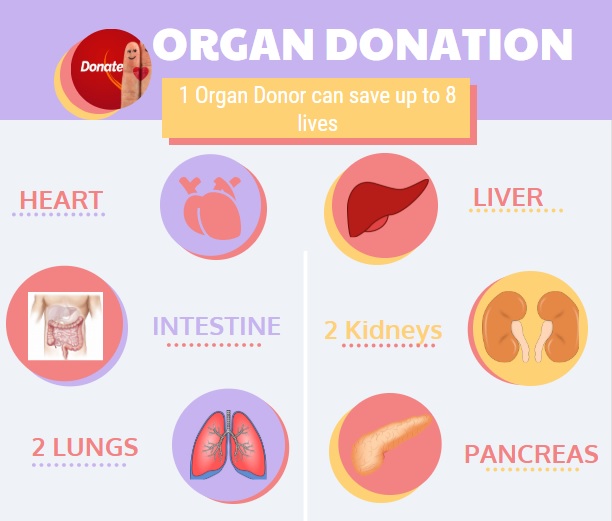
Do you know that 1 organ donor can save up to 8 lives !

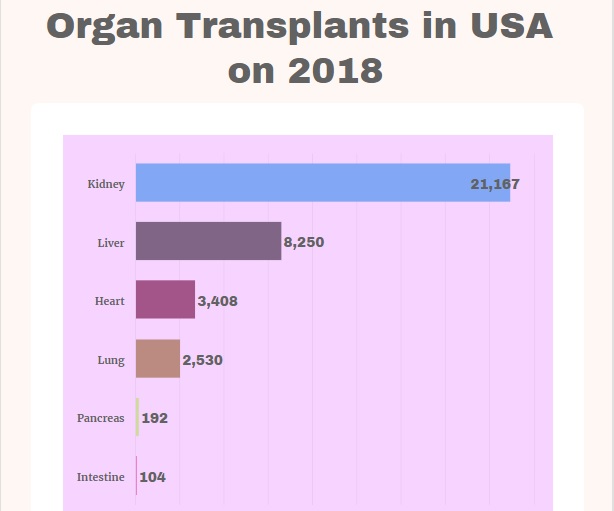
Organ Transplantation performed in USA in the Year of 2018

most common questions about Organ donation

What if i have a medical condition that prevents me from being an organ donor?

Anyone with any medical condition can sign up to be an organ donor. Transplant team and the physician will be able to determine if your medical condition allows the transplant to happen or not at the time of the transplant.

Will the medical provider stop providing necessary treatment for me if they notice that i am an organ donor?

No. Every medical providers primary goal is to save your life. Every lifesaving measures will be tried to save your life. You will be considered as a potential organ donor only if all life saving measures have been tried and failed. Being an organ donor will never affect the quality of care you receive.

Who will be receiving my organs?

There are lot of factors that contribute in deciding who is a match to receive your organs. There is a FDA regulated National data base system that keeps a record of donors and recipients and helps identify the correct match.

How to sign up to be an Organ donor

In USA

In Canada

  • You can sign up at any Service Ontario locations
  • You can also signup online by clicking on this link https://beadonor.ca/

A Guide to Healthy Aging

Aging is a natural process every single one of us have to go through. If the process is inevitable, why not make it a healthy and smooth ride!

Quality of life is more important than living life itself. This article will be focusing mainly on Lifestyle modifications that can improve your quality of life. Lets start to build the path to healthy aging. 

What are the lifestyle factors that contributes to a successful aging?

  • Physical Activity
  • Healthy Eating 
  • Sleep 
  • Psycho social factors
  • Substance use 

Physical Activity:


Exercise can improve your health significantly by reducing bone loss and preventing osteoporosis, reducing arthritis pain, strengthen and decrease fall and fracture risks, improve sleep and cognitive function as well as contributing to improve medical conditions such as blood pressure, Diabetes, High cholesterol and Depression. Some studies have also showed reduced risk of colon and breast cancer and death by being physically active.

It is recommended for older adults to perform at least 150 min/ week of moderate intensity exercise such as brisk walking or 75 mins/ week of vigorous intensity exercise such as jogging or running. Muscle strengthening exercises involving major muscles such as legs, hips, back , chest, shoulder and arms should be included as part of the physical activity. For those who are not active at all, even low intensity exercise such as sitting less, walking around the house while watching TV or standing more can be beneficial compared to no physical activity at all. 

Type of Exercises and its benefits 

  • Aerobic Exercise: Aerobic exercise such as walking, running, swimming, bicycling all provide cardiovascular and muscular benefits. It is always better to increase the duration of the exercise before increasing the intensity of the exercise. 
  • Resistance Training : Resistance training such as use of weights or exercise bands are associated with increase in muscle strength and muscle mass. When you first start, pick a weight which you can lift comfortably atleast 8 times. when you use weights  you should start slowly about two to three seconds to lift, hold for one second, and three to four seconds to return back to the starting position.
  • Flexibility Training : Dance exercises such as Zumba or Yoga improves flexibility and joint range of motion, endurance and muscle strength. You should slowly stretch into the preferred position and hold each stretch for about 10 to 30 seconds. 
  • Balance Training : Balance training such as Tai Chi improves balance and reduces the risk of falls and fractures.

Healthy Eating 


Malnutrition is a very common problem older adults encounter. It can be due to multiple reasons such as other medical problems affecting appetite or the ability to eat (poor dentures, etc) or Elderly negligence. Weight loss and decreased food intake is associated with increased harm and mortality in elderly. A healthy BMI in older adults is between 23- 32 kg/m2. Eating a healthy diet rich in protein, dairy, vegetables, fruits and reduced fat has shown to improve the quality of life in elderly.

Dietary supplements with vitamins are not required unless there is deficiency. Calcium and Vitamin D supplement may help with the bone health and prevent Osteoporosis. Vitamin D supplement with calcium have shown to reduce falls in people who are deficient in vitamin D, however if your vitamin D is within normal limits supplementing vitamin D will not benefit you. 

SLEEP


As we get older our duration and quality of sleep gets compromised. It is recommended to get 7- 8 hrs of sleep for adults older than 65, however 80% of older adults does not get the required amount and quality of sleep. When you do not get good sleep, your thinking, mood and functional abilities are compromised. It is important to try good sleep hygiene if you experience sleeping problems prior to trying medications, since sleeping pills have many side effects including drowsiness causing falls, affecting the breathing pattern and can even make you get addicted to them. 

What is a good sleep hygiene ? 

  • Use your bed only for sleep and sex. Do not eat or do work in bed
  • Make your bed comfortable to sleep by using the appropriate linen and pillows that make you comfortable and setting up the temperature to best suit you. 
  • Go to bed only when you are sleepy and if you cannot fall asleep for 15 – 20 mins, get up and do some light activity and then try to go back to sleep again
  • Avoid drinking caffeinated beverages in the evening and even eat your dinner early
  • If you have to wake up multiple times in the middle of the night to urinate, avoid drinking a lot of water late at night. 
  • Avoid smoking or alcohol at night
  • Increase day time activity and reduce or avoid day time naps. 
  • Try relaxation techniques such as meditation

If none of the sleep hygiene techniques help you get the sleep you need and if you have to start sleeping medication, talk to your doctor about the risks, side effects and addiction potential of each and every sleeping pills prior to making a decision.

Substance Use : 

​​Smoking is associated with reduced quality of life as well as increased mortality in older adult. Smoking can affect every single part of your body from your skin to your brain. In addition to causing multiple cancers including skin, Lungs, bladder etc and causing heart attacks and stroke , it can also affect your immune system and make you more prone to catch infections. As we get older the ability for our body to fight infections reduce and this leads to multiple hospitalizations and poor quality of life. Quitting smoking reduces the risk of death despite the age. 

Older adults with alcohol use disorder have higher rates of death due to liver failure, falls and injuries and cancer. In addition they also have poor quality of life due to the trauma and poor wound healing, increased risk of developing dementia and stroke. It is common for older adults to be on multiple medications due to other medical problems and alcohol can interact with them and affect alcohol level or drug levels causing toxicity and even death. 

Older individuals sometimes use medications that are not prescribed to them or take extra dose of medications (intentionally to increase the benefit of the medication or unintentionally due to memory problems). Due to the physiological changes that happens with aging, prescription, over the counter medications or herbal supplements tend to cause more harm in elderly when taken without a physician’s recommendation. A lot of medications and supplements are listed as a safety concern by FDA in elderly. Talk to your doctor before taking any medications or supplements.

PSYCHO-social Factors : 

Despite the medical advances and awareness there is still a stigma about depression and mental health. Older adults are at higher risk of developing major depression or depressive symptoms, however it is also most commonly missed due to contributing the symptoms to other medical problems.

Older adults have multiple risk factors to develop depression including loss of independence due to frailty or medical problems and complications from multiple medical problems. Elderly negligence or abuse is another common reason for impaired mental health.

Older men who are single have higher rates of completed suicide.  Good social support, being married , being religious are some of the factors that shows protective factor against suicide attempts. 

For those with mild depressive symptoms, improving your diet, sleep , physical and pleasure activity and social support can significantly help with depressive symptoms. If symptoms are severe your doctor can help you chose an antidepressant that is safe for you. 

Resource links: 

National Suicide Prevention Life line USA (1-800-273-8255)

Suicide Prevention Canada 

Welcome to my Blog

Welcome to Mediculous, a unique blog here for you to explore. 

“The doctor of the future will give no medication, but will interest his patients in the care of human frame, diet and in the cause and prevention of the disease” – Thomas A. Edison

I am a Family Physician and a strong believer of preventive medicine. I am Board certified by American Board of Family Medicine & American Board of Lifestyle Medicine. This blog is all about preventive medicine. The goal of creating this blog is to increase awareness of common medical conditions and it’s complications and to learn ways to prevent from getting the disease or prevent the progression of the disease. As a Family Physician the most common barriers I observed while treating my patients is lack of awareness and information to avoid preventable health conditions.

This blog will contain posts written in simple language and in layman terms for everyone to be able to read and understand. Posts in this blog will give all the necessary information to help you take control of your health. Information provided here are obtained from peer reviewed medical journals.

I love having the opportunity to share my knowledge and passion with my readers and promote preventive medicine and improve individual health. Take a minute, read, enjoy and take control of your health !