HYPERTENSION (HIGH BLOOD PRESSURE)

Goal of pharmacological or non pharmacological management is to reduce the blood pressure to less than 130/80 mm Hg. 
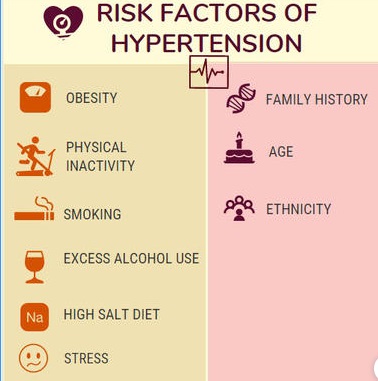
RISK FACTORS OF HYPERTENSION

Secondary causes of High Blood Pressure

Some medical conditions can contribute to high blood pressure. when those medical conditions are managed appropriately, blood pressure can be controlled. 

  1. Obstructive sleep apnea
  2. Hyperthyroidism
  3. Hyperaldosteronism (Conn’s Syndrome)
  4. Renal Artery Stenosis
  5. Pheochromocytoma
  6. Hypercortisolism
  7. Chronic Kidney Disease

Some medications can increase the blood pressure. In that case upon discontinuing the medication, blood pressure can be normalized. 
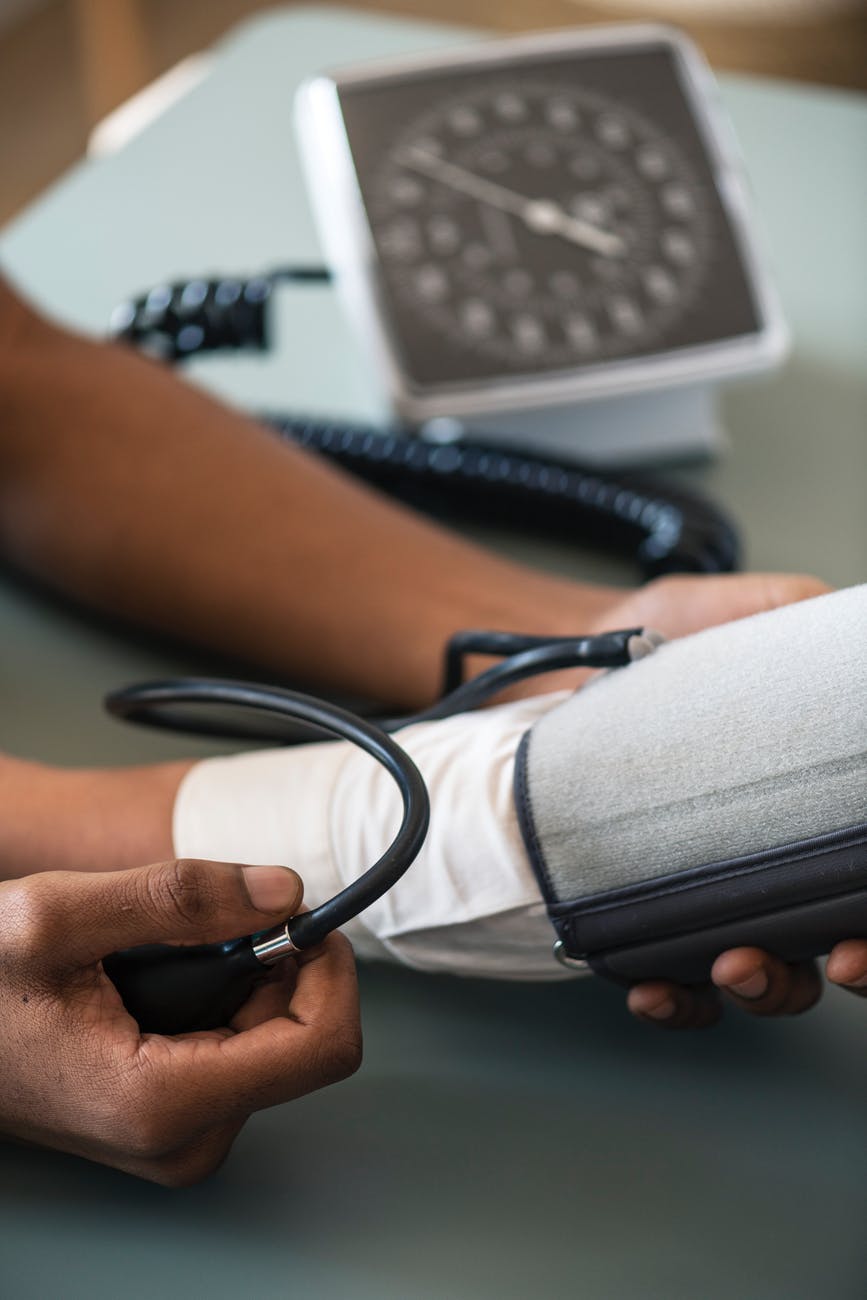
Photo by Pietro Jeng on Pexels.com
  1. NSAIDS (Ibuprofen, Motrin, Allieve, Naproxen, Celebrex, Meloxicam)
  2. Steroids (prednisone)
  3. Some Antidepressants (Venlaflaxine or Effexor, Wellbutyrin or Bupropion)
  4. ADHD medications (Adderall, Ritalin)
  5. Estrogen containing Birth control pills

Why is it important to keep the Blood Pressure Under Control?

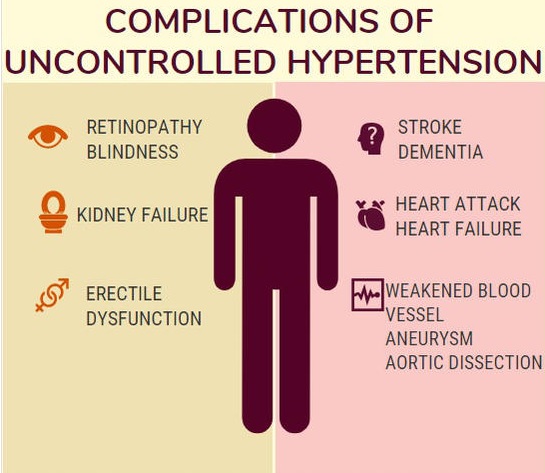
Uncontrolled Blood pressure can cause many significant and dangerous health problems and can even lead to death.

Cardiovascular (Heart) Problems : When the blood pressure is high your heart needs to work extra hard to pump blood to the rest of the body. By working extra hard for a long period of time heart goes under tremendous stress and can develop conditions such as Heart Failure and Heart Attack

Neurovascular (Brain) Problems: High Blood pressure reduces blood supply to the brain and therefore can cause Ischemic stroke (part of the brain that gives up functioning due to no blood flow) and Dementia. In addition high blood pressure can also cause hemorrhagic Stroke by causing increase pressure in the vessels leading them to rupture (Think of your blood vessels like a pipeline, if the pressure in the pipe increases it can cause the Pipe to explode and water will start leaking).

Vascular (Blood Vessel)Problem: Long standing high blood pressure can weaken the blood vessel and cause problems such as aneurysm and dissection (blood vessel ruptures causing the blood to leak internally).

Vision (EYE) Problems: Lack of blood supply to the eyes can cause retinopathy and eventually blindness.

Nephropathy (Kidney) Problem : Lack of blood supply due to increase pressure can put alot of stress for the kidneys to function and can cause kidneys to fail and eventually needing Dialysis or kidney transplantation.

Erectile Dysfunction (Sexual dysfunction): Who would have thought High blood pressure can contribute to sexual dysfunction. It is caused by the same concept, and that is high pressure reduces blood supply to the Penis causing it to not function as it should be. This can lead to difficulty maintaining or achieving an erection.
COMPLICATIONS OF UNCONTROLLED HYPERTENSION

Management of hypertension

Photo by rawpixel.com on Pexels.com

Like any other medical condition if you have 2 or more reading of elevated blood pressure that are not affected by external factors (drinking caffeine before checking the blood pressure etc.) your doctor can diagnose you with Hypertension. There is a common problem called White coat Hypertension in which people have elevated blood pressure every time they come in to the doctor’s office (since no one likes to come to the doctors office and the anxiety or stress cause the blood pressure to falsely be high). In that case your doctor would ask you to check the blood pressure outside of that environment such as home or a pharmacy or etc.

Proper management of Hypertension includes a multidisciplinary approach. Just following one without controlling the others is not going to help you achieve good blood pressure control

  • Medications
  • Diet & Exercise
  • Weight loss
  • Management of Stress
  • Management of other medical problems that can contribute to High Blood Pressure

medication
Photo by rawpixel.com on Pexels.com

No one likes to be on medications, however if you are diagnosed with Hypertension and if you failed to control your blood pressure by lifestyle changes being on medication is the best option for you. Many people are worried about the side effects of medications. Even though medications do have side effects, having high blood pressure can cause more harm than the side effects of medications. If you look at any medication It would always have a long list of possible side effects, that does not mean everyone is going to experience some or all the side effects. Your doctor would explain you the most common and most dangerous side effects and if you experience any of them you can talk to your doctor and stop or switch the medication immediately. Your doctor will also discuss with you the best blood pressure medication for you depending on your ethnicity, age and comorbidities. Just because you have to start a medication for hypertension does not mean you have to be on it forever. When you work on the other factors that affect your blood pressure and control them your blood pressure will also be under control and eventually you can get off of the medication with your doctors guidance and supervision.

Diet & Exercise

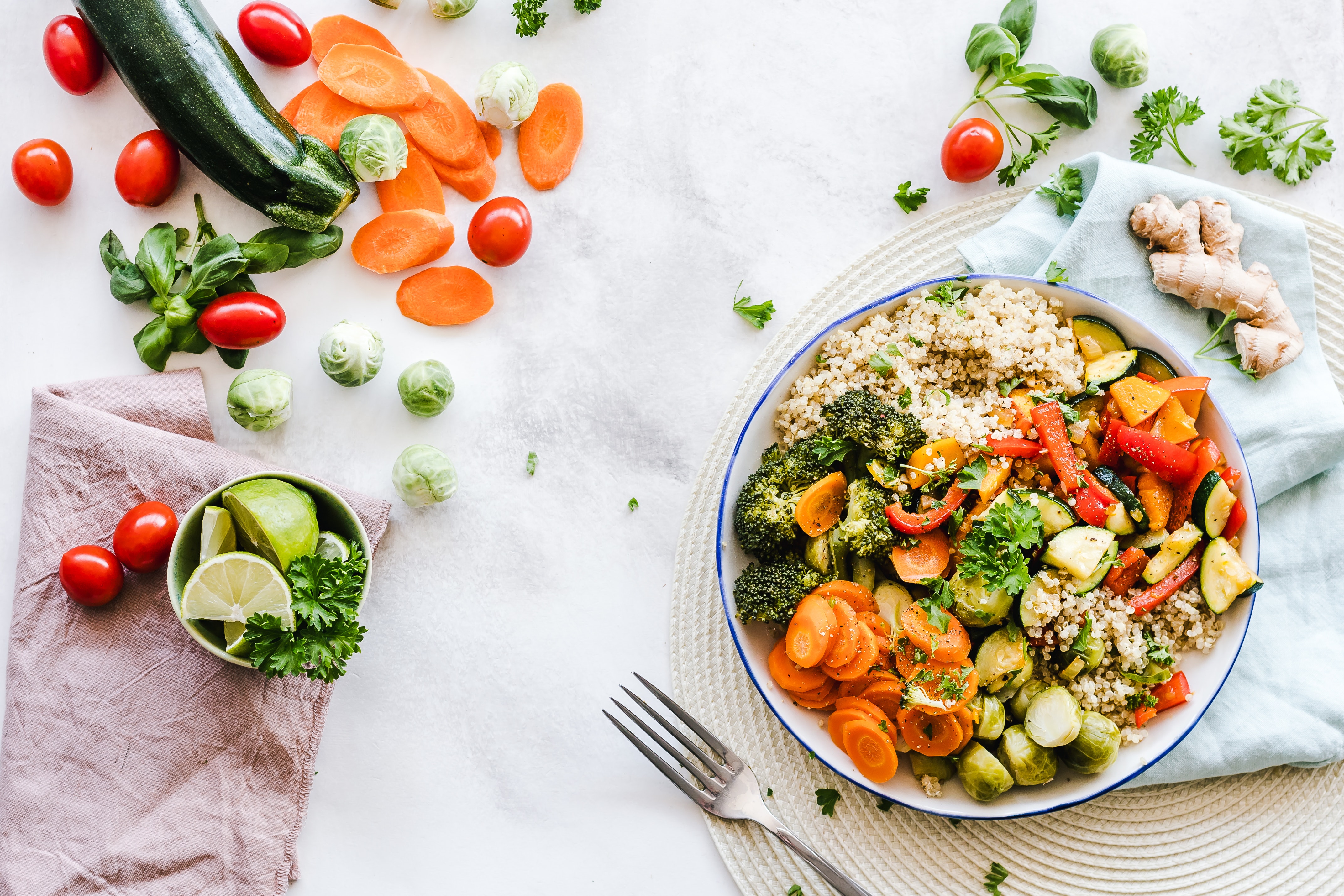
Diet plays a major role in blood pressure control. Recommended diet plan for hypertension is DASH diet. DASH diet includes
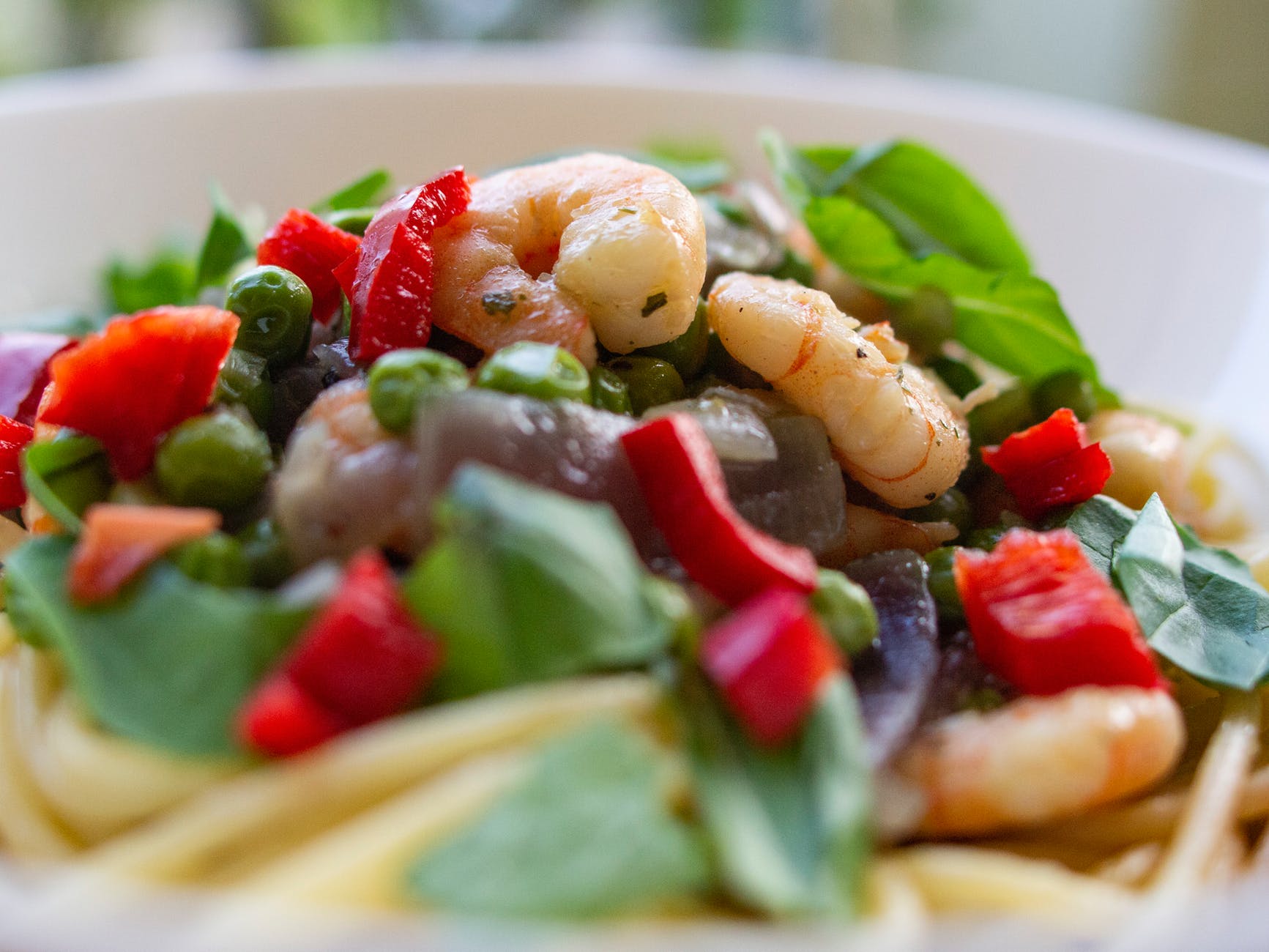
Photo by Krisztina Papp on Pexels.com
  • High consumption of fruits and vegetables
  • High consumption of whole grains
  • Moderate consumption of low fat dairy products
  • Moderate consumption of lean meat (Chicken, Turkey and Fish are preferred over Beef, Lamb and Pork)
  • Moderate consumption of healthy nuts and seeds
  • Low consumption of Red meat
  • Low consumption of salt (less than 2400 mg (or 2.4 g )of salt per day)
  • Low consumption of saturated fat
  • Low consumption of Sweets

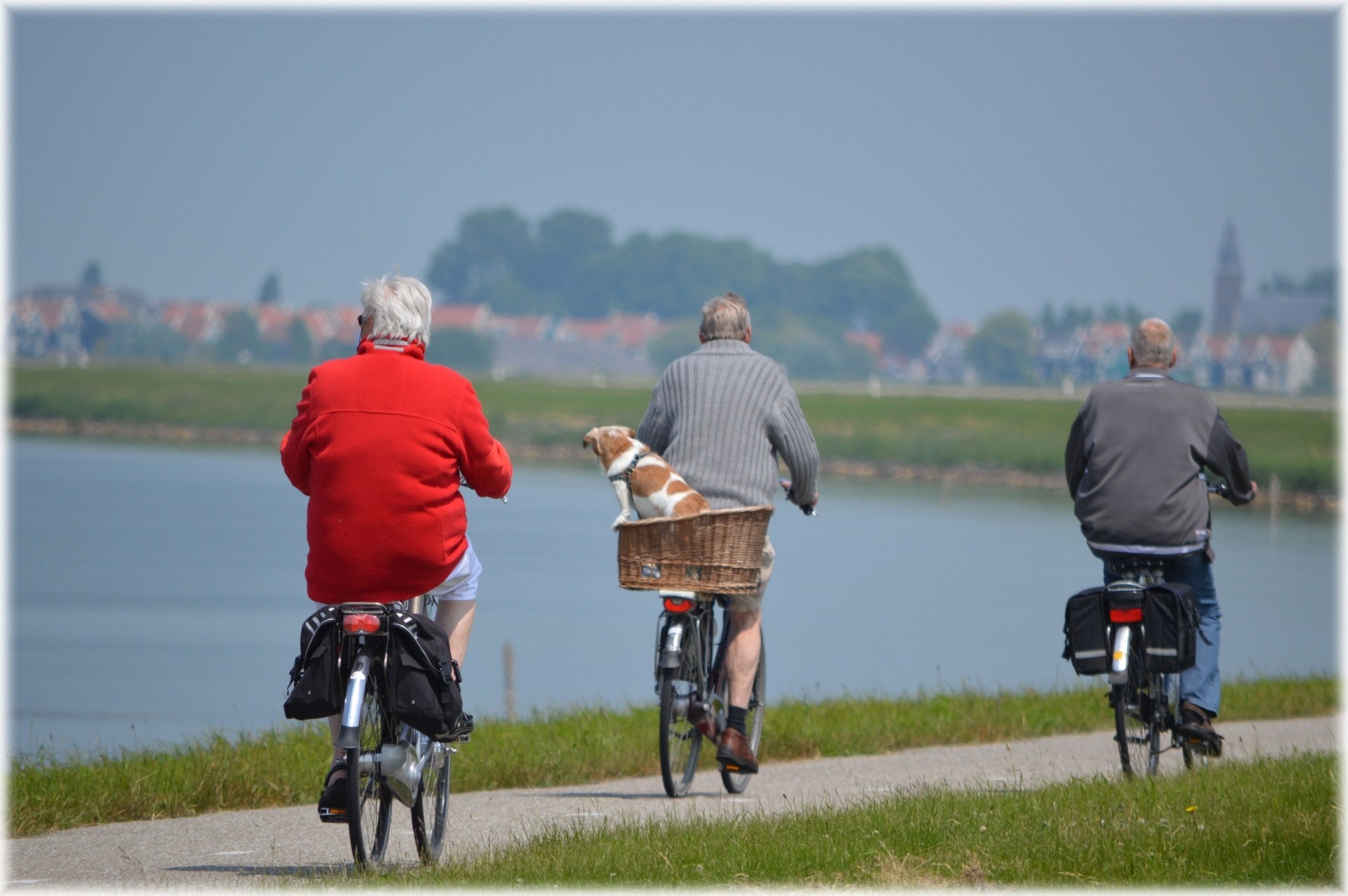
Most health benefits with exercise occurs with moderate to high intensity exercise for at least 150 minutes per week .

Photo by Nathan Cowley on Pexels.com

Weight loss

Over weight, obese or morbid obesity puts you at high risk of developing hypertension and other complications. Studies have shown that losing approximately 10 lbs will reduce the systolic blood pressure by 5 – 20 mmHg. In addition if you have a secondary cause of hypertension that is related to your body habitus, it can help reduce it even further.

Management of stress

We all go through a lot of stress on a daily basis. From waking up in the morning , then getting stuck in the traffic and finally when you get to work there is more stress. If we do not find a way to handle our stress, stress will take control of our life and health. There is no one way to manage stress, you just have to find what works for you. some of the most common stress relievers are

Photo by theformfitness on Pexels.com
  • Meditation or yoga
  • spending time with your loved ones
  • Taking a stroll in the nature
  • Having a pet
  • Listening to music

A Guide to Healthy Aging

Aging is a natural process every single one of us have to go through. If the process is inevitable, why not make it a healthy and smooth ride!

Quality of life is more important than living life itself. This article will be focusing mainly on Lifestyle modifications that can improve your quality of life. Lets start to build the path to healthy aging. 

What are the lifestyle factors that contributes to a successful aging?

  • Physical Activity
  • Healthy Eating 
  • Sleep 
  • Psycho social factors
  • Substance use 

Physical Activity:


Exercise can improve your health significantly by reducing bone loss and preventing osteoporosis, reducing arthritis pain, strengthen and decrease fall and fracture risks, improve sleep and cognitive function as well as contributing to improve medical conditions such as blood pressure, Diabetes, High cholesterol and Depression. Some studies have also showed reduced risk of colon and breast cancer and death by being physically active.

It is recommended for older adults to perform at least 150 min/ week of moderate intensity exercise such as brisk walking or 75 mins/ week of vigorous intensity exercise such as jogging or running. Muscle strengthening exercises involving major muscles such as legs, hips, back , chest, shoulder and arms should be included as part of the physical activity. For those who are not active at all, even low intensity exercise such as sitting less, walking around the house while watching TV or standing more can be beneficial compared to no physical activity at all. 

Type of Exercises and its benefits 

  • Aerobic Exercise: Aerobic exercise such as walking, running, swimming, bicycling all provide cardiovascular and muscular benefits. It is always better to increase the duration of the exercise before increasing the intensity of the exercise. 
  • Resistance Training : Resistance training such as use of weights or exercise bands are associated with increase in muscle strength and muscle mass. When you first start, pick a weight which you can lift comfortably atleast 8 times. when you use weights  you should start slowly about two to three seconds to lift, hold for one second, and three to four seconds to return back to the starting position.
  • Flexibility Training : Dance exercises such as Zumba or Yoga improves flexibility and joint range of motion, endurance and muscle strength. You should slowly stretch into the preferred position and hold each stretch for about 10 to 30 seconds. 
  • Balance Training : Balance training such as Tai Chi improves balance and reduces the risk of falls and fractures.

Healthy Eating 


Malnutrition is a very common problem older adults encounter. It can be due to multiple reasons such as other medical problems affecting appetite or the ability to eat (poor dentures, etc) or Elderly negligence. Weight loss and decreased food intake is associated with increased harm and mortality in elderly. A healthy BMI in older adults is between 23- 32 kg/m2. Eating a healthy diet rich in protein, dairy, vegetables, fruits and reduced fat has shown to improve the quality of life in elderly.

Dietary supplements with vitamins are not required unless there is deficiency. Calcium and Vitamin D supplement may help with the bone health and prevent Osteoporosis. Vitamin D supplement with calcium have shown to reduce falls in people who are deficient in vitamin D, however if your vitamin D is within normal limits supplementing vitamin D will not benefit you. 

SLEEP


As we get older our duration and quality of sleep gets compromised. It is recommended to get 7- 8 hrs of sleep for adults older than 65, however 80% of older adults does not get the required amount and quality of sleep. When you do not get good sleep, your thinking, mood and functional abilities are compromised. It is important to try good sleep hygiene if you experience sleeping problems prior to trying medications, since sleeping pills have many side effects including drowsiness causing falls, affecting the breathing pattern and can even make you get addicted to them. 

What is a good sleep hygiene ? 

  • Use your bed only for sleep and sex. Do not eat or do work in bed
  • Make your bed comfortable to sleep by using the appropriate linen and pillows that make you comfortable and setting up the temperature to best suit you. 
  • Go to bed only when you are sleepy and if you cannot fall asleep for 15 – 20 mins, get up and do some light activity and then try to go back to sleep again
  • Avoid drinking caffeinated beverages in the evening and even eat your dinner early
  • If you have to wake up multiple times in the middle of the night to urinate, avoid drinking a lot of water late at night. 
  • Avoid smoking or alcohol at night
  • Increase day time activity and reduce or avoid day time naps. 
  • Try relaxation techniques such as meditation

If none of the sleep hygiene techniques help you get the sleep you need and if you have to start sleeping medication, talk to your doctor about the risks, side effects and addiction potential of each and every sleeping pills prior to making a decision.

Substance Use : 

​​Smoking is associated with reduced quality of life as well as increased mortality in older adult. Smoking can affect every single part of your body from your skin to your brain. In addition to causing multiple cancers including skin, Lungs, bladder etc and causing heart attacks and stroke , it can also affect your immune system and make you more prone to catch infections. As we get older the ability for our body to fight infections reduce and this leads to multiple hospitalizations and poor quality of life. Quitting smoking reduces the risk of death despite the age. 

Older adults with alcohol use disorder have higher rates of death due to liver failure, falls and injuries and cancer. In addition they also have poor quality of life due to the trauma and poor wound healing, increased risk of developing dementia and stroke. It is common for older adults to be on multiple medications due to other medical problems and alcohol can interact with them and affect alcohol level or drug levels causing toxicity and even death. 

Older individuals sometimes use medications that are not prescribed to them or take extra dose of medications (intentionally to increase the benefit of the medication or unintentionally due to memory problems). Due to the physiological changes that happens with aging, prescription, over the counter medications or herbal supplements tend to cause more harm in elderly when taken without a physician’s recommendation. A lot of medications and supplements are listed as a safety concern by FDA in elderly. Talk to your doctor before taking any medications or supplements.

PSYCHO-social Factors : 

Despite the medical advances and awareness there is still a stigma about depression and mental health. Older adults are at higher risk of developing major depression or depressive symptoms, however it is also most commonly missed due to contributing the symptoms to other medical problems.

Older adults have multiple risk factors to develop depression including loss of independence due to frailty or medical problems and complications from multiple medical problems. Elderly negligence or abuse is another common reason for impaired mental health.

Older men who are single have higher rates of completed suicide.  Good social support, being married , being religious are some of the factors that shows protective factor against suicide attempts. 

For those with mild depressive symptoms, improving your diet, sleep , physical and pleasure activity and social support can significantly help with depressive symptoms. If symptoms are severe your doctor can help you chose an antidepressant that is safe for you. 

Resource links: 

National Suicide Prevention Life line USA (1-800-273-8255)

Suicide Prevention Canada