Every 10 minutes a person is added to the Transplant waiting list
More than 100,000 patients were listed on the transplant waiting list in USA as of 2019
20 people die each day waiting for a transplant
Every day about 80 people receive organ transplant in USA
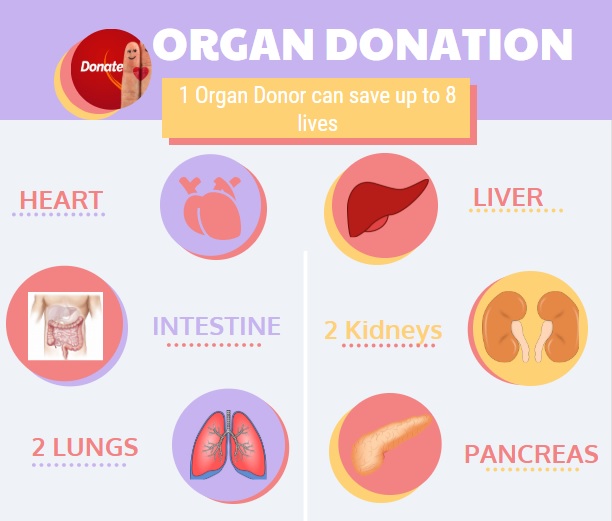
Do you know that 1 organ donor can save up to 8 lives !
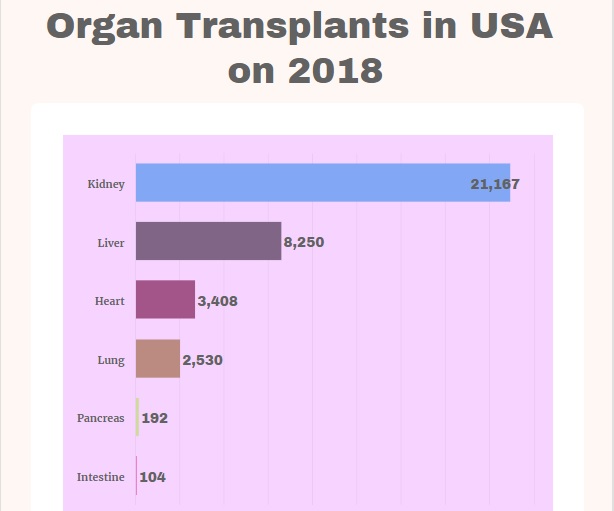
Organ Transplantation performed in USA in the Year of 2018
most common questions about Organ donation
What if i have a medical condition that prevents me from being an organ donor?
Anyone with any medical condition can sign up to be an organ donor. Transplant team and the physician will be able to determine if your medical condition allows the transplant to happen or not at the time of the transplant.
Will the medical provider stop providing necessary treatment for me if they notice that i am an organ donor?
No. Every medical providers primary goal is to save your life. Every lifesaving measures will be tried to save your life. You will be considered as a potential organ donor only if all life saving measures have been tried and failed. Being an organ donor will never affect the quality of care you receive.
Who will be receiving my organs?
There are lot of factors that contribute in deciding who is a match to receive your organs. There is a FDA regulated National data base system that keeps a record of donors and recipients and helps identify the correct match.
How to sign up to be an Organ donor
In USA
You can sign up in person at your local Motor Vehicle Department
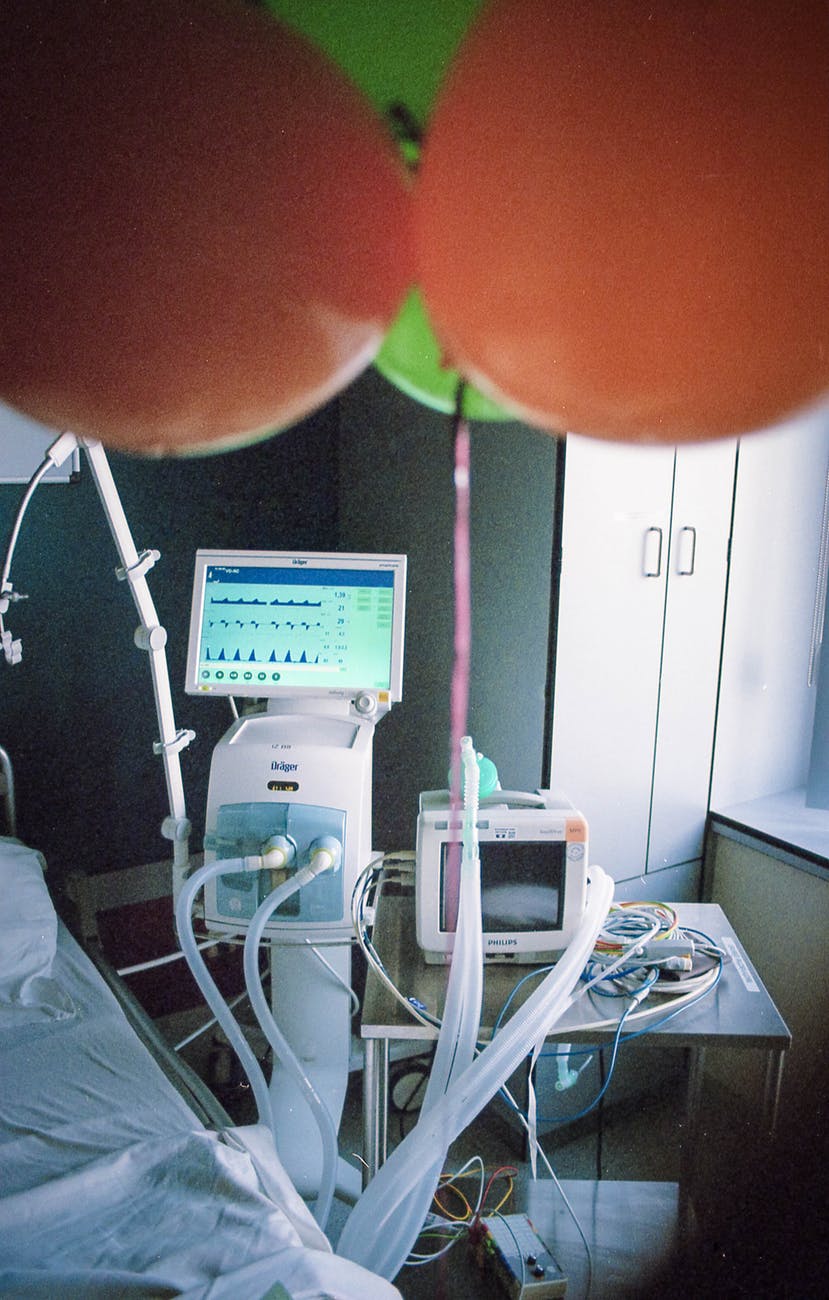
Many of us do not think about unpleasant, difficult situations when things are going well. However what we often fail to think about is that unexpected situations can happen anytime in life. As a medical professional, I have seen many young healthy adults with no medical problems get into an accident or get affected by unexpected health problems which affects their quality of life. In such situations we might not be in a state to be able to choose or make medical decisions. I have seen patients breathing on ventilators and surviving on tube feedings for years without any quality of life
Families and loved ones often face a hard time to make a decision, especially difficult decisions.They often feel guilty to decide that its time to stop medical management even when they realise that the prognosis is poor.
We all have different preferences and wishes in life and having a living will or durable power of attorney helps medical professionals to respect your wishes and provide the care you wanted and it ease the burden on your loved ones.
What is a Living Will ?
Living will is a written document that states your wishes on how you want to be cared if you are unable to make decisions. It includes topics such as resuscitation, breathing with the help of the ventilator, tube feedings and treatments that you do not want to receive. This document helps your medical provider to decide how they should approach your treatment. Being specific as possible helps with providing your desired treatment.
The durable power of attorney (DPOA) for health care document states the person you would want to make medical decisions for you, when you are not able to make decisions for yourself. This person should be some one you trust and they should be aware of your wishes and values. Although living will is a great way to express your wishes , it cannot cover every circumstances. This is where having a DPOA in addition to having a living will can be helpful.
Can you change a living will?
You can cancel or make changes to your living will at any time as long as you can think rationally and can communicate your wishes. When you make changes you should sign and notarize the document to make it legal.
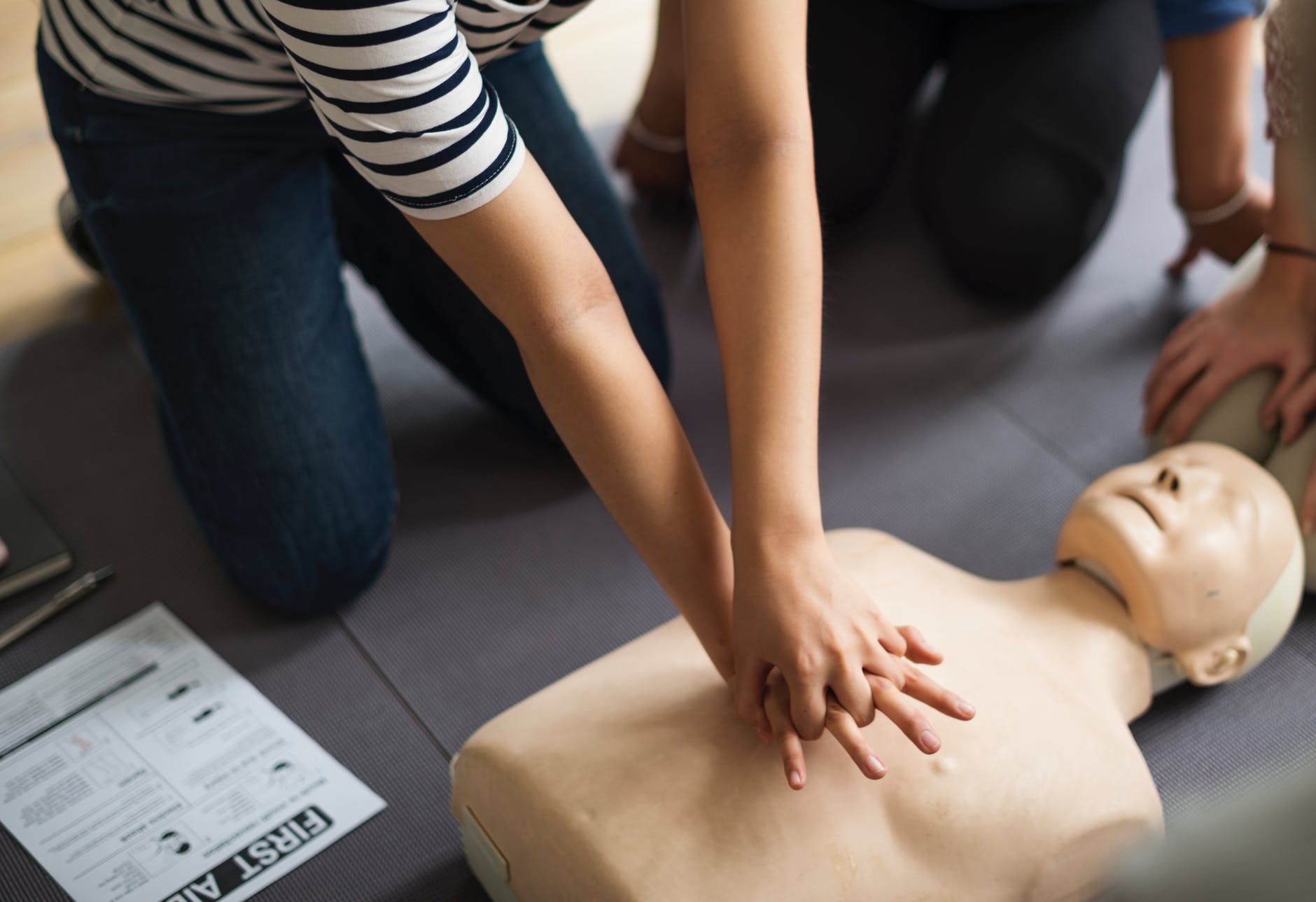
If you happen to experience a situation where your heart stops beating or you stop breathing, medical professionals will perform cardiopulmonary resuscitation (CPR) where they will do chest compression and use medications to restart it. DNR is an order stating that you do not prefer life saving CPR or resuscitation measures.
Do Not Intubate
If you experience difficulty in breathing and if symptoms does not improve with less invasive measures the next step is to intubate and connect it to a machine to help you breath. Intubation is the placement of a tube into the mouth in order to have it enter your windpipe to help you breathe. Intubation can be performed in many cases and most of them are temporary, however in some situations they can be intubated and connected to a ventilator for months to years. Some of the temporary situations include, during surgery under anesthesia, during CPR or when some one is experiencing short term loss of consciousness such as an acute intoxication. Long term intubation will be required if you have a severe lung problem or multiple comorbidities which increase the complications. You will be able to mention specific scenarios in which you do not want to be intubated ( such as long term mechanical ventilation) in your living will.
If you are in a state where you are unconscious or unable to eat Artificial nutrients and fluids can be given via tube feeding. Sometimes people can survive for years with tube feedings and mechanical ventilation. However when some one with a serious life threatening illness stops eating or drinking, it is sign that the body is beginning to stop functioning.
How can you prepare an advanced directive / Living will ?
You do not need a lawyer to fill out a living will or DPOA. Your medical doctor will be able to help you fill out your wishes and answer any questions to help you make the best decisions. Your doctors office or public health department in your state or hospitals will be able to provide you with the required form.
Aging is a natural process every single one of us have to go through. If the process is inevitable, why not make it a healthy and smooth ride!
Quality of life is more important than living life itself. This article will be focusing mainly on Lifestyle modifications that can improve your quality of life. Lets start to build the path to healthy aging.
What are the lifestyle factors that contributes to a successful aging?
Physical Activity
Healthy Eating
Sleep
Psycho social factors
Substance use
Physical Activity:
Exercise can improve your health significantly by reducing bone loss and preventing osteoporosis, reducing arthritis pain, strengthen and decrease fall and fracture risks, improve sleep and cognitive function as well as contributing to improve medical conditions such as blood pressure, Diabetes, High cholesterol and Depression. Some studies have also showed reduced risk of colon and breast cancer and death by being physically active.
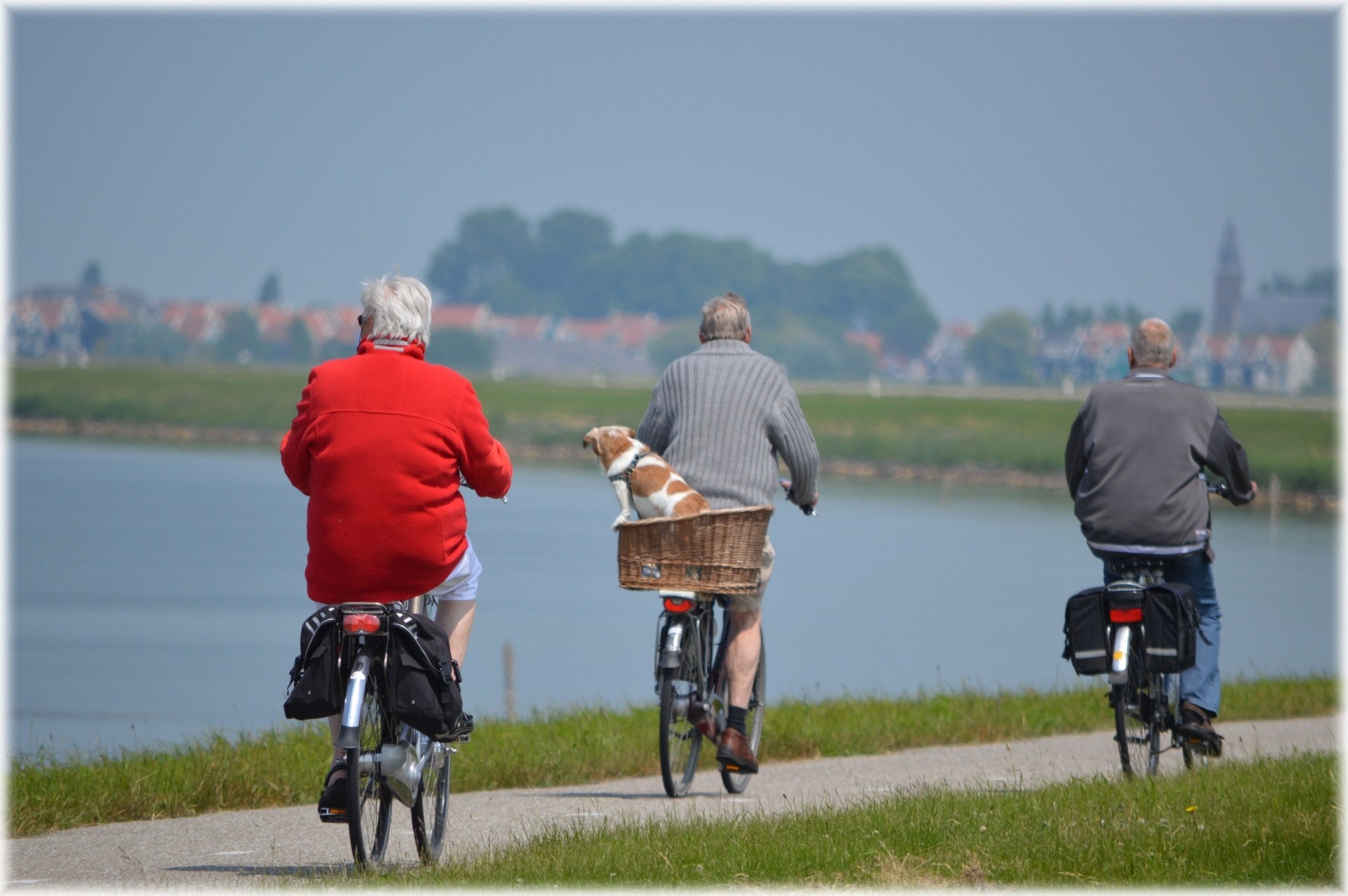
It is recommended for older adults to perform at least 150 min/ week of moderate intensity exercise such as brisk walking or 75 mins/ week of vigorous intensity exercise such as jogging or running. Muscle strengthening exercises involving major muscles such as legs, hips, back , chest, shoulder and arms should be included as part of the physical activity. For those who are not active at all, even low intensity exercise such as sitting less, walking around the house while watching TV or standing more can be beneficial compared to no physical activity at all.
Type of Exercises and its benefits
Aerobic Exercise: Aerobic exercise such as walking, running, swimming, bicycling all provide cardiovascular and muscular benefits. It is always better to increase the duration of the exercise before increasing the intensity of the exercise.
Resistance Training : Resistance training such as use of weights or exercise bands are associated with increase in muscle strength and muscle mass. When you first start, pick a weight which you can lift comfortably atleast 8 times. when you use weights you should start slowly about two to three seconds to lift, hold for one second, and three to four seconds to return back to the starting position.
Flexibility Training : Dance exercises such as Zumba or Yoga improves flexibility and joint range of motion, endurance and muscle strength. You should slowly stretch into the preferred position and hold each stretch for about 10 to 30 seconds.
Balance Training : Balance training such as Tai Chi improves balance and reduces the risk of falls and fractures.
Healthy Eating
Malnutrition is a very common problem older adults encounter. It can be due to multiple reasons such as other medical problems affecting appetite or the ability to eat (poor dentures, etc) or Elderly negligence. Weight loss and decreased food intake is associated with increased harm and mortality in elderly. A healthy BMI in older adults is between 23- 32 kg/m2. Eating a healthy diet rich in protein, dairy, vegetables, fruits and reduced fat has shown to improve the quality of life in elderly.
Dietary supplements with vitamins are not required unless there is deficiency. Calcium and Vitamin D supplement may help with the bone health and prevent Osteoporosis. Vitamin D supplement with calcium have shown to reduce falls in people who are deficient in vitamin D, however if your vitamin D is within normal limits supplementing vitamin D will not benefit you.
SLEEP
As we get older our duration and quality of sleep gets compromised. It is recommended to get 7- 8 hrs of sleep for adults older than 65, however 80% of older adults does not get the required amount and quality of sleep. When you do not get good sleep, your thinking, mood and functional abilities are compromised. It is important to try good sleep hygiene if you experience sleeping problems prior to trying medications, since sleeping pills have many side effects including drowsiness causing falls, affecting the breathing pattern and can even make you get addicted to them.
What is a good sleep hygiene ?
Use your bed only for sleep and sex. Do not eat or do work in bed
Make your bed comfortable to sleep by using the appropriate linen and pillows that make you comfortable and setting up the temperature to best suit you.
Go to bed only when you are sleepy and if you cannot fall asleep for 15 – 20 mins, get up and do some light activity and then try to go back to sleep again
Avoid drinking caffeinated beverages in the evening and even eat your dinner early
If you have to wake up multiple times in the middle of the night to urinate, avoid drinking a lot of water late at night.
Avoid smoking or alcohol at night
Increase day time activity and reduce or avoid day time naps.
Try relaxation techniques such as meditation
If none of the sleep hygiene techniques help you get the sleep you need and if you have to start sleeping medication, talk to your doctor about the risks, side effects and addiction potential of each and every sleeping pills prior to making a decision.
Substance Use :
Smoking is associated with reduced quality of life as well as increased mortality in older adult. Smoking can affect every single part of your body from your skin to your brain. In addition to causing multiple cancers including skin, Lungs, bladder etc and causing heart attacks and stroke , it can also affect your immune system and make you more prone to catch infections. As we get older the ability for our body to fight infections reduce and this leads to multiple hospitalizations and poor quality of life. Quitting smoking reduces the risk of death despite the age.
Older adults with alcohol use disorder have higher rates of death due to liver failure, falls and injuries and cancer. In addition they also have poor quality of life due to the trauma and poor wound healing, increased risk of developing dementia and stroke. It is common for older adults to be on multiple medications due to other medical problems and alcohol can interact with them and affect alcohol level or drug levels causing toxicity and even death.
Older individuals sometimes use medications that are not prescribed to them or take extra dose of medications (intentionally to increase the benefit of the medication or unintentionally due to memory problems). Due to the physiological changes that happens with aging, prescription, over the counter medications or herbal supplements tend to cause more harm in elderly when taken without a physician’s recommendation. A lot of medications and supplements are listed as a safety concern by FDA in elderly. Talk to your doctor before taking any medications or supplements.
PSYCHO-social Factors :
Despite the medical advances and awareness there is still a stigma about depression and mental health. Older adults are at higher risk of developing major depression or depressive symptoms, however it is also most commonly missed due to contributing the symptoms to other medical problems.
Older adults have multiple risk factors to develop depression including loss of independence due to frailty or medical problems and complications from multiple medical problems. Elderly negligence or abuse is another common reason for impaired mental health.
Older men who are single have higher rates of completed suicide. Good social support, being married , being religious are some of the factors that shows protective factor against suicide attempts.
For those with mild depressive symptoms, improving your diet, sleep , physical and pleasure activity and social support can significantly help with depressive symptoms. If symptoms are severe your doctor can help you chose an antidepressant that is safe for you.








 Mediculous