
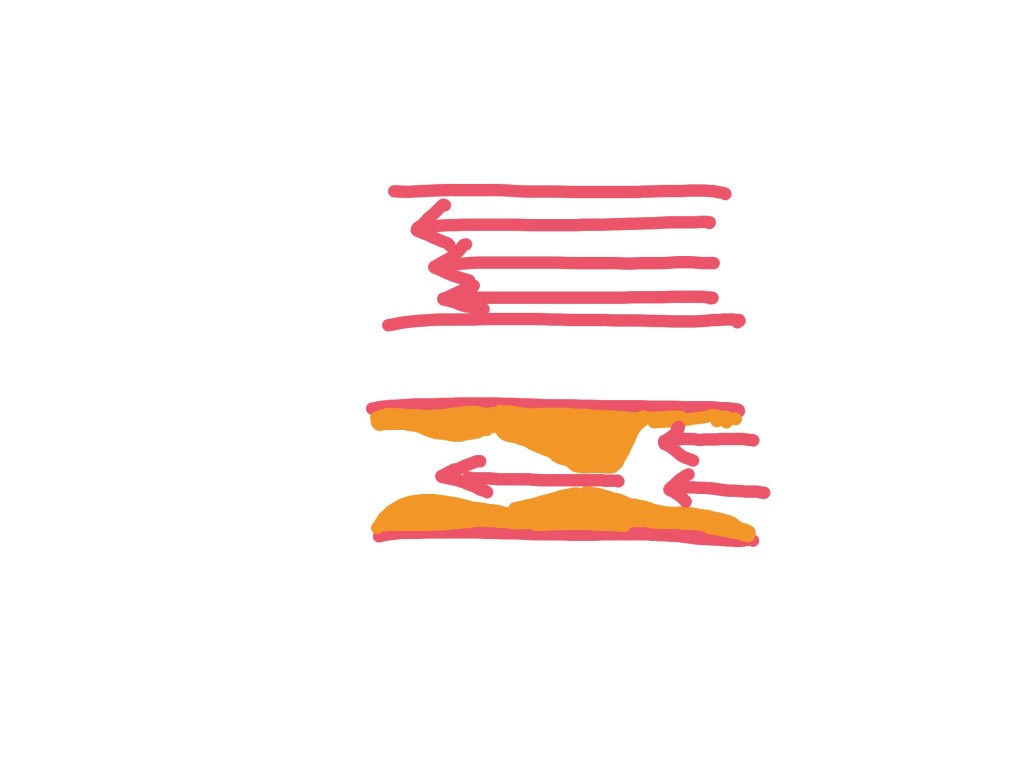
Peripheral Artery Disease (PAD) is a medical condition in which blood supply to the outer parts of the body is interrupted. Normally Blood vessels act like a pipeline and carries blood to other parts of the body. In PAD, fatty plaques build up inside the blood vessels causing them to narrow down or getting blocked.
Who are at high risk to develop PAD?
- Patients with Diabetes
- Smokers
- Patients with high cholesterol
- Patients with High Blood Pressure
Symptoms of PAD
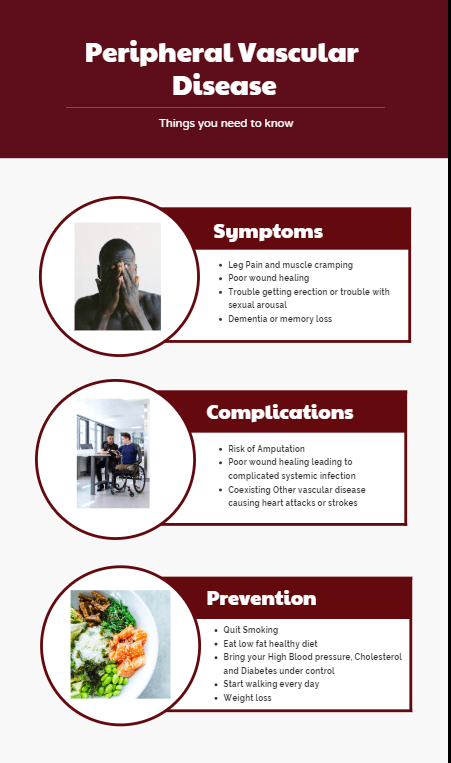
- Leg Pain and muscle cramping
- Muscles need oxygen to function and the oxygen is carried by the hemoglobin cells in the blood. when blood flow is obstructed by these fatty plaques, patients can experience muscle cramp worsening with exercise and relieves with rest.
- Poor wound healing
- Lack of blood flow to the extremities prevent immunoglobulins and nutrients to reach the wounds. Without the immunoglobulins, oxygen and nutrients wound healing process slows down and sometimes worsen.
- Trouble getting erection or trouble with sexual arousal
- Poor blood flow to the genital organs contribute to poor sexual function.
- Dementia or memory loss
- By blocking the blood vessels (cerebral artery ) that carry blood to the brain PAD contributes to inability to concentrate, memory loss, dementia and personality changes
How can you prevent from developing PAD
- Quit Smoking
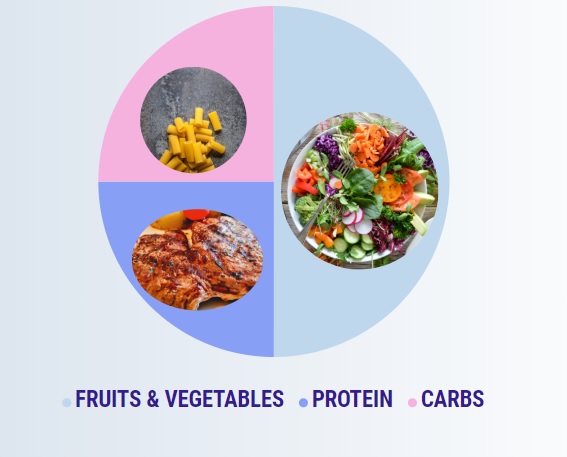
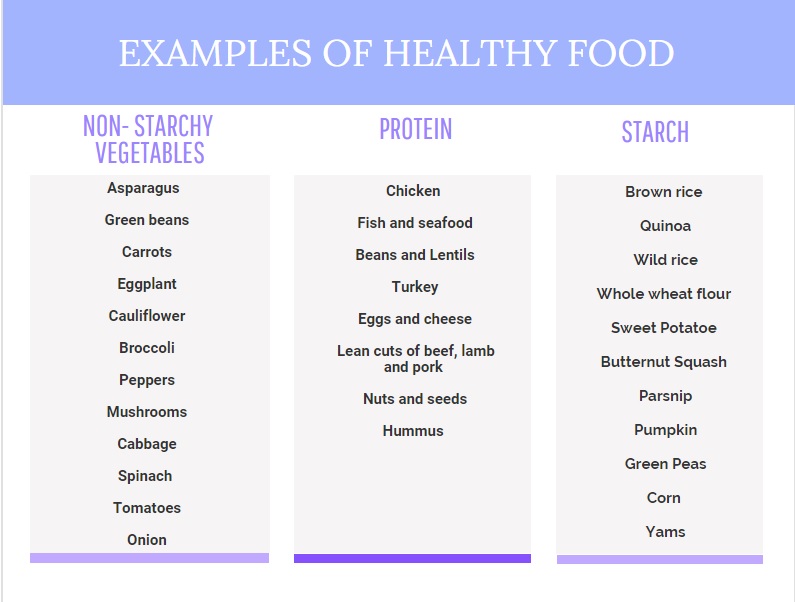
- Eat low fat healthy meals
- Bring your High Blood pressure, Cholesterol and Diabetes under control
- Start walking every day
- Weight loss
Treatment options for PAD
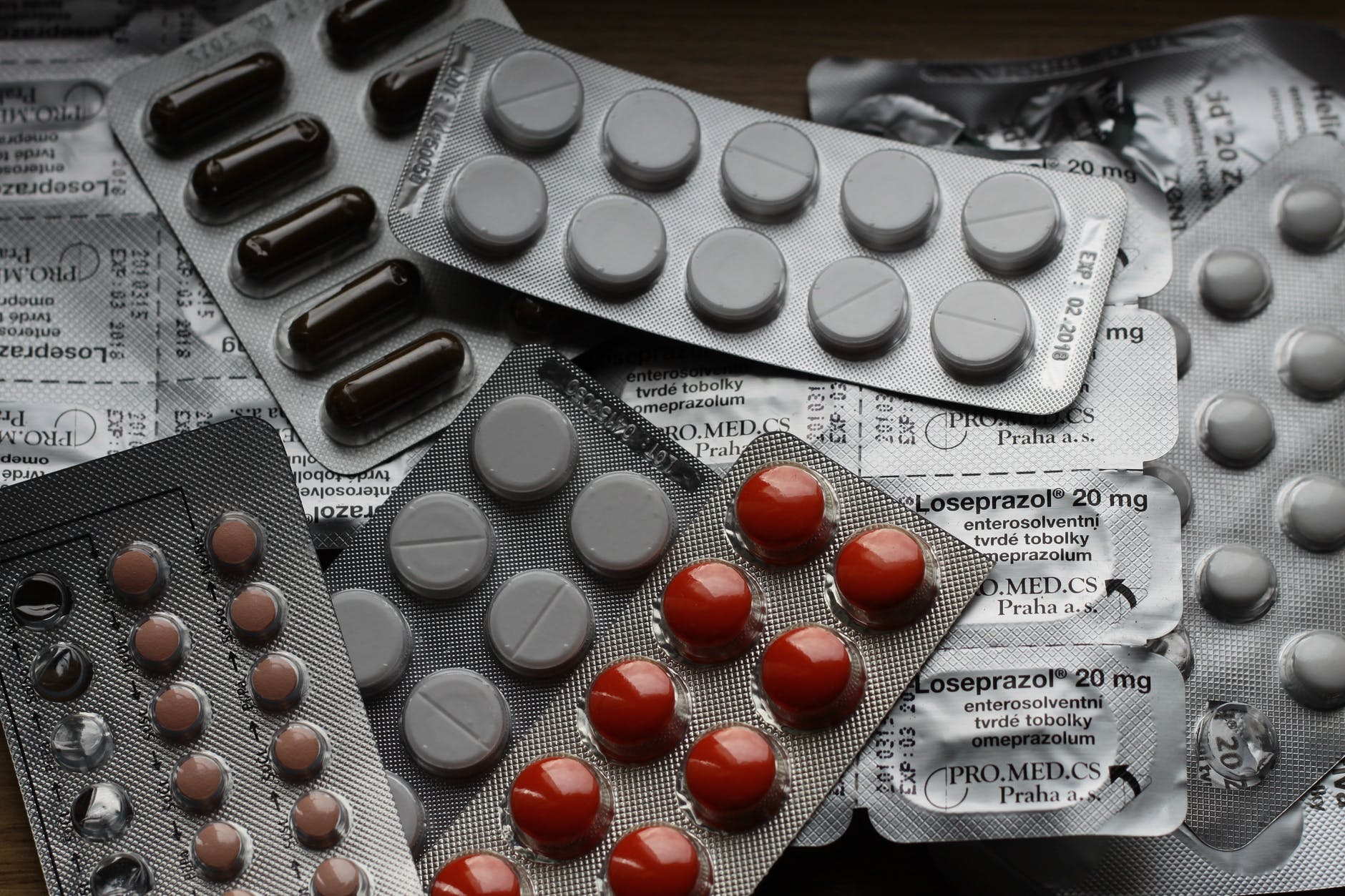
- Medications such as Cilastazol and Aspirin can be used to thin the blood and increase blood flow
- Cholesterol lowering medications such as “Statins” can be used to prevent worsening of peripheral artery disease
- If medications fail and / or severe PAD a metal stent can be placed in the blood vessel to keep it open and to increase the blood flow.
- Bypass surgery – a blood vessel from a different part of the body is removed and placed above and below the area that is clogged.
Why is it important to make lifestyle changes ?
- Poor wound healing
- As mentioned above, when there is lack of blood supply wound doesn’t heal well. The longer it takes for the wound to heal the more discomforts it will cause. Some of the complications include Worsening pain, worsening ulcer with malodorous discharge, wounds getting bigger in size and depth, infection spreading to the bones.
- Risk of Amputation
- Without oxygen and nutrients cells of the body cannot survive. with time parts of the body start to die and decay leading to amputation of the extremities as the only option to prevent death.
- Other vascular disease
- If one blood vessel is starting to clog, other blood vessels can clog as well. when the blood vessel in the heart clogs it leads to heart attack and even death. Clogging of the blood vessels in the brain can lead to stroke and residual deficits from the stroke.




 Mediculous