Peripheral Vascular Disease

Peripheral Artery Disease (PAD) is a medical condition in which blood supply to the outer parts of the body is interrupted. Normally Blood vessels act like a pipeline and carries blood to other parts of the body. In PAD, fatty plaques build up inside the blood vessels causing them to narrow down or getting blocked.

Normal blood vessel and Peripheral artery disease

Who are at high risk to develop PAD?

  • Patients with Diabetes
  • Smokers
  • Patients with high cholesterol
  • Patients with High Blood Pressure

Symptoms of PAD

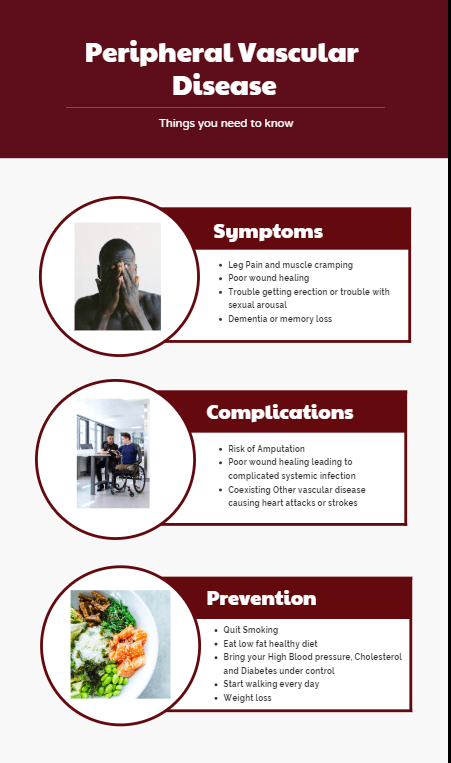
  • Leg Pain and muscle cramping
    • Muscles need oxygen to function and the oxygen is carried by the hemoglobin cells in the blood. when blood flow is obstructed by these fatty plaques, patients can experience muscle cramp worsening with exercise and relieves with rest.
  • Poor wound healing
    • Lack of blood flow to the extremities prevent immunoglobulins and nutrients to reach the wounds. Without the immunoglobulins, oxygen and nutrients wound healing process slows down and sometimes worsen.
  • Trouble getting erection or trouble with sexual arousal
    • Poor blood flow to the genital organs contribute to poor sexual function.
  • Dementia or memory loss
    • By blocking the blood vessels (cerebral artery ) that carry blood to the brain PAD contributes to inability to concentrate, memory loss, dementia and personality changes

How can you prevent from developing PAD

  • Quit Smoking
  • Eat low fat healthy meals
  • Bring your High Blood pressure, Cholesterol and Diabetes under control
  • Start walking every day
  • Weight loss

Treatment options for PAD

  • Medications such as Cilastazol and Aspirin can be used to thin the blood and increase blood flow
  • Cholesterol lowering medications such as “Statins” can be used to prevent worsening of peripheral artery disease
  • If medications fail and / or severe PAD a metal stent can be placed in the blood vessel to keep it open and to increase the blood flow.
  • Bypass surgery – a blood vessel from a different part of the body is removed and placed above and below the area that is clogged.

Why is it important to make lifestyle changes ?

  • Poor wound healing
    • As mentioned above, when there is lack of blood supply wound doesn’t heal well. The longer it takes for the wound to heal the more discomforts it will cause. Some of the complications include Worsening pain, worsening ulcer with malodorous discharge, wounds getting bigger in size and depth, infection spreading to the bones.
  • Risk of Amputation
    • Without oxygen and nutrients cells of the body cannot survive. with time parts of the body start to die and decay leading to amputation of the extremities as the only option to prevent death.
  • Other vascular disease
    • If one blood vessel is starting to clog, other blood vessels can clog as well. when the blood vessel in the heart clogs it leads to heart attack and even death. Clogging of the blood vessels in the brain can lead to stroke and residual deficits from the stroke.
OBESITY

2/3 Of Americans are Overweight or Obese. It costs 147 Billion dollars a year for health care cost due to complications from Obesity. Obesity is defined by a BMI of 30 or more. Studies have shown a close relationship between weight and medical comorbidities. Weight is a sensitive topic for many people. Being overweight or Obese affects your quality of life and limits your health and activities.

Complications due to Obesity

  • High Blood Pressure
  • Diabetes Mellitus
  • High Cholesterol
  • Heart Attack
  • Heart Failure
  • Sleep Apnea
  • Non Alcoholic Fatty Liver Disease
  • Polycystic Ovarian Syndrome
  • Venous Stasis
  • Acid Reflux
  • Urinary Incontinence
  • Degenerative Joint disease (Arthritis)
  • Infertility
  • Migraines
  • Depression
  • Stroke
  • Gall Bladder Disease
  • Certain type of Cancers
  • And many more………………………………………………..

Lifestyle Modifications

Diet and Exercise are the cornerstone in the management of obesity. Without changing your diet and activity level, any other medications or surgeries that you pursue will only provide a short term weight loss.

Diet

Reducing the daily calorie intake by 500 Kcal/ day itself can help you lose weight when done in a consistent manner. One needs to cut down 3500 Kcal to lose 1 lb of weight. Daily calorie requirement for women is 1200 – 1500 Kcal / day and for men 1500 – 1800 Kcal / day. There are many popular diet programs available (Intermittent fasting, Mediterranean diet, Keto diet, Atkins, South beach diet etc) , however no diet is shown to be superior than other.

So pick a diet that you can adhere to and stick to it for better results.

Exercise

Any exercise is better than no exercise! Burning 3500 KCal helps you lose 1 lb of weight. Minimum requirement for healthy lifestyle is at least 150 mins of Aerobic activity such as running, swimming, Cycling per week and resistance training such as weight lifting, Squats, etc at least twice a week.

There are many variety of exercise activities available including but not limited to Boot camp, Yoga, Pilates, Zumba, Martial Arts, spinning class etc. Pick something that interests you and be compliant with it. It will not only help with weight loss but also help with increasing mobility and quality of life.

Medications for Weight loss

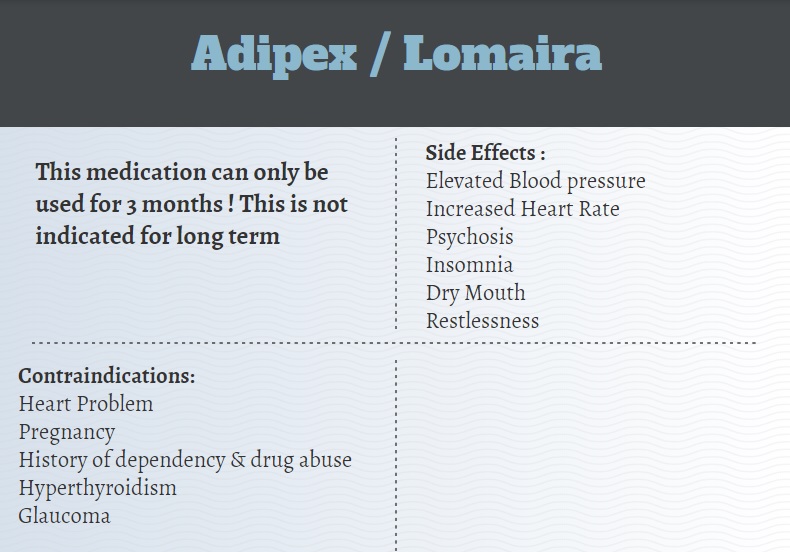
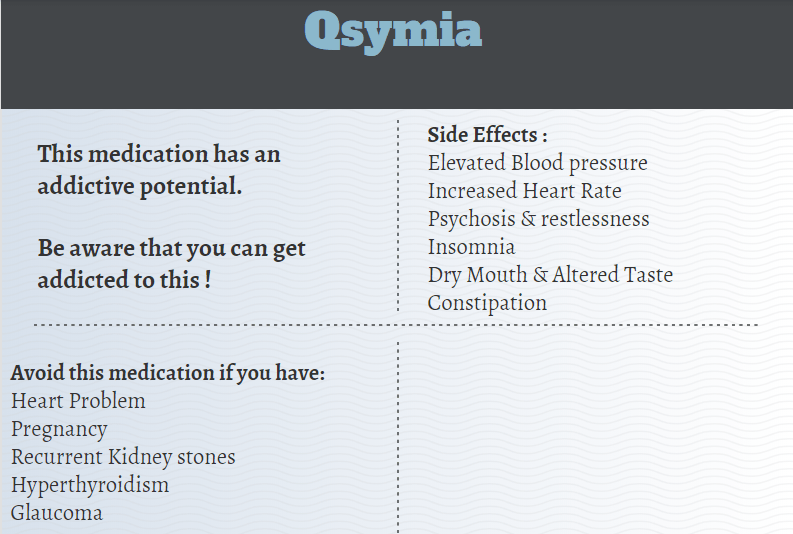
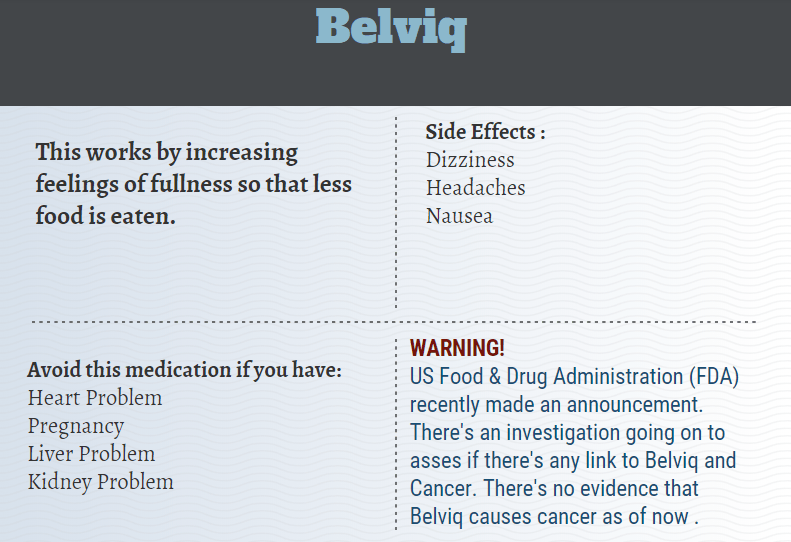
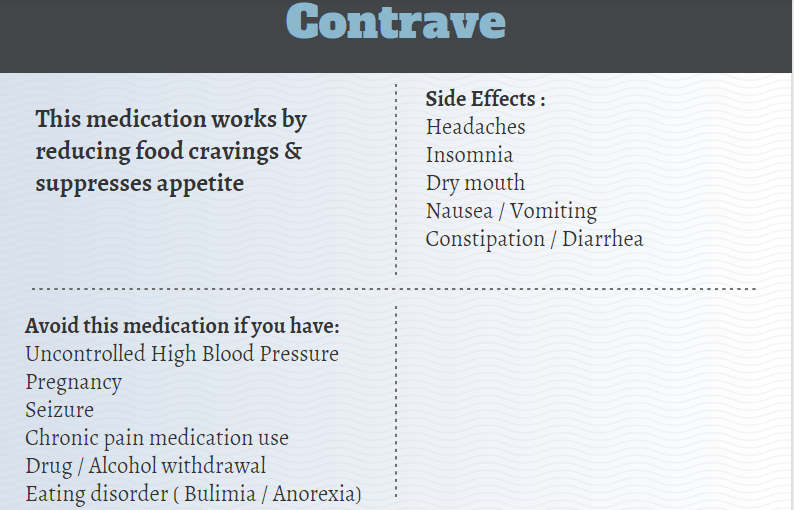
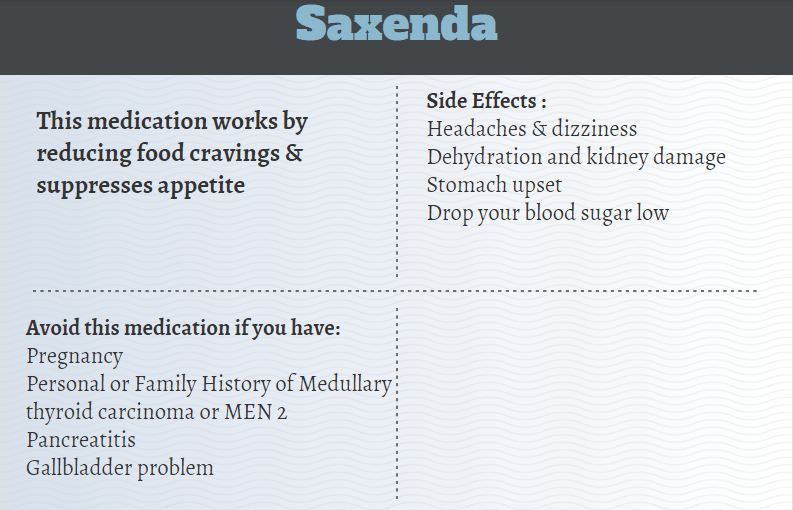
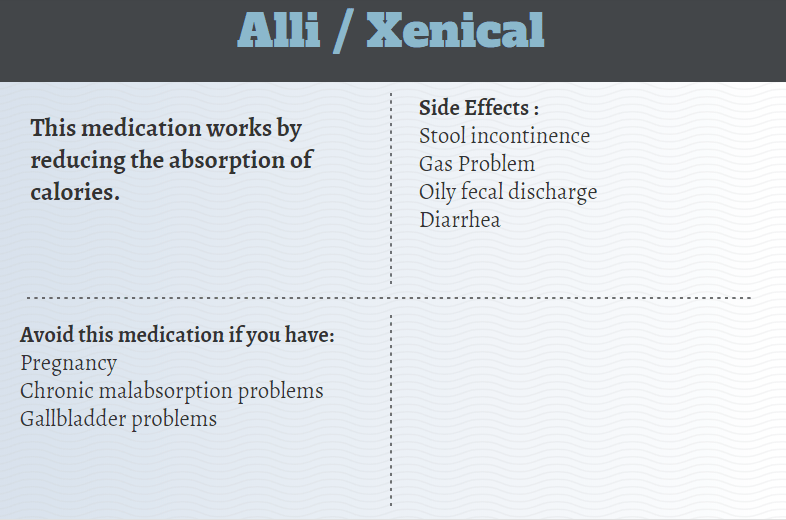
Medications alone is NEVER the answer for weight loss. If you think you can lose weight and maintain it just by taking 1 more medication, you will be disappointed very early. Medication gives a boost to help lose weight when you combine it with lifestyle modifications. Anything that you put in your body can give you some side effects. It is important to weigh the risks and the benefits prior to deciding the best option for you.

URINARY INCONTINENCE

Urinary incontinence is involuntary leakage of urine. It is a common problem that affects the quality of life of many women by causing increased depression and anxiety, Increased risk of urinary tract infections, increased risk of falls from frequent rushing to the bathroom and skin infections. Although it is mostly seen in Older women, younger women can experience symptoms as well.

Types of Urinary Incontinence

There are 2 main type of Urinary Incontinence in women. Stress Incontinence and Urge Incontinence. There are other less common types of incontinence such as over flow incontinence, mixed incontinence and functional incontinence.

Stress Incontinence

Stress incontinence happens when there is weakening of muscles in the pelvic floor and around the urethra causing it to leak urine when there is increased pressure. Activities such as laughing, sneezing and coughing increases the abdominal pressure leading to involuntary leakage of urine. It is Common among women who had one or more vaginal deliveries and Obese females.

  • Weight loss decreases the abdominal pressure and improves incontinence
  • Treating constipation also improves incontinence by reducing abdominal pressure
  • Smoking Cessation is known to improve incontinence
  • Pelvic floor exercises such as Kegel Exercises can strengthen the pelvic floor

If conservative management fails, you can discuss with your doctor about pessaries or other surgical options available.

Urge Incontinence

It is also known as overactive bladder problem. People with this condition feels the urge to urinate more frequently and may have involuntary leakage on the way to the bathroom. Frequency of urination is also increased and may have to wake up multiple times in the middle of the night to urinate.

Alcohol, Drugs and Caffeine are some of the substances that can contribute to urge incontinence.

  • Weight loss decreases the abdominal pressure and improves incontinence
  • Treating constipation also improves incontinence by reducing abdominal pressure
  • Avoiding Caffeine , alcohol and smoking cessation
  • Bladder training is the most beneficial conservative management for urge incontinence
  • Appropriate fluid intake by avoiding excessive fluid intake at night
  • Scheduled bathroom breaks to avoid involuntary urination
  • Kegel Exercises

If conservative management fails, you can discuss with your doctor about medications to reduce bladder spasms, other procedures such as Botox or other surgical options available.

Guide for Bladder Training

  • when you experience the urgency to urinate, remain still
  • Focus on reducing the urgency to urinate by distracting your self and relaxation techniques that work for you
  • Once the feeling of urgency is controlled walk slowly to the bathroom

Kegel Exercise

  • Kegel exercise is performed by contracting and relaxing the pelvic muscles.
  • Initially practice kegel exercises by holding the urine during urination and releasing it without using the abdomen, buttocks or thigh muscles.
  • When you contract the pelvic muscles hold the contractions for atleast 6 seconds before relaxing.
  • Once you practice to isolate pelvic muscle and perform the contraction and relaxation you can exercise three sets of 10 contraction 2-3 times a week .
  • Once you master the technique slowly increase the time of contraction from 6 seconds to at least 10 seconds.

VITAMIN B12 DEFICIENCY

Vitamin B12 is a water-soluble vitamin that can be acquired by eating fish, meat, dairy products, fortified cereals and supplements. It is important for neurological functions, Red blood cell production and for the synthesis of DNA. There is no need to screen for vitamin B12 deficiency in asymptomatic adults.

High risk population for Vitamin B12 deficiency

Medical conditions & Medication use

  • Pernicious Anemia
  • Chron’s disease
  • Postgastrectomy syndrome (Roux-en-Y gastric bypass)
  • Atrophic Gastritis
  • Bowel resection (Ileal resection)
  • long term use of Proton Pump Inhibitors for gastritis or GERD such as (Nexium, Protonix, Prilosec)
  • Long term use of anti histamines (Zantac, Famotidine) for Acid reflux
  • Metformin use (Diabetic medication)

Decreased Intake of Vitamin B12

  • Alcohol Abuse
  • Elderly patient (Tea & Toast diet )
  • Vegans or strict Vegetarians

Symptoms of Vitamin B12 deficiency

FOODS THAT ARE HIGH IN VITAMIN B 12

  • Chicken, Beef, Turkey
  • Organ meats such as liver
  • Fish , Shell Fish
  • Eggs
  • Fortified cereal
  • Milk, Yogurt, Cheese

Do you have Diabetes or Pre-Diabetes? Are you eating right?

Role of diet in diabetes

Diet plays a major role in the treatment of Diabetes In addition to medication . By making changes in the diet you will not only be able to bring your blood sugar under control but you will also be able to prevent long term complications such as kidney problem, heart problem and problems with vision. During my clinical experience I have seen many patients who brought their Hemoglobin A1C (blood sugar) under control and avoided the need to use insulin just by making healthy lifestyle choices and losing weight. Weight gain can cause increased insulin resistance and worsen Diabetes.  Most of the time people don’t realize that there are more food groups other than just sugars and desserts that are bad for a diabetic patient.  

What should your blood glucose levels be?  

Target Blood Glucose Levels for People with Diabetes Before meals should be between 70 mg/dl to 130 mg/dl. Postprandial or 1 to 2 hours after the start of a meal should be less than 180 mg/dl.  

what can you eat?

  • Lean proteins such as meats, eggs, legumes, fish, nuts and seeds provide building blocks for the most components in the body. Because they take time a long time to break down they keep us full longer so stop us reaching for quick sugary snacks. 
  • Healthy Fats such as fish, avocado, olive oil, nuts and seeds, eggs, coconut oil, butter and ghee increase satiety and balance blood glucose. 
  • Fiber from vegetables, seeds, nuts and legumes plays a big part in keeping you full (without loads of calories), supports detoxification and helps balance blood glucose by slowing the rush of sugar into your blood stream.  

How about carbohydrates (carbs) ?

Carbohydrate food group can be further divided based on the glycemic index.

Food with high Glycemic Index raises blood glucose more than food with a medium or low Glycemic index. If you are eating food with a high glycemic Index, you can combine it with low Glycemic Index foods to help balance the meal. 

Foods with High Glycemic Index

  • White bread or bagel 
  • Corn flakes, puffed rice, bran flakes, instant oatmeal 
  • white rice, rice pasta, macaroni and cheese from mix 
  • Russet potato, pumpkin 
  • Pretzels, rice cakes, popcorn, saltine crackers 
  • melons and pineapple 

FOODS WITH Medium GLYCEMIC INDEX

  • Whole wheat, rye and pita bread 
  • Quick oats 
  • Brown, wild or basmati rice, couscous 

FOODS WITH low GLYCEMIC INDEX

  • Pumpernickel bread 
  • Oatmeal (rolled or steel-cut), oat bran, muesli 
  • Pasta, converted rice, barley 
  • Sweet potato, corn, yam, lima/butter beans, peas, legumes and lentils 
  • Most fruits, non-starchy vegetables and carrots 

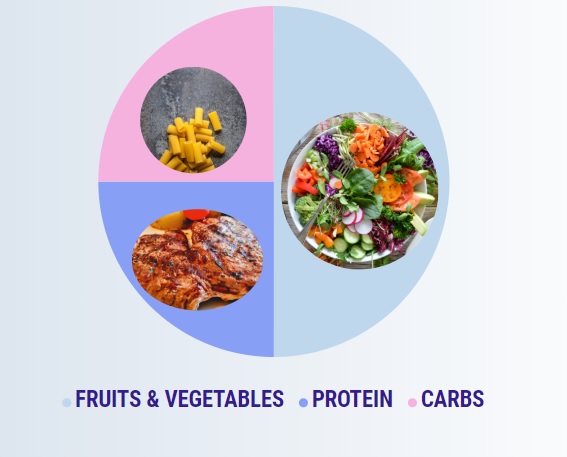
Ideal Diabetic Plate 

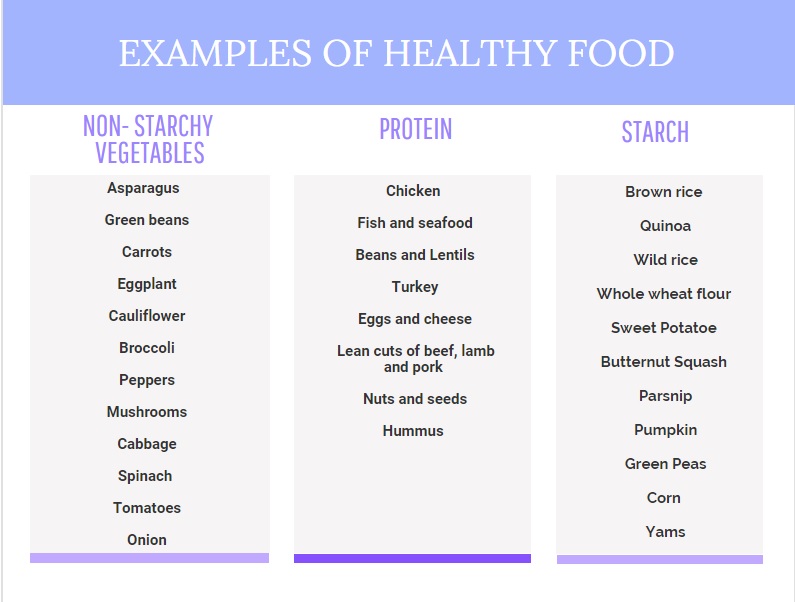
  • Half the plate should contain non-starchy vegetables, like salad, green beans, broccoli, cauliflower, cabbage, and carrots. 
  • 1/4th of the plate should contain a grain or starchy food such as bread, noodles, rice, corn or potatoes. 
  • Other 1/4th of the plate should contain protein, like fish, chicken, lean beef, tofu, or cooked dried beans. 

What can you drink? 

  • Water, Water, Water!! There is nothing as good as water.  
  • If you’re tired of drinking just water you can either try the sparkling water to get carbonated flavor or try adding the flavor packs (they are very low in calories 5-10 calories).  
  • Even better you can make homemade infused water with your favorite fruit flavors. To make infused water, simply put water in the fridge with cucumbers, strawberries, fresh mint for a refreshing low-calorie drink. 
  • If you drink milk choose low-fat 1% or fat-free milk 
  • If you absolutely have to drink pop or soda, Diet pop or diet soda is a good alternative to regular soda.  
  • Naturally derived sweeteners, stevia (Truvia, PureVia) and agave nectar, offer other sweetening options.  

What should you be avoiding? 

  • Saturated fats. High-fat dairy products and animal proteins such as beef, hot dogs, sausage and bacon contain saturated fats. 
  • Trans fats. These types of fats are found in processed snacks, baked goods, shortening and stick margarines. Avoid these items. 
  • Bad Cholesterol. Sources of cholesterol include high-fat dairy products and high-fat animal proteins, egg yolks, liver, and other organ meats.  
  • Sodium. Aim for less than 2,000 mg of sodium a day.  
  • Unhealthy sugars. Avoid pop, sugary juices, deserts that are high in sugar 

Tips and strategies for meal planning

  • Eating small frequent meals can avoid hypoglycemic episodes in addition to overeating the next meal 
  • Check food labels to help you make smarter choices 
  • Plan meals ahead and avoid picking meals last minute to satisfy your hunger  
  • Remember to stop eating when you start feeling full 
  • Replace fried foods with steamed or grilled foods 
  • Replace desserts with fresh fruits  
  • Watch your portion sizes  
  • If you chose to drink, drink in moderation (less than 2 drinks/day for men and 1 drink for women) 
  • Remove the skin from chicken or turkey to avoid excess fat  

Resource Links 

ACID REFLUX

Acid reflux is when the acid that is normally in your stomach backs up into the esophagus (tube that carries food from your mouth to your stomach). It is also known as Gastroesophageal Reflux disease or GERD.

sYMPTOMS OF ACID REFLUX

  • Burning sensation in the chest (heart burn) 
  • Cough 
  • Burning in the throat or an acid taste in the throat 
  • Stomach pain 
  • Trouble swallowing 
  • sore throat or hoarseness 
  • Recurrent lung infection 

Behavioral modifications TO MANAGE Acid Reflux

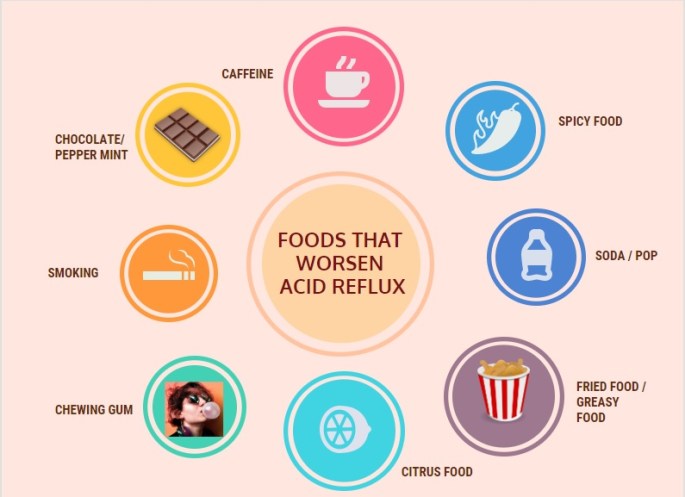
  • Avoid certain food and beverages such as caffeine, peppermint, spicy food, greasy food, chocolate, Soda, pepper, citrus food, chewing gum and alcohol   
  • Avoid smoking 
  • If you’re overweight, losing weight can help control acid reflux symptoms 
  • Avoid medications such as ibuprofen (also known as Motrin / Advil), Aspirin
  • Avoid going to bed soon after eating (avoid going to bed at least 3 hrs. after eating), when going to bed elevate the head of the bed by 6 to 8 inch  
  • Avoid tight fitting clothes  

MEDICAL MANAGEMENT OF ACID REFLUX

  • Over the counter antacids such as Tums can neutralize the stomach acid and provide relief 
  • For persistent symptoms your doctor can prescribe antihistamines such as Zantac or Pepcid or Proton pump inhibitor such as Prilosec / Nexium / Protonix 
  • Proton pump inhibitors are the most effective medications in the treatment of GERD, however they also contain a lot of adverse effects. When taken for a long time it can cause bone loss, it can increase certain infections.

What if symptoms persist despite medication and behavioral modifications? 

If the symptoms persist despite medications and behavioral modifications or if you experience unintentional weight loss, feeling of food getting stuck, vomiting blood or blood in stool your doctor will order Endoscopy to rule out more serious medical conditions.  

An upper endoscopy is commonly used to evaluate the esophagus. A small, flexible tube is passed into the esophagus, stomach, and small intestine. The tube has a light source and a camera that displays magnified images. Damage to the lining of these structures can be evaluated and a small sample of tissue (biopsy) can be taken to determine the extent of tissue damage. 

complications of long term uncontrolled GERD

  • Ulcer – Ulcers can form in the esophagus as a result of burning from stomach acid.  
  • Stricture –  Damage from acid can cause the esophagus to scar and narrow, causing a blockage (stricture) that can cause food or pills to get stuck in the esophagus. 
  • Barret’s Esophagus – During repeated exposure of stomach acid in the esophagus there is a risk of esophagus lining (squamous cells) to change into a different type of cell (intestinal cell). This change has a potential to develop into cancer cells 
  • Esophageal cancer  

Cervical Cancer Screening

Pap test is used to screen for early signs of cervical cancer. Globally, cervical cancer accounted for an estimated 528,000 new cancer cases worldwide and for 266,000 deaths in 2012. Cervical cancer is the third most common cancer diagnosis and cause of death among gynecologic cancers in the United States. In the United States, almost 13,000 new cases of invasive cervical cancer and approximately 4100 cancer-related deaths occur each year.  

Risk Factors for Cervical Cancer

  • Early onset of sexual activity  
  • Multiple sexual partners 
  • A high-risk sexual partner (ex, a partner with multiple sexual partners or known HPV infection) 
  • History of sexually transmitted infections (ex, Chlamydia infection, genital herpes) 
  • History of vulvar or vaginal neoplasia or cancer (HPV infection is also the etiology of most cases of these conditions) 
  • Immunesuppression (ex, human immunodeficiency virus infection – HIV) 
  • Smoking  

What is a Pap test? 

To do a Pap test, your doctor will push apart the walls of your vagina using a device called a speculum. Then, your doctor will use a small tool to gently scrape cells from your cervix. This process can be uncomfortable but should not hurt. Taking deep breath and trying not to clench the vaginal muscles will help ease the process. The pathologist will then look at the cells under a microscope to see if they are abnormal. 

When should a woman start having Pap tests? 

Women should start having Pap tests when they turn 21. They do not need to be sexually active before they start getting Pap tests. Until 30 years of age pap test is performed every 3 years as long as the results are within normal limits. When they turn 30, their doctors might also suggest doing another test to check for cervical cancer, called an HPV test. When pap test is combined with HPV test it increases the accuracy and therefore can be repeated every 5 years if the results are normal.  

Women age 65 and older should stop having Pap tests if they meet all of these requirements: 

  • They have never smoked. 
  • They do not have a new sex partner since their last Pap test. 
  • They had Pap tests done regularly until they turned 65. 
  • They had 3 normal Pap tests in a row. 
  • They had no abnormal Pap tests in the past 10 years. 

Do you need to get Pap tests if you had the HPV vaccine? 

Yes. You still need to get Pap tests if you got the HPV vaccine.  Getting the HPV vaccine reduces your chances of getting cervical cancer since the virus that causes the cervical cancer is HPV. But it does not completely protect you. You still need to have pap test to check for cancer. 

Do you need to get Pap tests if you had a hysterectomy?  

There are two types of Hysterectomy, complete and partial. Cervix is removed along with the uterus in complete hysterectomy and in that case, you will no longer need pap test as long as there are no abnormal pap test in the past. However, if you have partial Hysterectomy with the cervix intact, you still need pap test.  

What can you do to prevent Cervical cancer?  

  • Avoid Smoking 
  • Avoid Multiple sexual partners
  • Get HPV Vaccine if you are in the age range
  • Get tested for HPV and cervical abnormality
  • Use Condom for sexual intercourse


MEDICATIONS TO AVOID OR USE IT WITH CAUTION IN OLDER ADULTS

Every medication has benefits and side effects. When side effects outweighs the benefits the same medication that is used to help patients can become harmful. Many older adults have multiple chronic medical problems and have to take more than one medication. Interactions between different medications can worsen the side effects.

In addition when we get older our body go through changes which causes problems with absorption , metabolism and elimination of the medication. Because of that normal dose of medication can cause overdose and cause harm. Even over the counter medications must be used with caution in older adults.

Photo by Pixabay on Pexels.com

NSAIDS (Ibuprofen, Motrin, Advil)

  • NSAIDS are used to reduce inflammation and pain.
  • When using regularly for long term it can cause ulcer and bleeding in the stomach
  • It can also increase blood pressure, worsen your kidney function and heart failure
  • If you cannot find an alternate medication, talk to your doctor to avoid harmful consequences.

Certain Diabetic Medication (Glyburide, Short acting insulin)

  • Certain diabetic medication such as Glyburide should be avoided in elderly people, since it can drop your blood sugar to a dangerously low level.
  • Low blood pressure is dangerous since it can increase the risk of fall, cause coma or even death.
  • If you are currently taking this medication, do not stop without consulting a physician. Talk to you doctor to see if there is an alternate medication to control your blood sugar.

Muscle Relaxant

Photo by rawpixel.com on Pexels.com
  • Certain Muscle relaxant such as cyclobenzaprine (Flexeril), methocarbamol (Robaxin), carisoprodol (Soma) can be dangerous in older patients
  • Muscle relaxants are used for pain relief
  • These medications can make you confused, cause drowsiness and increase the risk of fall in older adults
  • They can also cause constipation, dry mouth, and problems urinating

Anxiety & Sleep Medications

  • Medications such as benzodiazepine (Xanax, Valium, Ativan) and sleep aids such as Zolpidem (Ambien) and Zaleplon can cause more harm than benefit in older adults.
  • These medications can make you confused, cause drowsiness and increase the risk of fall in older adults
  • In higher doses they can even cause you stop breathing by suppressing the respiratory drive.

Anticholinergic Medications

  • Medications such as Bentyl (Dicyclomine) for Irritable bowel syndrome or certain antidepressants such as Amitriptyline needs to be used with caution in Elderly.
  • They can cause confusion, constipation, dry mouth, blurry vision, and problems urinating 

Blood Thinners

  • Blood Thinners such as Warfarin, Eliquis, Lovenox , Apixaban are used for DVT, Pulmonary embolism or for patients with Atrial Fibrillation to avoid blood clots.
  • Since Elderly people are at high risk for Fall, it can increase internal bleeding by thinning the blood.
  • If you are taking blood thinners do not stop without talking to your Doctor.
  • Talk to your Doctor to see the risks and benefits and to keep a close look on the medication level.

OVER THE counter medications (OTC)

  • OTC medications that contain antihistamin such as sleep aids , cough syrups and allergy medications can cause confusion, blurred vision, constipation, problems urinating, dry mouth and fall.

Gastrointestinal medications

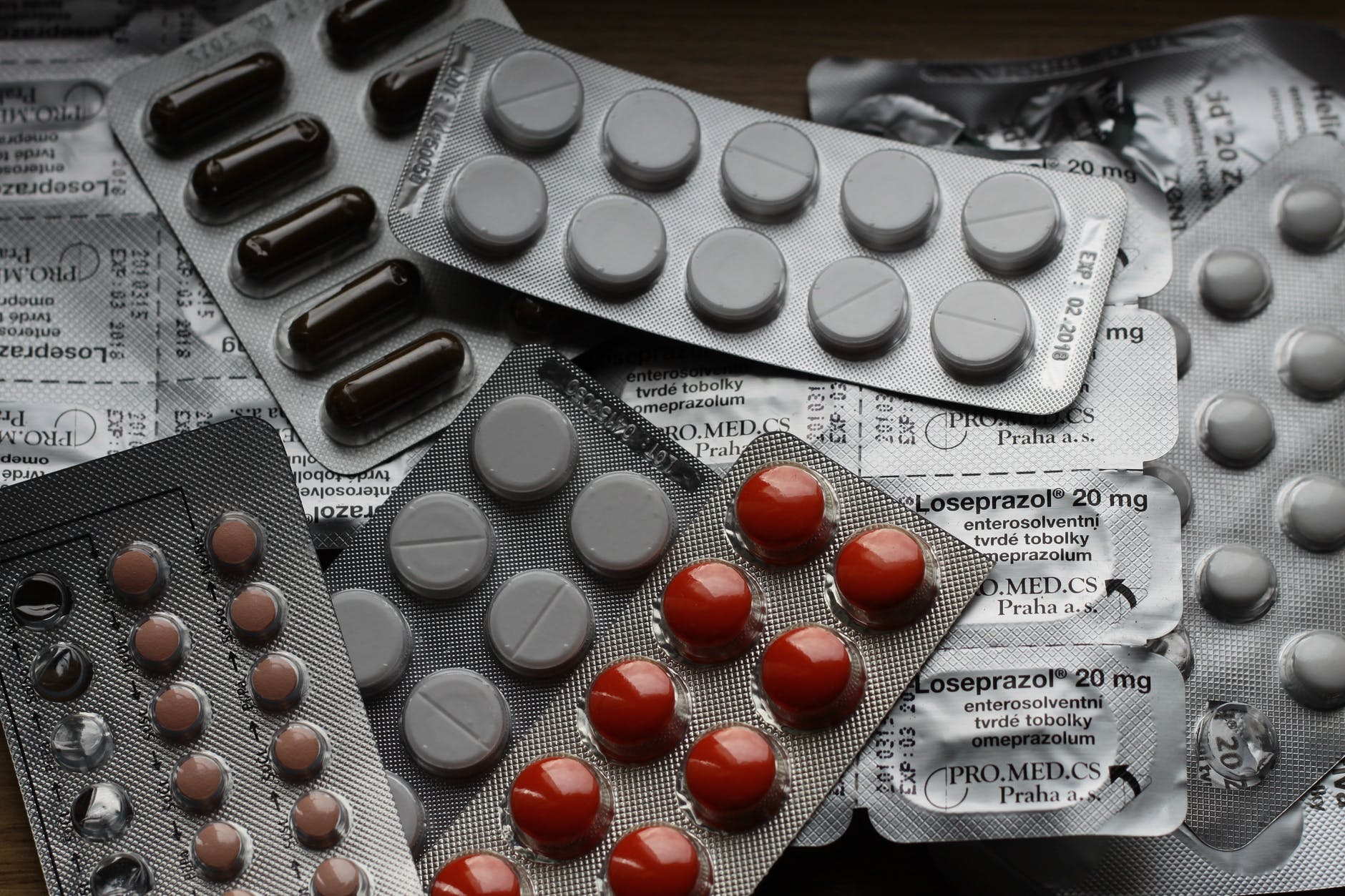
  • Long term use of Proton Pump inhibitors such as Omeprazole (Prilosec), Pantoprazole (Protonix), Esomoprazole (Nexium) for Acid reflux or stomach ulcer can cause bone loss and lead to high risk of fractures

ORGAN DONATION

  • Every 10 minutes a person is added to the Transplant waiting list
  • More than 100,000 patients were listed on the transplant waiting list in USA as of 2019
  • 20 people die each day waiting for a transplant
  • Every day about 80 people receive organ transplant in USA

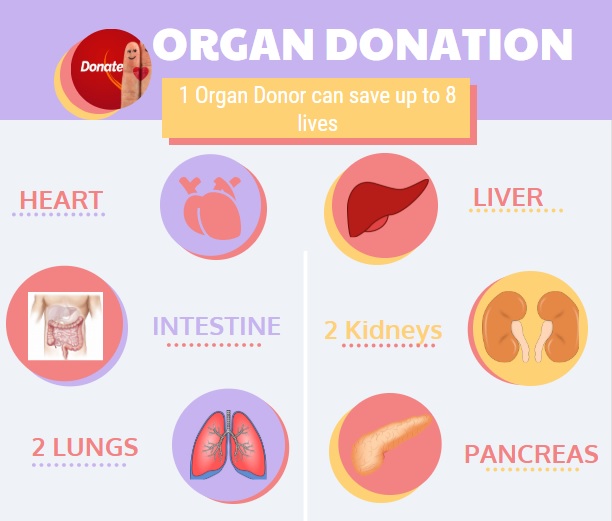
Do you know that 1 organ donor can save up to 8 lives !

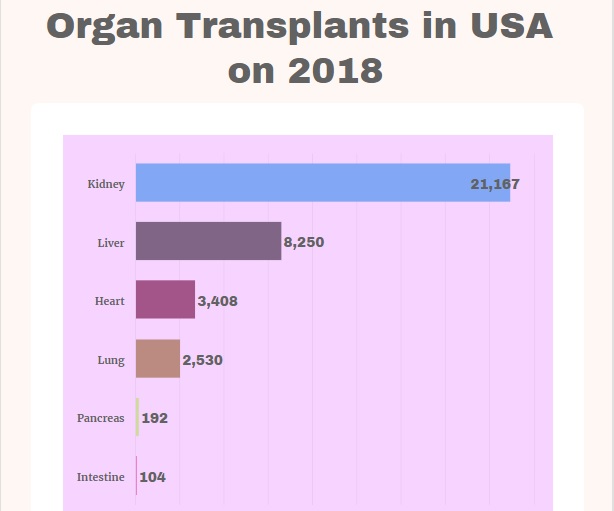
Organ Transplantation performed in USA in the Year of 2018

most common questions about Organ donation

What if i have a medical condition that prevents me from being an organ donor?

Anyone with any medical condition can sign up to be an organ donor. Transplant team and the physician will be able to determine if your medical condition allows the transplant to happen or not at the time of the transplant.

Will the medical provider stop providing necessary treatment for me if they notice that i am an organ donor?

No. Every medical providers primary goal is to save your life. Every lifesaving measures will be tried to save your life. You will be considered as a potential organ donor only if all life saving measures have been tried and failed. Being an organ donor will never affect the quality of care you receive.

Who will be receiving my organs?

There are lot of factors that contribute in deciding who is a match to receive your organs. There is a FDA regulated National data base system that keeps a record of donors and recipients and helps identify the correct match.

How to sign up to be an Organ donor

In USA

In Canada

  • You can sign up at any Service Ontario locations
  • You can also signup online by clicking on this link https://beadonor.ca/

Why is having an Advance Directive for Health Care important?

Photo by Tristan Le on Pexels.com

Many of us do not think about unpleasant, difficult situations when things are going well. However what we often fail to think about is that unexpected situations can happen anytime in life. As a medical professional, I have seen many young healthy adults with no medical problems get into an accident or get affected by unexpected health problems  which affects their quality of life. In such situations we might not be in a state to be able to choose or make medical decisions. I have seen patients breathing on ventilators and surviving on tube feedings for years without any quality of life

Families and loved ones often face a hard time to make a decision, especially difficult decisions.They often feel guilty to decide that its time to stop medical management even when they realise that the prognosis is poor. 

Photo by rawpixel.com on Pexels.com

We all have different preferences and wishes in life and having a living will or durable power of attorney helps medical professionals to respect your wishes and provide the care you wanted and it ease the burden on your loved ones. 

What is a Living Will ? 

Living will is a written document that states your wishes on how you want to be cared if you are unable to make decisions. It includes topics such as resuscitation, breathing with the help of the ventilator, tube feedings and treatments that you do not want to receive. This document helps your medical provider to decide how they should approach your treatment. Being specific as possible helps with providing your desired treatment.

Photo by Pixabay on Pexels.com

What is a Medical Power of Attorney ?

The durable power of attorney (DPOA) for health care document states the person you would want to make medical decisions for you, when you are not able to make decisions for yourself. This person should be some one you trust and they should be aware of your wishes and values. Although living will is a great way to express your wishes , it cannot cover every circumstances. This is where having a DPOA in addition to having a living will can be helpful. 

Can you change a living will?

You can cancel or make changes to your living will at any time as long as you can think rationally and can communicate your wishes. When you make changes you should sign and notarize the document to make it legal. 

Important topics to discuss in your living will

Do Not Resuscitate (DNR)

Photo by rawpixel.com on Pexels.com

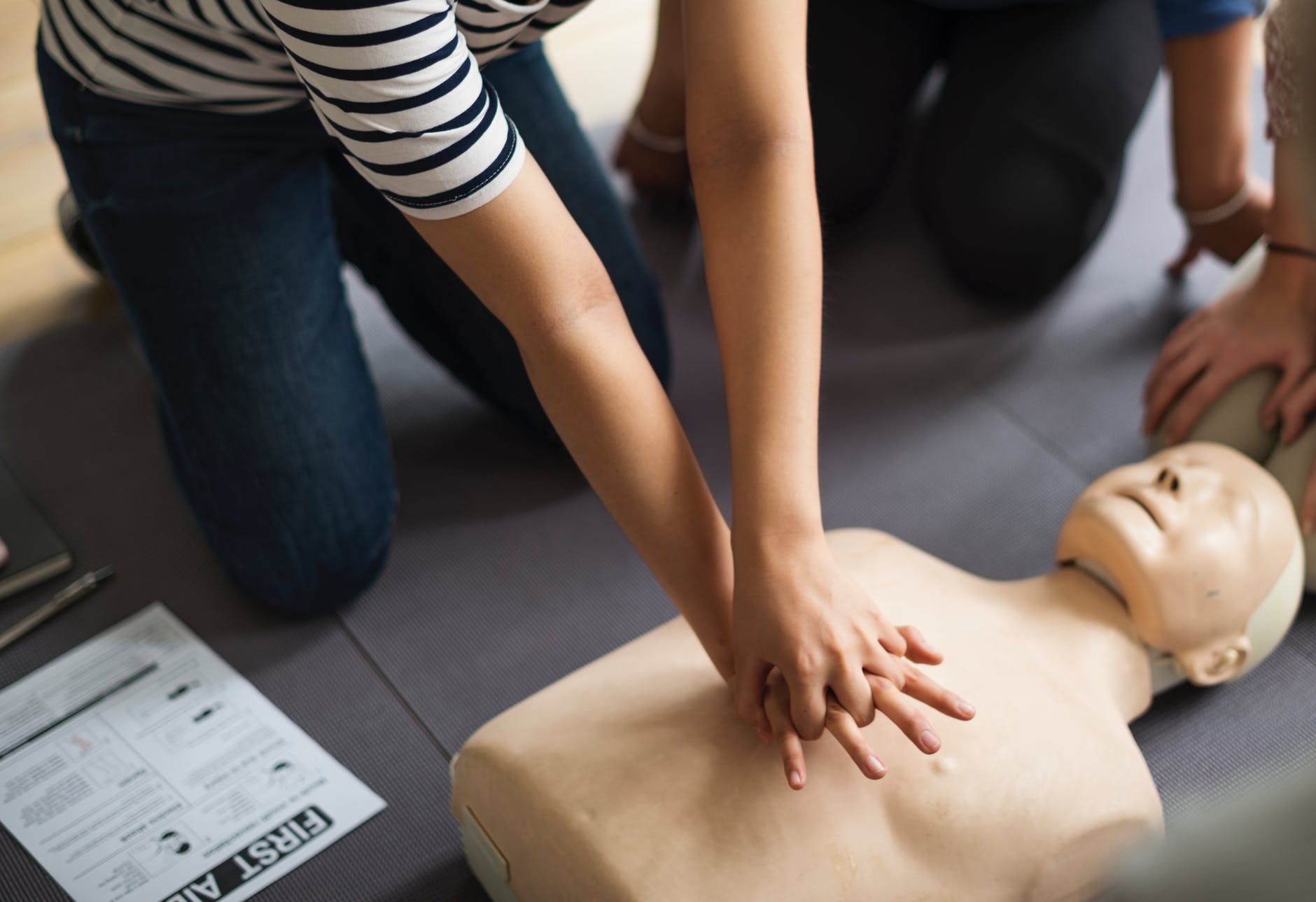
If you happen to experience a situation where your heart stops beating or you stop breathing, medical professionals will perform cardiopulmonary resuscitation (CPR) where they will do chest compression and use medications to restart it. DNR is an order stating that you do not prefer life saving CPR or resuscitation measures. 

Do Not Intubate 

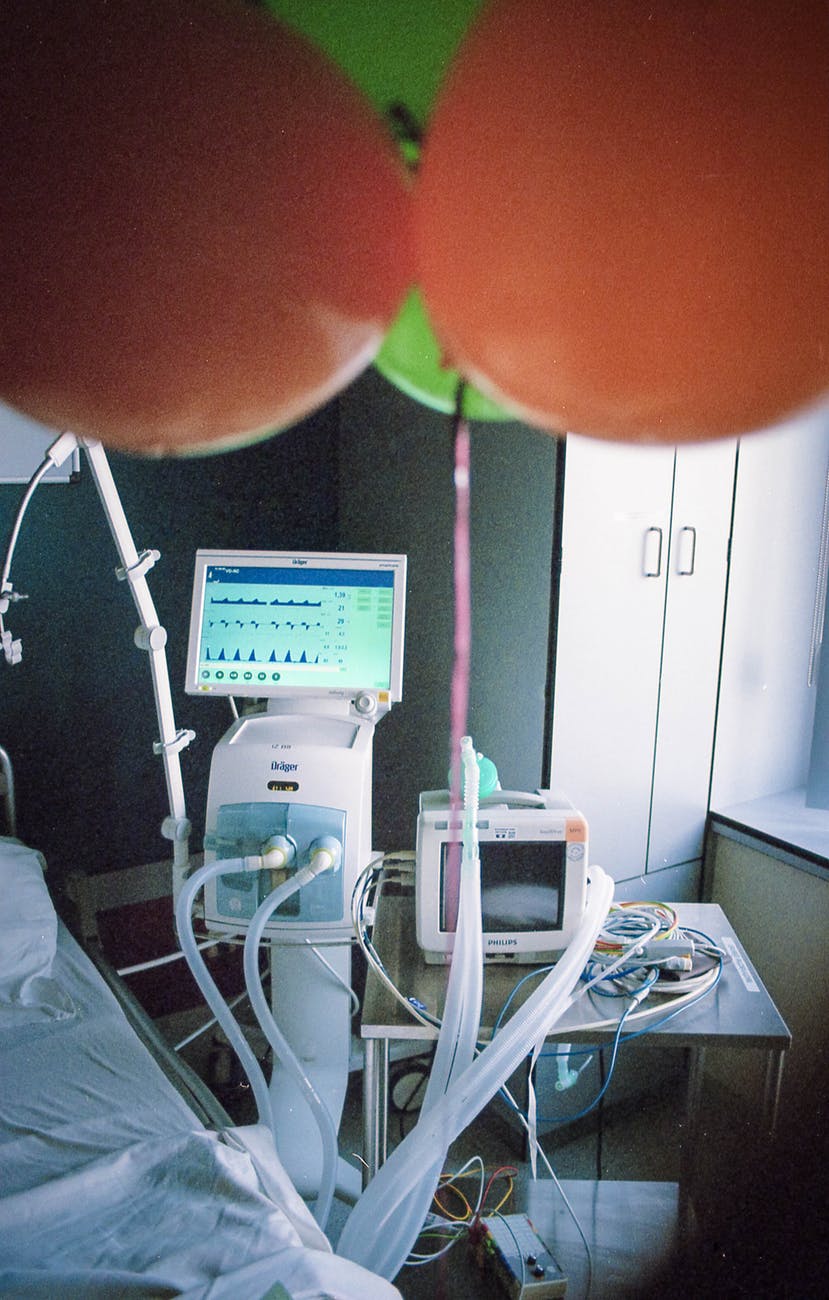
If you experience difficulty in breathing and if symptoms does not improve with less invasive measures the next step is to intubate and connect it to a machine to help you breath. Intubation is the placement of a tube into the  mouth in order to have it enter your windpipe to help you breathe. Intubation can be performed in many cases and most of them are temporary, however in some situations they can be intubated and connected to a ventilator for months to years. Some of the temporary situations include, during surgery under anesthesia, during CPR or when some one is experiencing short term loss of consciousness such as an acute intoxication. Long term intubation will be required if you have a severe lung problem or multiple comorbidities which increase the complications. You will be able to mention specific scenarios in which you do not want to be intubated ( such as long term mechanical ventilation) in your living will. 

Tube Feeding 

Photo by Daan Stevens on Pexels.com

If you are in a state where you are unconscious or unable to eat  Artificial nutrients and fluids can be given via tube feeding. Sometimes people can survive for years with tube feedings and mechanical ventilation. However when some one with a serious life threatening illness stops eating or drinking, it is sign that the body is beginning to stop functioning.

How can you prepare an advanced directive / Living will ?

You do not need a lawyer to fill out a living will or DPOA. Your medical doctor will be able to help you fill out your wishes and answer any questions to help you make the best decisions. Your doctors office or public health department in your state or hospitals will be able to provide you with the required form. 

Resources